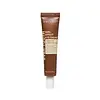
This anti-aging eye moisturizer is formulated around Niacinamide and Adenosine to soften the look of wrinkles and refine skin texture.
This anti-aging eye moisturizer is formulated around Caffeine and Palmitoyl Tetrapeptide-7 to soften the look of wrinkles.


What's inside
What's inside
 Key Ingredients
Benefits
Concerns
Ingredients Side-by-side
Water
Skin ConditioningMagnesium Aluminum Silicate
Absorbent
Sodium Silicate
BufferingCitric Acid
Buffering


1,2-Hexanediol
Skin Conditioning
Niacinamide
Smoothing









Dipropylene Glycol
HumectantPvp
Emulsion StabilisingCalcium Silicate
AbsorbentAdenosine
Skin Conditioning
Hydrolyzed Sponge
Skin ConditioningButylene Glycol
Humectant
Pinus Palustris Leaf Extract
TonicUlmus Davidiana Root Extract
Skin Conditioning
Oenothera Biennis Flower Extract
AstringentPueraria Lobata Root Extract
HumectantHouttuynia Cordata Extract
Skin Conditioning
Xanthan Gum
EmulsifyingPentylene Glycol
Skin Conditioning
Sodium Hyaluronate
Humectant
Sodium Hyaluronate Crosspolymer
Humectant
Hydrolyzed Hyaluronic Acid
Humectant
Hyaluronic Acid
Humectant
Hydrolyzed Sodium Hyaluronate
Skin Conditioning
Ceramide EOP
Skin Conditioning
Ceramide Ns
Skin Conditioning
Ceramide NP
Skin Conditioning
Ceramide As
Skin Conditioning
Ceramide AP
Skin Conditioning
Cholesterol
Emollient
Hydrogenated Lecithin
Emulsifying
Cetearyl Alcohol
Emollient





Stearic Acid
Cleansing
Phytosphingosine
Skin Conditioning
Sh-Oligopeptide-1
Skin Conditioning
Water, Magnesium Aluminum Silicate, Sodium Silicate, Citric Acid, 1,2-Hexanediol, Niacinamide, Dipropylene Glycol, Pvp, Calcium Silicate, Adenosine, Hydrolyzed Sponge, Butylene Glycol, Pinus Palustris Leaf Extract, Ulmus Davidiana Root Extract, Oenothera Biennis Flower Extract, Pueraria Lobata Root Extract, Houttuynia Cordata Extract, Xanthan Gum, Pentylene Glycol, Sodium Hyaluronate, Sodium Hyaluronate Crosspolymer, Hydrolyzed Hyaluronic Acid, Hyaluronic Acid, Hydrolyzed Sodium Hyaluronate, Ceramide EOP, Ceramide Ns, Ceramide NP, Ceramide As, Ceramide AP, Cholesterol, Hydrogenated Lecithin, Cetearyl Alcohol, Stearic Acid, Phytosphingosine, Sh-Oligopeptide-1
Water
Skin ConditioningGlycerin
Humectant
Dicaprylyl Carbonate
EmollientPropanediol
Solvent
Polyglyceryl-6 Distearate
Emulsifying
Cetyl Alcohol
Emollient
Glyceryl Behenate
Emollient
Phenoxyethanol
Preservative
Hydroxyethyl Acrylate/Sodium Acryloyldimethyl Taurate Copolymer
Emulsion StabilisingJojoba Esters
Emollient
Albizia Julibrissin Bark Extract
MaskingSqualane
Emollient
Caffeine
Skin Conditioning
Polyglyceryl-3 Beeswax
Emulsifying
Phospholipids
Skin Conditioning
Ethylhexylglycerin
Skin ConditioningXanthan Gum
EmulsifyingGlycine Soja Oil
Emollient
Polysorbate 60
Emulsifying
Sodium Phytate
Glycolipids
Skin ConditioningSorbitan Isostearate
Emulsifying
Butylene Glycol
Humectant
Citric Acid
Buffering
Glycine Soja Sterols
Emollient
Leuconostoc/Radish Root Ferment Filtrate
Antimicrobial
Hyaluronic Acid
Humectant
Sodium Benzoate
Masking
Tocopherol
Antioxidant

Carbomer
Emulsion StabilisingDarutoside
Skin ConditioningSodium Lactate
Buffering
Polysorbate 20
Emulsifying
Palmitoyl Tetrapeptide-7
Skin Conditioning
Palmitoyl Tripeptide-1
Skin Conditioning
Water, Glycerin, Dicaprylyl Carbonate, Propanediol, Polyglyceryl-6 Distearate, Cetyl Alcohol, Glyceryl Behenate, Phenoxyethanol, Hydroxyethyl Acrylate/Sodium Acryloyldimethyl Taurate Copolymer, Jojoba Esters, Albizia Julibrissin Bark Extract, Squalane, Caffeine, Polyglyceryl-3 Beeswax, Phospholipids, Ethylhexylglycerin, Xanthan Gum, Glycine Soja Oil, Polysorbate 60, Sodium Phytate, Glycolipids, Sorbitan Isostearate, Butylene Glycol, Citric Acid, Glycine Soja Sterols, Leuconostoc/Radish Root Ferment Filtrate, Hyaluronic Acid, Sodium Benzoate, Tocopherol, Carbomer, Darutoside, Sodium Lactate, Polysorbate 20, Palmitoyl Tetrapeptide-7, Palmitoyl Tripeptide-1
Reviews
Ingredients Explained
These ingredients are found in both products.
Ingredients higher up in an ingredient list are typically present in a larger amount.
Butylene Glycol (or BG) is used within cosmetic products for a few different reasons:
Overall, Butylene Glycol is a safe and well-rounded ingredient that works well with other ingredients.
Though this ingredient works well with most skin types, some people with sensitive skin may experience a reaction such as allergic rashes, closed comedones, or itchiness.
Learn more about Butylene GlycolCitric Acid is an alpha hydroxy acid (AHA) naturally found in citrus fruits like oranges, lemons, and limes.
Like other AHAs, citric acid can exfoliate skin by breaking down the bonds that hold dead skin cells together. This helps reveal smoother and brighter skin underneath.
However, this exfoliating effect only happens at high concentrations (20%) which can be hard to find in cosmetic products.
Due to this, citric acid is usually included in small amounts as a pH adjuster. This helps keep products slightly more acidic and compatible with skin's natural pH.
In skincare formulas, citric acid can:
While it can provide some skin benefits, research shows lactic acid and glycolic acid are generally more effective and less irritating exfoliants.
Most citric acid used in skincare today is made by fermenting sugars (usually from molasses). This synthetic version is identical to the natural citrus form but easier to stabilize and use in formulations.
Read more about some other popular AHA's here:
Learn more about Citric AcidHyaluronic acid (HA) is a glycosaminoglycan (basically a long sugar chain) that your skin already makes on its own. In your skin, HA lives in the extracellular matrix and acts as the body's moisture reservoir.
Topically, HA is a humectant that binds water and helps skin look more plump, smooth, and hydrated.
The only catch is that HA isn't a single thing; it actually comes in a wide range of molecular weights (~50 - 2,000+ kDA) and size matters.
Some clinical evidence links low molecular weight versions to improved wrinkle depth, elasticity, anti-inflammatory effects, and barrier repair.
This is why the best HA serums blend the two sizes together so you get the best of both worlds.
The majority of cosmetic HA is produced by bacterial fermentation, typically using Streptococcus or Bacillus strains. Typical use levels in skincare sit around 0.1-2%.
A clinical study using a 0.2% low-molecular weight HA gel showed improvement in facial seborrheic dermatitis with excellent tolerance.
These are some other common types of Hyaluronic Acid:
Learn more about Hyaluronic AcidWater. It's the most common cosmetic ingredient of all. You'll usually see it at the top of ingredient lists, meaning that it makes up the largest part of the product.
So why is it so popular? Water most often acts as a solvent - this means that it helps dissolve other ingredients into the formulation.
You'll also recognize water as that liquid we all need to stay alive. If you see this, drink a glass of water. Remember to stay hydrated!
Learn more about WaterXanthan gum is used as a stabilizer and thickener within cosmetic products. It helps give products a sticky, thick feeling - preventing them from being too runny.
On the technical side of things, xanthan gum is a polysaccharide - a combination consisting of multiple sugar molecules bonded together.
Xanthan gum is a pretty common and great ingredient. It is a natural, non-toxic, non-irritating ingredient that is also commonly used in food products.
Learn more about Xanthan Gum

