

What's inside
What's inside
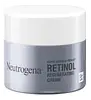 Key Ingredients
Benefits
Concerns
Ingredients Side-by-side
Water
Skin ConditioningPentaerythrityl Tetraethylhexanoate
Emollient
Glycerin
Humectant

Dimethicone
Emollient
PPG-15 Stearyl Ether
EmollientStearyl Alcohol
Emollient

Cetearyl Alcohol
Emollient


Butylene Glycol
Humectant
Glyceryl Behenate
Emollient
Ceteareth-20
CleansingIsohexadecane
EmollientDimethicone Crosspolymer
Emulsion Stabilising
Cyclopentasiloxane
Emollient
Cellulose
Absorbent
Sodium Polyacrylate
Absorbent
Phenoxyethanol
Preservative
Caprylyl Glycol
Emollient
Sodium Acryloyldimethyltaurate/Vp Crosspolymer
Emulsion StabilisingPolyacrylamide
C13-14 Isoparaffin
Emollient
Chlorphenesin
Antimicrobial
Polysorbate 20
Emulsifying
Hydrolyzed Myrtus Communis Leaf Extract
Skin ProtectingRetinol
Skin Conditioning







BHT
Antioxidant
Sodium Hyaluronate
Humectant

Disodium EDTA
Sodium Hydroxide
BufferingLaureth-7
EmulsifyingAscorbic Acid
Antioxidant
Water, Pentaerythrityl Tetraethylhexanoate, Glycerin, Dimethicone, PPG-15 Stearyl Ether, Stearyl Alcohol, Cetearyl Alcohol, Butylene Glycol, Glyceryl Behenate, Ceteareth-20, Isohexadecane, Dimethicone Crosspolymer, Cyclopentasiloxane, Cellulose, Sodium Polyacrylate, Phenoxyethanol, Caprylyl Glycol, Sodium Acryloyldimethyltaurate/Vp Crosspolymer, Polyacrylamide, C13-14 Isoparaffin, Chlorphenesin, Polysorbate 20, Hydrolyzed Myrtus Communis Leaf Extract, Retinol, BHT, Sodium Hyaluronate, Disodium EDTA, Sodium Hydroxide, Laureth-7, Ascorbic Acid
Water
Skin ConditioningCaprylic/Capric Triglyceride
Masking
Glycerin
Humectant
Octyldodecanol
Emollient
C12-16 Alcohols
EmollientSqualane
Emollient
Propanediol
Solvent
Glycine Soja Oil
Emollient

Butyrospermum Parkii Butter
Skin Conditioning
Ectoin
Skin Conditioning
Helianthus Annuus Hybrid Oil
Emollient
Palmitic Acid
Emollient
Myristyl Alcohol
Emollient
PCA
Humectant
Hydrogenated Lecithin
Emulsifying
Xanthan Gum
EmulsifyingPotassium Sorbate
Preservative
Carbomer
Emulsion StabilisingSodium Stearoyl Glutamate
CleansingSodium Benzoate
Masking
Helianthus Annuus Seed Oil
Emollient
Tocopherol
Antioxidant
Citric Acid
Buffering
Zinc PCA
Humectant
Maltodextrin
Absorbent
Retinol
Skin Conditioning
Hydrolyzed Rice Protein
Skin ConditioningPanthenol
Skin Conditioning
Totarol
Antioxidant
Leptospermum Scoparium Branch/Leaf Oil
Tonic
Niacinamide
Smoothing
Sodium Hydroxide
BufferingCalcium Pantothenate
Sodium Starch Octenylsuccinate
AbsorbentMagnolia Officinalis Bark Extract
Antimicrobial
Piper Nigrum Seed Extract
RefreshingTocopheryl Acetate
Antioxidant
Camellia Sinensis Leaf Extract
Antimicrobial
Polygonum Cuspidatum Root Extract
Antioxidant
Sodium Ascorbyl Phosphate
Antioxidant
Pyridoxine Hcl
Skin ConditioningAlanyl Glutamine
HumectantArginine
Masking
Oligopeptide-177

Phenylalanine
Masking
Sisymbrium Irio Seed Oil
Masking
Sodium Chloride
MaskingSilica
Abrasive
Water, Caprylic/Capric Triglyceride, Glycerin, Octyldodecanol, C12-16 Alcohols, Squalane, Propanediol, Glycine Soja Oil, Butyrospermum Parkii Butter, Ectoin, Helianthus Annuus Hybrid Oil, Palmitic Acid, Myristyl Alcohol, PCA, Hydrogenated Lecithin, Xanthan Gum, Potassium Sorbate, Carbomer, Sodium Stearoyl Glutamate, Sodium Benzoate, Helianthus Annuus Seed Oil, Tocopherol, Citric Acid, Zinc PCA, Maltodextrin, Retinol, Hydrolyzed Rice Protein, Panthenol, Totarol, Leptospermum Scoparium Branch/Leaf Oil, Niacinamide, Sodium Hydroxide, Calcium Pantothenate, Sodium Starch Octenylsuccinate, Magnolia Officinalis Bark Extract, Piper Nigrum Seed Extract, Tocopheryl Acetate, Camellia Sinensis Leaf Extract, Polygonum Cuspidatum Root Extract, Sodium Ascorbyl Phosphate, Pyridoxine Hcl, Alanyl Glutamine, Arginine, Oligopeptide-177, Phenylalanine, Sisymbrium Irio Seed Oil, Sodium Chloride, Silica
Reviews
Ingredients Explained
These ingredients are found in both products.
Ingredients higher up in an ingredient list are typically present in a larger amount.
Glycerin (or glycerol) is a compound naturally found in your skin. It's a powerhouse humectant that pulls water into the stratum corneum.
Topically, glycerin does several things at once:
Your skin makes glycerin on its own (mostly from sebaceous oil breakdown) and shuttles it to your outermost layer of skin, or your epidermis, via aquaporin-3.
Aquaporin-3 is a transporter that is essential for normal skin hydration, elasticity, and repair. Interestingly, mice lacking in AQP3 have dry and less elastic skin that can be fully corrected with glycerin.
This ingredient is non-irritating, plays well with almost every ingredient, and works across all skin types. Typical use is anywhere between 3-10% but can go up to 79% in some leave-on products.
Just know very high concentrations (>40%) can feel tacky in low humidity.
Glycerin is the name for this ingredient in American English. British English uses Glycerol/Glycerine.
Learn more about GlycerinRetinol is a gold-standard ingredient for anti-aging. It is a form of Vitamin A and belongs to the class of retinoids that also includes tretinoin.
Why is retinol famous?
It has the most scientific studies backing up its skin benefits out of all the non-prescription ingredients.
Retinol is proven to:
This is why retinol is effective at removing wrinkles, fading dark spots, treating acne, and reducing the appearance of pores.
Studies show retinol is less effective when exposed to UV. Be sure to look for appropriate packaging to keep your retinol potent (similar to Vitamin C).
Using retinol or any retinoids will increase sun-sensitivity in the first few months. Though studies show retinoids increase your skin's natural SPF with continuous use, it is best to always wear sunscreen and sun-protection.
We recommend speaking with a medical professional about using this ingredient during pregnancy.
Retinol may cause irritation in some people, so be sure to patch test. Experts recommend 'ramping up' retinol use: start using this ingredient once a week and work up to using it daily.
Read about Tretinoin
Learn more about RetinolSodium Hydroxide is also known as lye or caustic soda. It is used to adjust the pH of products; many ingredients require a specific pH to be effective.
In small amounts, sodium hydroxide is considered safe to use. However, large amounts may cause chemical burns due to its high alkaline.
Your skin has a natural pH and acid mantle. This acid mantle helps prevent harmful bacteria from breaking through. The acid mantle also helps keep your skin hydrated.
"Alkaline" refers to a high pH level. A low pH level would be considered acidic.
Learn more about Sodium HydroxideWater. It's the most common cosmetic ingredient of all. You'll usually see it at the top of ingredient lists, meaning that it makes up the largest part of the product.
So why is it so popular? Water most often acts as a solvent - this means that it helps dissolve other ingredients into the formulation.
You'll also recognize water as that liquid we all need to stay alive. If you see this, drink a glass of water. Remember to stay hydrated!
Learn more about Water
