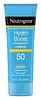
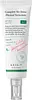
Neutrogena Hydro Boost Water Gel Lotion SPF 50 Versus AXIS - Y Complete No-Stress Physical Sunscreen V.3 SPF 50+
This chemical sunscreen covers most of the UV range, lighter on the deep UVA that drives aging.
This hybrid sunscreen covers the full UV range and blocks ~98% of UVB at SPF 50.


What's inside
What's inside
 Key Ingredients
Benefits
Concerns
Ingredients Side-by-side
Butyl Methoxydibenzoylmethane 3%
UV Absorber
Homosalate 15%
Skin Conditioning
Ethylhexyl Salicylate 5%
UV Absorber
Octocrylene 10%
UV Absorber

Water
Skin ConditioningButyloctyl Salicylate
Skin Conditioning
Glycerin
Humectant


Alcohol Denat.
Antimicrobial


Silica
Abrasive


Caprylyl Methicone
Skin Conditioning
Aluminum Starch Octenylsuccinate
Absorbent
Dimethicone
Emollient
Polyurethane-62
Phenoxyethanol
Preservative
Pentylene Glycol
Skin Conditioning
Styrene/Acrylates Copolymer
Sodium Acryloyldimethyltaurate/Vp Crosspolymer
Emulsion StabilisingAcrylates/Dimethicone Copolymer
Skin Conditioning
Parfum
Masking

Glyceryl Stearate
Emollient
Chlorphenesin
Antimicrobial
Menthyl Lactate
Masking
Tocopheryl Acetate
Antioxidant


Disodium EDTA
ChelatingTrideceth-6
EmulsifyingHydrolyzed Hyaluronic Acid
Humectant

Sodium Hydroxide
BufferingBlue 1 Lake
Cosmetic ColorantButyl Methoxydibenzoylmethane 3%, Homosalate 15%, Ethylhexyl Salicylate 5%, Octocrylene 10%, Water, Butyloctyl Salicylate, Glycerin, Alcohol Denat., Silica, Caprylyl Methicone, Aluminum Starch Octenylsuccinate, Dimethicone, Polyurethane-62, Phenoxyethanol, Pentylene Glycol, Styrene/Acrylates Copolymer, Sodium Acryloyldimethyltaurate/Vp Crosspolymer, Acrylates/Dimethicone Copolymer, Parfum, Glyceryl Stearate, Chlorphenesin, Menthyl Lactate, Tocopheryl Acetate, Disodium EDTA, Trideceth-6, Hydrolyzed Hyaluronic Acid, Sodium Hydroxide, Blue 1 Lake
Water
Skin ConditioningZinc Oxide
Cosmetic Colorant
Cyclohexasiloxane
Emollient
Dipropylene Glycol
HumectantButyloctyl Salicylate
Skin Conditioning
Propanediol
Solvent
Isododecane
EmollientPolyglyceryl-3 Polydimethylsiloxyethyl Dimethicone
Skin Conditioning
Propylheptyl Caprylate
EmollientNiacinamide
Smoothing





Diphenylsiloxy Phenyl Trimethicone
Skin Conditioning
Caprylyl Methicone
Skin Conditioning
C12-15 Alkyl Benzoate
AntimicrobialMethyl Trimethicone
Skin Conditioning
Methyl Methacrylate Crosspolymer
Calendula Officinalis Flower Extract
Masking
Camellia Sinensis Leaf Extract
Antimicrobial
Artemisia Capillaris Flower Extract
Skin ConditioningVitis Vinifera Seed Extract
Antimicrobial
Sodium Hyaluronate
Humectant
Adenosine
Skin Conditioning
Palmitoyl Tripeptide-5
Skin Conditioning
Squalane
Emollient
Chamomilla Recutita Flower Water
MaskingTocopherol
Antioxidant
Allantoin
Skin Conditioning
Glycerin
Humectant
Butylene Glycol
Humectant
Disteardimonium Hectorite
StabilisingMagnesium Sulfate
Triethoxycaprylylsilane
1,2-Hexanediol
Skin Conditioning
Polyglyceryl-2 Dipolyhydroxystearate
Skin Conditioning
Lauryl Polyglyceryl-3 Polydimethylsiloxyethyl Dimethicone
Skin Conditioning
Synthetic Fluorphlogopite
Glyceryl Caprylate
EmollientCaprylyl Glycol
Emollient
Ethylhexylglycerin
Skin ConditioningWater, Zinc Oxide, Cyclohexasiloxane, Dipropylene Glycol, Butyloctyl Salicylate, Propanediol, Isododecane, Polyglyceryl-3 Polydimethylsiloxyethyl Dimethicone, Propylheptyl Caprylate, Niacinamide, Diphenylsiloxy Phenyl Trimethicone, Caprylyl Methicone, C12-15 Alkyl Benzoate, Methyl Trimethicone, Methyl Methacrylate Crosspolymer, Calendula Officinalis Flower Extract, Camellia Sinensis Leaf Extract, Artemisia Capillaris Flower Extract, Vitis Vinifera Seed Extract, Sodium Hyaluronate, Adenosine, Palmitoyl Tripeptide-5, Squalane, Chamomilla Recutita Flower Water, Tocopherol, Allantoin, Glycerin, Butylene Glycol, Disteardimonium Hectorite, Magnesium Sulfate, Triethoxycaprylylsilane, 1,2-Hexanediol, Polyglyceryl-2 Dipolyhydroxystearate, Lauryl Polyglyceryl-3 Polydimethylsiloxyethyl Dimethicone, Synthetic Fluorphlogopite, Glyceryl Caprylate, Caprylyl Glycol, Ethylhexylglycerin
Reviews
Ingredients Explained
These ingredients are found in both products.
Ingredients higher up in an ingredient list are typically present in a larger amount.
Butyloctyl Salicylate is a chemical UV filter structurally similar to octisalate. It is a photostabilizer, SPF booster, emollient and solvent. This ingredient helps evenly spread out ingredients.
According to a manufacturer, it is suitable for pairing with micro Titanium Dioxide, Zinc Oxide, and pigments.
Photostabilizers help stabilize UV-filters and prevents them from degrading quickly.
Learn more about Butyloctyl SalicylateCaprylyl Methicone is a synthetic and lightweight silicone fluid. It gives products a silky, dry-touch finish without the heaviness of pure oils.
Though the EU CosIng Database lists this ingredient as a skin conditioner, it is also used for sensory reasons. It spreads easily, cuts greasiness, and reduces tackiness.
This ingredient is volatile which means it will mostly evaporate (but it evaporates slower than older cyclomethicones, like Cyclotetrasiloxane).
Typical concentration ranges from 1-30% depending on if it's being used to tweak the feel of a product or acting as the main emollient.
Learn more about Caprylyl MethiconeGlycerin (or glycerol) is a compound naturally found in your skin. It's a powerhouse humectant that pulls water into the stratum corneum.
Topically, glycerin does several things at once:
Your skin makes glycerin on its own (mostly from sebaceous oil breakdown) and shuttles it to your outermost layer of skin, or your epidermis, via aquaporin-3.
Aquaporin-3 is a transporter that is essential for normal skin hydration, elasticity, and repair. Interestingly, mice lacking in AQP3 have dry and less elastic skin that can be fully corrected with glycerin.
This ingredient is non-irritating, plays well with almost every ingredient, and works across all skin types. Typical use is anywhere between 3-10% but can go up to 79% in some leave-on products.
Just know very high concentrations (>40%) can feel tacky in low humidity.
Glycerin is the name for this ingredient in American English. British English uses Glycerol/Glycerine.
Learn more about GlycerinWater. It's the most common cosmetic ingredient of all. You'll usually see it at the top of ingredient lists, meaning that it makes up the largest part of the product.
So why is it so popular? Water most often acts as a solvent - this means that it helps dissolve other ingredients into the formulation.
You'll also recognize water as that liquid we all need to stay alive. If you see this, drink a glass of water. Remember to stay hydrated!
Learn more about Water

