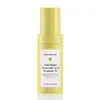
This brightening emulsion is formulated around Tranexamic Acid and Kojic Acid to fade the look of dark spots and brighten dull-looking skin.
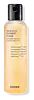
This hydrating toner is formulated around Propolis Extract and Honey Extract to hydrate skin and calm redness.


What's inside
What's inside
 Key Ingredients
Benefits
Concerns
Ingredients Side-by-side
Water
Skin ConditioningButylene Glycol
Humectant

C12-15 Alkyl Benzoate
AntimicrobialTranexamic Acid
Astringent




Caprylic/Capric Triglyceride
Masking
Propanediol
Solvent
Kaolin
Abrasive



Cetearyl Alcohol
Emollient





Glycerin
Humectant
Isostearyl Alcohol
Emollient
C13-15 Alkane
SolventMyrica Cerifera Fruit Wax
EmollientEthylhexyl Olivate
Skin Conditioning
Butylene Glycol Cocoate
Emulsifying
Kojic Acid
Antioxidant

Alpha-Arbutin
Antioxidant
Acetyl Glucosamine
Skin Conditioning
Allantoin
Skin Conditioning
Coco-Caprylate/Caprate
Emollient
Squalane
Emollient
Evodia Rutaecarpa Fruit Extract
Skin ConditioningTriheptanoin
Skin ConditioningCitric Acid
Buffering
Hydroxyacetophenone
Antioxidant
Carbomer
Emulsion StabilisingCaprylyl Glycol
Emollient
1,2-Hexanediol
Skin Conditioning
C9-12 Alkane
SolventDilinoleic Acid/Butanediol Copolymer
Tremella Fuciformis Sporocarp Extract
Antioxidant
Helianthus Annuus Seed Oil
Emollient
Rosmarinus Officinalis Leaf Extract
AntimicrobialXanthan Gum
EmulsifyingBetaine
Humectant
Sorbitol
Humectant
Ethylcellulose
Lecithin
Emollient
Rubus Idaeus Fruit Extract
AstringentSodium Hydroxide
BufferingSodium Phytate
Ectoin
Skin Conditioning
Phenoxyethanol
Preservative
Castor Oil/Ipdi Copolymer
Potassium Sorbate
Preservative
Glyceryl Caprylate
EmollientWater, Butylene Glycol, C12-15 Alkyl Benzoate, Tranexamic Acid, Caprylic/Capric Triglyceride, Propanediol, Kaolin, Cetearyl Alcohol, Glycerin, Isostearyl Alcohol, C13-15 Alkane, Myrica Cerifera Fruit Wax, Ethylhexyl Olivate, Butylene Glycol Cocoate, Kojic Acid, Alpha-Arbutin, Acetyl Glucosamine, Allantoin, Coco-Caprylate/Caprate, Squalane, Evodia Rutaecarpa Fruit Extract, Triheptanoin, Citric Acid, Hydroxyacetophenone, Carbomer, Caprylyl Glycol, 1,2-Hexanediol, C9-12 Alkane, Dilinoleic Acid/Butanediol Copolymer, Tremella Fuciformis Sporocarp Extract, Helianthus Annuus Seed Oil, Rosmarinus Officinalis Leaf Extract, Xanthan Gum, Betaine, Sorbitol, Ethylcellulose, Lecithin, Rubus Idaeus Fruit Extract, Sodium Hydroxide, Sodium Phytate, Ectoin, Phenoxyethanol, Castor Oil/Ipdi Copolymer, Potassium Sorbate, Glyceryl Caprylate
Propolis Extract
Skin Conditioning
Honey Extract
Humectant
Butylene Glycol
Humectant
1,2-Hexanediol
Skin Conditioning
Glycerin
Humectant
Betaine
Humectant
Cassia Obtusifolia Seed Extract
Skin ConditioningPanthenol
Skin Conditioning
Polyglyceryl-10 Laurate
Skin Conditioning
Polyglyceryl-10 Myristate
Skin Conditioning
Ethylhexylglycerin
Skin ConditioningSodium Hyaluronate
Humectant
Hydroxyethyl Acrylate/Sodium Acryloyldimethyl Taurate Copolymer
Emulsion StabilisingCaprylic/Capric Triglyceride
Masking
Propolis Extract, Honey Extract, Butylene Glycol, 1,2-Hexanediol, Glycerin, Betaine, Cassia Obtusifolia Seed Extract, Panthenol, Polyglyceryl-10 Laurate, Polyglyceryl-10 Myristate, Ethylhexylglycerin, Sodium Hyaluronate, Hydroxyethyl Acrylate/Sodium Acryloyldimethyl Taurate Copolymer, Caprylic/Capric Triglyceride
Reviews
Ingredients Explained
These ingredients are found in both products.
Ingredients higher up in an ingredient list are typically present in a larger amount.
1,2-Hexanediol is a synthetic liquid and another multi-functional powerhouse.
It is a:
- Humectant, drawing moisture into the skin
- Emollient, helping to soften skin
- Solvent, dispersing and stabilizing formulas
- Preservative booster, enhancing the antimicrobial activity of other preservatives
Betaine is a humectant. Like hyaluronic acid, it helps attract and retain moisture in the skin. It’s known for being gentle and for helping the skin maintain balanced hydration.
Betaine is mainly used to improve hydration and support calmer skin. It helps skin cells regulate water balance because it functions as an osmolyte.
Some studies suggest betaine may support making skin tone more even.
Fun fact: Betaine naturally exists in the skin and the body. In cosmetic products, it can be either plant-derived (most commonly from sugar beets) or synthetically produced for consistency and stability.
Betaine is also known as trimethylglycine.
Learn more about BetaineButylene Glycol (or BG) is used within cosmetic products for a few different reasons:
Overall, Butylene Glycol is a safe and well-rounded ingredient that works well with other ingredients.
Though this ingredient works well with most skin types, some people with sensitive skin may experience a reaction such as allergic rashes, closed comedones, or itchiness.
Learn more about Butylene GlycolCaprylic/Capric Triglyceride (aka MCT Oil) is a lightweight emollient, solvent, and texture enhancer. It is considered a skin-softener by helping to prevent moisture loss.
Though it behaves like an oil, it is not technically one due to its chemical composition. One perk of this ingredient is that it is very stable, resistant to oxidation, and unlikely to go rancid.
In practice, that translates to a long shelf life and a consistently elegant skin feel.
While there is an assumption Caprylic Triglyceride can clog pores due to it being derived from coconut oil, there is no research supporting this. Just patch test if you have concerns.
Fractionated coconut oil and MCT Oil are both listed as Caprylic/Capric Triglyceride according to INCI. This is because INCI names are based on the ingredient’s final chemical composition and not its marketing name or source.
This ingredient is treated as the gold standard fungal acne safe oil. Even though it is coconut derived, the problematic lauric acid is stripped out.
This leaves just caprylic (C8) and capric (C10) acid. These chain lengths actually trend antifungal; a 2020 study found caprylic acid was enough to disrupt Malassezia furfur cell membrane, with a caprylic acid derivative damaging membrane structures at concentrations as low as 0.2%.
Learn more about Caprylic/Capric TriglycerideGlycerin (or glycerol) is a compound naturally found in your skin. It's a powerhouse humectant that pulls water into the stratum corneum.
Topically, glycerin does several things at once:
Your skin makes glycerin on its own (mostly from sebaceous oil breakdown) and shuttles it to your outermost layer of skin, or your epidermis, via aquaporin-3.
Aquaporin-3 is a transporter that is essential for normal skin hydration, elasticity, and repair. Interestingly, mice lacking in AQP3 have dry and less elastic skin that can be fully corrected with glycerin.
This ingredient is non-irritating, plays well with almost every ingredient, and works across all skin types. Typical use is anywhere between 3-10% but can go up to 79% in some leave-on products.
Just know very high concentrations (>40%) can feel tacky in low humidity.
Glycerin is the name for this ingredient in American English. British English uses Glycerol/Glycerine.
Learn more about Glycerin

