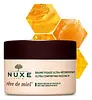
This calming moisturizer is formulated around Oryza Sativa Bran Oil and Honey to calm redness and hydrate skin.
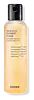
This hydrating toner is formulated around Propolis Extract and Honey Extract to hydrate skin and calm redness.


What's inside
What's inside
 Key Ingredients
Benefits
Concerns
Ingredients Side-by-side
Water
Skin ConditioningBehenyl Alcohol
Emollient
Glycerin
Humectant


Beeswax
Emulsion Stabilising




Cocos Nucifera Oil
Masking


Macadamia Integrifolia Seed Oil
Skin Conditioning
Oryza Sativa Bran Oil
Emollient

Butylene Glycol
Humectant
Butyrospermum Parkii Butter Extract
Skin Conditioning
Helianthus Annuus Seed Oil Unsaponifiables
Emollient
Hydroxystearic/Linolenic/Oleic Polyglycerides
EmollientCetearyl Alcohol
Emollient
Coco-Caprylate/Caprate
Emollient
Arachidyl Alcohol
Emollient
Dimethicone
Emollient
Coco-Glucoside
Cleansing
Honey
Humectant
Parfum
Masking

Tocopherol
Antioxidant




Argania Spinosa Kernel Oil
Emollient
Capryloyl Glycine
CleansingSafflower Oil/Palm Oil Aminopropanediol Esters
Skin Conditioning
Sodium Stearoyl Glutamate
CleansingTocopheryl Acetate
Antioxidant
Arachidyl Glucoside
EmulsifyingHydroxyethyl Acrylate/Sodium Acryloyldimethyl Taurate Copolymer
Emulsion StabilisingSodium Hydroxide
BufferingCitric Acid
Buffering
Ethylhexylglycerin
Skin ConditioningDimethicone Crosspolymer
Emulsion Stabilising
Hordeum Vulgare Cera
Emollient
Spent Grain Wax
Skin Conditioning
Carbomer
Emulsion StabilisingDehydroacetic Acid
Preservative
Sodium Gluconate
ChelatingHelianthus Annuus Seed Oil
Emollient
Glycine Soja Oil
Emollient
Propolis Extract
Skin Conditioning

Hydrolyzed Lupine Protein
Skin Conditioning10-Hydroxydecanoic Acid
Skin ConditioningSebacic Acid
Buffering1,10-Decanediol
SolventPolysorbate 60
Emulsifying
Sorbitan Isostearate
Emulsifying
Sodium Benzoate
Masking
Solanum Lycopersicum Fruit Extract
Antioxidant
Beta-Carotene
Skin ConditioningDaucus Carota Sativa Root Extract
Skin Conditioning
Linalool
Perfuming
Limonene
Perfuming
Benzyl Salicylate
Perfuming
Citronellol
Perfuming
Farnesol
Perfuming
Coumarin
Perfuming
Citral
Perfuming
Water, Behenyl Alcohol, Glycerin, Beeswax, Cocos Nucifera Oil, Macadamia Integrifolia Seed Oil, Oryza Sativa Bran Oil, Butylene Glycol, Butyrospermum Parkii Butter Extract, Helianthus Annuus Seed Oil Unsaponifiables, Hydroxystearic/Linolenic/Oleic Polyglycerides, Cetearyl Alcohol, Coco-Caprylate/Caprate, Arachidyl Alcohol, Dimethicone, Coco-Glucoside, Honey, Parfum, Tocopherol, Argania Spinosa Kernel Oil, Capryloyl Glycine, Safflower Oil/Palm Oil Aminopropanediol Esters, Sodium Stearoyl Glutamate, Tocopheryl Acetate, Arachidyl Glucoside, Hydroxyethyl Acrylate/Sodium Acryloyldimethyl Taurate Copolymer, Sodium Hydroxide, Citric Acid, Ethylhexylglycerin, Dimethicone Crosspolymer, Hordeum Vulgare Cera, Spent Grain Wax, Carbomer, Dehydroacetic Acid, Sodium Gluconate, Helianthus Annuus Seed Oil, Glycine Soja Oil, Propolis Extract, Hydrolyzed Lupine Protein, 10-Hydroxydecanoic Acid, Sebacic Acid, 1,10-Decanediol, Polysorbate 60, Sorbitan Isostearate, Sodium Benzoate, Solanum Lycopersicum Fruit Extract, Beta-Carotene, Daucus Carota Sativa Root Extract, Linalool, Limonene, Benzyl Salicylate, Citronellol, Farnesol, Coumarin, Citral
Propolis Extract
Skin Conditioning
Honey Extract
Humectant
Butylene Glycol
Humectant
1,2-Hexanediol
Skin Conditioning
Glycerin
Humectant
Betaine
Humectant
Cassia Obtusifolia Seed Extract
Skin ConditioningPanthenol
Skin Conditioning
Polyglyceryl-10 Laurate
Skin Conditioning
Polyglyceryl-10 Myristate
Skin Conditioning
Ethylhexylglycerin
Skin ConditioningSodium Hyaluronate
Humectant
Hydroxyethyl Acrylate/Sodium Acryloyldimethyl Taurate Copolymer
Emulsion StabilisingCaprylic/Capric Triglyceride
Masking
Propolis Extract, Honey Extract, Butylene Glycol, 1,2-Hexanediol, Glycerin, Betaine, Cassia Obtusifolia Seed Extract, Panthenol, Polyglyceryl-10 Laurate, Polyglyceryl-10 Myristate, Ethylhexylglycerin, Sodium Hyaluronate, Hydroxyethyl Acrylate/Sodium Acryloyldimethyl Taurate Copolymer, Caprylic/Capric Triglyceride
Reviews
Ingredients Explained
These ingredients are found in both products.
Ingredients higher up in an ingredient list are typically present in a larger amount.
Butylene Glycol (or BG) is used within cosmetic products for a few different reasons:
Overall, Butylene Glycol is a safe and well-rounded ingredient that works well with other ingredients.
Though this ingredient works well with most skin types, some people with sensitive skin may experience a reaction such as allergic rashes, closed comedones, or itchiness.
Learn more about Butylene GlycolEthylhexylglycerin is created from glycerin. It is a multitasker ingredient that:
The CIR Expert Panel found minimal skin absorption or sensitization of any kind in a safety assessment. Though this ingredient is considered well-tolerated, a small number of cases of allergic dermatitis have been published since 2002. Just be sure to patch test if you are unsure.
Industry-reported use ranges from 8% in rinse-off products and 2% in leave-on formulations.
Learn more about EthylhexylglycerinGlycerin (or glycerol) is a compound naturally found in your skin. It's a powerhouse humectant that pulls water into the stratum corneum.
Topically, glycerin does several things at once:
Your skin makes glycerin on its own (mostly from sebaceous oil breakdown) and shuttles it to your outermost layer of skin, or your epidermis, via aquaporin-3.
Aquaporin-3 is a transporter that is essential for normal skin hydration, elasticity, and repair. Interestingly, mice lacking in AQP3 have dry and less elastic skin that can be fully corrected with glycerin.
This ingredient is non-irritating, plays well with almost every ingredient, and works across all skin types. Typical use is anywhere between 3-10% but can go up to 79% in some leave-on products.
Just know very high concentrations (>40%) can feel tacky in low humidity.
Glycerin is the name for this ingredient in American English. British English uses Glycerol/Glycerine.
Learn more about GlycerinThis is a synthetic polymer. It helps improve the texture of products by adding thickness and gel-like feel.
It is also an emulsifer, meaning it prevents ingredients such as oil and water from separating. It also helps evenly disperse other ingredients.
Propolis Extract is a natural ingredient derived from propolis (also known as bee glue). Bees make propolis by mixing their saliva and beeswax with resins collected from tree buds and plants.
This ingredient is packed with bioactive compounds like flavonoids, phenolic acids, and amino acids that give it antioxidant and anti-inflammatory properties.
Research shows it can help:
It also pairs nicely with hydrating ingredients like niacinamide and ceramides.
Just so you know, Propolis Extract is recognized as a contact allergen. In patch tests done in the EU, roughly 1-6% of patients react to it. Be sure to steer clear of this ingredient if you have a known allergy to bee products.
Since it is an animal-derived product, this ingredient is not considered vegan. For vegan alternatives, check out Galactomyces Ferment Filtrate or Centella Asiatica Extract.
Learn more about Propolis Extract

