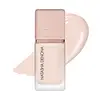
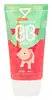
Natasha Denona Hy-Glam Foundation Hydrating & Blurring Luminous Longwear Serum Foundation Versus Elizavecca Milky Piggy BB Cream SPF 50+ PA+++


What's inside
What's inside
 Key Ingredients
Benefits
Concerns
Ingredients Side-by-side
Water
Skin ConditioningDiphenylsiloxy Phenyl Trimethicone
Skin Conditioning
Phenyl Trimethicone
Skin Conditioning
Dimethicone
Emollient
Butylene Glycol
Humectant

Caprylyl Methicone
Skin Conditioning
Glycerin
Humectant
Lauryl Polyglyceryl-3 Polydimethylsiloxyethyl Dimethicone
Skin Conditioning
Isododecane
EmollientTrimethylsiloxysilicate
Emollient
Alcohol Denat.
Antimicrobial




Polyglyceryl-3 Polydimethylsiloxyethyl Dimethicone
Skin Conditioning
Acrylates/Polytrimethylsiloxymethacrylate Copolymer
Skin ConditioningPhenylpropyldimethylsiloxysilicate
EmollientSorbitan Sesquioleate
Emulsifying
C13-15 Alkane
Solvent1,2-Hexanediol
Skin Conditioning
Quaternium-90 Bentonite
Acrylates/Dimethicone Copolymer
Skin Conditioning
Magnesium Sulfate
Boron Nitride
Absorbent
Dimethicone/Vinyl Dimethicone Crosspolymer
Skin Conditioning
Hydroxyacetophenone
Antioxidant
Disodium Stearoyl Glutamate
CleansingCaprylic/Capric Triglyceride
Masking
Bambusa Arundinacea Stem Powder
Abrasive
Aluminum Hydroxide
EmollientChlorella Emersonii Extract
Skin ConditioningTocopherol
Antioxidant




Jasminum Sambac Leaf Cell Extract
Masking
Vitis Vinifera Fruit Extract
Skin ConditioningCamellia Sinensis Leaf Extract
Antimicrobial

CI 77891
Cosmetic ColorantCI 77491
Cosmetic ColorantCI 77492
Cosmetic ColorantCI 77499
Cosmetic ColorantWater, Diphenylsiloxy Phenyl Trimethicone, Phenyl Trimethicone, Dimethicone, Butylene Glycol, Caprylyl Methicone, Glycerin, Lauryl Polyglyceryl-3 Polydimethylsiloxyethyl Dimethicone, Isododecane, Trimethylsiloxysilicate, Alcohol Denat., Polyglyceryl-3 Polydimethylsiloxyethyl Dimethicone, Acrylates/Polytrimethylsiloxymethacrylate Copolymer, Phenylpropyldimethylsiloxysilicate, Sorbitan Sesquioleate, C13-15 Alkane, 1,2-Hexanediol, Quaternium-90 Bentonite, Acrylates/Dimethicone Copolymer, Magnesium Sulfate, Boron Nitride, Dimethicone/Vinyl Dimethicone Crosspolymer, Hydroxyacetophenone, Disodium Stearoyl Glutamate, Caprylic/Capric Triglyceride, Bambusa Arundinacea Stem Powder, Aluminum Hydroxide, Chlorella Emersonii Extract, Tocopherol, Jasminum Sambac Leaf Cell Extract, Vitis Vinifera Fruit Extract, Camellia Sinensis Leaf Extract, CI 77891, CI 77491, CI 77492, CI 77499
Water
Skin ConditioningTitanium Dioxide
Cosmetic Colorant

Phenyl Trimethicone
Skin Conditioning
Ethylhexyl Methoxycinnamate
UV Absorber
Glycerin
Humectant
Ethylhexyl Salicylate
UV Absorber
Synthetic Fluorphlogopite
Ethylhexyl Methoxycrylene
Skin Conditioning
Butyloctyl Salicylate
Skin Conditioning
Butylene Glycol
Humectant
Triethylhexanoin
MaskingCetyl PEG/PPG-10/1 Dimethicone
Emulsifying
Vp/Hexadecene Copolymer
Niacinamide
Smoothing


Butyl Methoxydibenzoylmethane
UV Absorber
Triethanolamine
BufferingZinc Stearate
Cosmetic ColorantSorbitan Olivate
Emulsifying
Sorbitan Sesquioleate
Emulsifying
Sodium Hyaluronate
Humectant
Magnesium Sulfate
CI 77492
Cosmetic ColorantDisteardimonium Hectorite
StabilisingCI 77499
Cosmetic ColorantCI 77491
Cosmetic ColorantCaprylyl Glycol
Emollient
Phenoxyethanol
Preservative
Ceresin
Emulsion StabilisingParfum
Masking
Hydrolyzed Collagen
Emollient
Panthenol
Skin Conditioning
Tocopheryl Acetate
Antioxidant
Allantoin
Skin Conditioning
Disodium EDTA
ChelatingCaprylhydroxamic Acid
ChelatingAdenosine
Skin Conditioning
Propylene Carbonate
SolventPsidium Guajava Leaf Extract
AstringentArtemisia Princeps Extract
Skin Conditioning
Vitis Vinifera Seed Extract
Antimicrobial
Morus Alba Leaf Extract
Skin ConditioningWater, Titanium Dioxide, Phenyl Trimethicone, Ethylhexyl Methoxycinnamate, Glycerin, Ethylhexyl Salicylate, Synthetic Fluorphlogopite, Ethylhexyl Methoxycrylene, Butyloctyl Salicylate, Butylene Glycol, Triethylhexanoin, Cetyl PEG/PPG-10/1 Dimethicone, Vp/Hexadecene Copolymer, Niacinamide, Butyl Methoxydibenzoylmethane, Triethanolamine, Zinc Stearate, Sorbitan Olivate, Sorbitan Sesquioleate, Sodium Hyaluronate, Magnesium Sulfate, CI 77492, Disteardimonium Hectorite, CI 77499, CI 77491, Caprylyl Glycol, Phenoxyethanol, Ceresin, Parfum, Hydrolyzed Collagen, Panthenol, Tocopheryl Acetate, Allantoin, Disodium EDTA, Caprylhydroxamic Acid, Adenosine, Propylene Carbonate, Psidium Guajava Leaf Extract, Artemisia Princeps Extract, Vitis Vinifera Seed Extract, Morus Alba Leaf Extract
Reviews
Ingredients Explained
These ingredients are found in both products.
Ingredients higher up in an ingredient list are typically present in a larger amount.
Butylene Glycol (or BG) is used within cosmetic products for a few different reasons:
Overall, Butylene Glycol is a safe and well-rounded ingredient that works well with other ingredients.
Though this ingredient works well with most skin types, some people with sensitive skin may experience a reaction such as allergic rashes, closed comedones, or itchiness.
Learn more about Butylene GlycolCi 77491 is also hydrated iron III oxide. It's sole purpose is to give a red/pink hue to products.
Iron III oxides are classified as inorganic chemicals for coloring.
Synthetically created Ci 77491 is considered safer than those naturally found. This is because the synthetically created version may contain less impurities. Iron oxides are generally non-toxic and non-allergenic.
Learn more about CI 77491CI 77492 is also hydrated iron III oxide. It's sole purpose is to give a yellow hue to products.
Iron III oxides are classified as inorganic chemicals for coloring.
Synthetically created CI 77492 is considered safer than those naturally found. This is because the synthetically created version may contain less impurities. Iron oxides are generally non-toxic and non-allergenic.
Learn more about CI 77492Ci 77499 is also hydrated iron III oxide. It is created from mixing red and black iron oxides. This helps give shades of darkness to a product.
Iron III oxides are classified as inorganic chemicals for coloring.
Glycerin (or glycerol) is a compound naturally found in your skin. It's a powerhouse humectant that pulls water into the stratum corneum.
Topically, glycerin does several things at once:
Your skin makes glycerin on its own (mostly from sebaceous oil breakdown) and shuttles it to your outermost layer of skin, or your epidermis, via aquaporin-3.
Aquaporin-3 is a transporter that is essential for normal skin hydration, elasticity, and repair. Interestingly, mice lacking in AQP3 have dry and less elastic skin that can be fully corrected with glycerin.
This ingredient is non-irritating, plays well with almost every ingredient, and works across all skin types. Typical use is anywhere between 3-10% but can go up to 79% in some leave-on products.
Just know very high concentrations (>40%) can feel tacky in low humidity.
Glycerin is the name for this ingredient in American English. British English uses Glycerol/Glycerine.
Learn more about GlycerinMagnesium Sulfate is a salt. More specifically, it is an epsom salt, or the bath salt used to help relieve muscle aches.
Despite having ‘sulfate’ in the name, it isn’t a surfactant or cleansing agent like sodium lauryl sulfate. Unlike those sulfates, magnesium sulfate doesn’t have the same cleansing or foaming properties (it's simply a type of salt).
In cosmetics, Magnesium Sulfate is used to thicken a product or help dilute other solids. It is a non-reactive and non-irritating ingredient.
One study shows magnesium deficiency may lead to inflammation of the skin. Applying magnesium topically may help reduce inflammation.
You can find this ingredient in sea water or mineral deposits.
Learn more about Magnesium SulfatePhenyl Trimethicone is a silicon-based polymer. It is derived from silica.
Phenyl Trimethicone is used as an emollient and prevents products from foaming.
As an emollient, it helps trap moisture in the skin. It is considered an occlusive.
Learn more about Phenyl TrimethiconeSorbitan Sesquioleate is derived from sorbitol and oleic acid. It is an emulsifier and prevents ingredients from separating.
Specifically, this ingredient is a water-in-oil emulsifier, meaning it helps water dissolve into oil.
Some studies suggest this ingredient may cause irritation in some people. If you are unsure, it is best to patch test.
This ingredient may not be Malassezia folliculitis, or fungal-acne safe due to the oleic acid. In vitro studies have shown that Oleic Acid is one of the fatty acids that induce rapid Malassezia growth in lab settings.
This ingredient does have a comedogenic rating of 0-1. The original test stated 0-1 meant an ingredient is unlikely to cause comedones.
Just remember human testing has proved that any finished product with a comedogenic ingredient won't automatically make you break out; it really comes down to concentration, formula, and your skin.
Learn more about Sorbitan SesquioleateWater. It's the most common cosmetic ingredient of all. You'll usually see it at the top of ingredient lists, meaning that it makes up the largest part of the product.
So why is it so popular? Water most often acts as a solvent - this means that it helps dissolve other ingredients into the formulation.
You'll also recognize water as that liquid we all need to stay alive. If you see this, drink a glass of water. Remember to stay hydrated!
Learn more about Water

