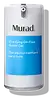
This oil-control moisturizer is formulated around Salicylic Acid to balance excess oil and clear breakouts.
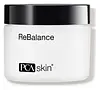
This calming moisturizer is formulated around Niacinamide and Bisabolol to calm redness and strengthen the skin barrier.

What's inside
What's inside
 Key Ingredients
Benefits
Concerns
Ingredients Side-by-side
Water
Skin ConditioningHamamelis Virginiana Water
Astringent



Glycerin
Humectant


Hydroxyethyl Urea
Humectant
Hydroxyethyl Acrylate/Sodium Acryloyldimethyl Taurate Copolymer
Emulsion StabilisingPropanediol
Solvent
Polymethylsilsesquioxane/Silica Crosspolymer
Dimethicone
Emollient
Tapioca Starch
Diisopropyl Sebacate
EmollientSalicylic Acid
Masking






Urea
Buffering
Yeast Amino Acids
HumectantTrehalose
Humectant
Inositol
Humectant
Taurine
BufferingBetaine
Humectant
Zingiber Officinale Root Extract
Masking
Bisabolol
Antioxidant

Sodium Hyaluronate
Humectant
Lysolecithin
EmulsifyingSclerotium Gum
Emulsion StabilisingPolyisobutene
Polysilicone-11
Polydextrose
HumectantDextrin
AbsorbentEthylhexyl Hydroxystearate
Emollient
Pullulan
Caprylhydroxamic Acid
ChelatingXanthan Gum
EmulsifyingAmylopectin
Niacinamide
Smoothing

Disodium EDTA
ChelatingPentylene Glycol
Skin Conditioning
Serine
Masking
Butylene Glycol
Humectant
PEG-7 Trimethylolpropane Coconut Ether
Emulsifying
Hydroxypropyl Cyclodextrin
MaskingGlyceryl Polyacrylate
Algin
MaskingDisodium Phosphate
BufferingSilica
Abrasive
Dipropylene Glycol
HumectantPinus Densiflora Leaf Extract
Antimicrobial
Decyl Glucoside
Cleansing
Potassium Phosphate
BufferingLactobacillus Ferment
Skin Conditioning
Caprylyl Glycol
Emollient
1,2-Hexanediol
Skin Conditioning
Sodium Hydroxide
BufferingCitric Acid
Buffering
Limonene
Perfuming

Hydroxycitronellal
Perfuming
Parfum
Masking
CI 42090
Cosmetic ColorantCI 17200
Cosmetic ColorantWater, Hamamelis Virginiana Water, Glycerin, Hydroxyethyl Urea, Hydroxyethyl Acrylate/Sodium Acryloyldimethyl Taurate Copolymer, Propanediol, Polymethylsilsesquioxane/Silica Crosspolymer, Dimethicone, Tapioca Starch, Diisopropyl Sebacate, Salicylic Acid, Urea, Yeast Amino Acids, Trehalose, Inositol, Taurine, Betaine, Zingiber Officinale Root Extract, Bisabolol, Sodium Hyaluronate, Lysolecithin, Sclerotium Gum, Polyisobutene, Polysilicone-11, Polydextrose, Dextrin, Ethylhexyl Hydroxystearate, Pullulan, Caprylhydroxamic Acid, Xanthan Gum, Amylopectin, Niacinamide, Disodium EDTA, Pentylene Glycol, Serine, Butylene Glycol, PEG-7 Trimethylolpropane Coconut Ether, Hydroxypropyl Cyclodextrin, Glyceryl Polyacrylate, Algin, Disodium Phosphate, Silica, Dipropylene Glycol, Pinus Densiflora Leaf Extract, Decyl Glucoside, Potassium Phosphate, Lactobacillus Ferment, Caprylyl Glycol, 1,2-Hexanediol, Sodium Hydroxide, Citric Acid, Limonene, Hydroxycitronellal, Parfum, CI 42090, CI 17200
Water
Skin ConditioningEthylhexyl Isononanoate
EmollientGlycereth-26
Humectant
Butylene Glycol
Humectant
Hydroxyethyl Acrylate/Sodium Acryloyldimethyl Taurate Copolymer
Emulsion StabilisingPhenoxyethanol
Preservative
Niacinamide
Smoothing
Carbomer
Emulsion StabilisingPolyisobutene
Caprylyl Glycol
Emollient
Bisabolol
Antioxidant
Sodium Hydroxide
BufferingEthylhexylglycerin
Skin ConditioningHexylene Glycol
EmulsifyingPEG-7 Trimethylolpropane Coconut Ether
Emulsifying
Tocopheryl Acetate
Antioxidant
Oenothera Biennis Oil
Emollient

Borago Officinalis Seed Oil
Emollient
Aloe Barbadensis Leaf Juice
Skin Conditioning
Sodium Hyaluronate
Humectant
Water, Ethylhexyl Isononanoate, Glycereth-26, Butylene Glycol, Hydroxyethyl Acrylate/Sodium Acryloyldimethyl Taurate Copolymer, Phenoxyethanol, Niacinamide, Carbomer, Polyisobutene, Caprylyl Glycol, Bisabolol, Sodium Hydroxide, Ethylhexylglycerin, Hexylene Glycol, PEG-7 Trimethylolpropane Coconut Ether, Tocopheryl Acetate, Oenothera Biennis Oil, Borago Officinalis Seed Oil, Aloe Barbadensis Leaf Juice, Sodium Hyaluronate
Reviews
Ingredients Explained
These ingredients are found in both products.
Ingredients higher up in an ingredient list are typically present in a larger amount.
Bisabolol is a gentle skin conditioner, antioxidant, and soothing ingredient.
It's primary claim to fame is soothing and research shows topically applied bisabolol can quiet the chemical messengers that cause your skin to become inflamed, helping to sooth any irritation.
A clinical study found that applying 0.5% bisabolol daily for 8 weeks produced an average 9% decrease in skin pigmentation. Researchers found it can also suppress the process that leads to excess melanin production in skin.
In vitro studies found that bisabolol combined with propylene glycol significantly increased skin permeability by increasing lipid fluidity in the stratum corneum.
You'll likely see use concentrations quite low, usually 0.1-0.2%.
Overall, this is a well-tolerated ingredient that works well in formulas designed for sensitive, reactive, or post-procedure skin.
Learn more about BisabololButylene Glycol (or BG) is used within cosmetic products for a few different reasons:
Overall, Butylene Glycol is a safe and well-rounded ingredient that works well with other ingredients.
Though this ingredient works well with most skin types, some people with sensitive skin may experience a reaction such as allergic rashes, closed comedones, or itchiness.
Learn more about Butylene GlycolCaprylyl Glycol is a humectant, skin conditioner, emollient, and preservative booster derived from either caprylic acid or synthetically created.
Typical use levels vary from 0.3-1% as a preservative booster and go up to 2% to condition skin.
Because it is not a free-fatty acid, this ingredient is fungal acne safe (there's nothing for Malassezia to feed on).
Learn more about Caprylyl GlycolThis is a synthetic polymer. It helps improve the texture of products by adding thickness and gel-like feel.
It is also an emulsifer, meaning it prevents ingredients such as oil and water from separating. It also helps evenly disperse other ingredients.
Niacinamide is a multitasking form of vitamin B3 that strengthens the skin barrier, reduces pores and dark spots, regulates oil, and improves signs of aging.
And the best part? It's gentle and well-tolerated by most skin types, including sensitive and reactive skin.
You might have heard of "niacin flush", or the reddening of skin that causes itchiness. Niacinamide has not been found to cause this.
In very rare cases, some individuals may not be able to tolerate niacinamide at all or experience an allergic reaction to it.
If you are experiencing flaking, irritation, and dryness with this ingredient, be sure to double check all your products as this ingredient can be found in all categories of skincare.
When incorporating niacinamide into your routine, look out for concentration amounts. Typically, 5% niacinamide provides benefits such as fading dark spots. However, if you have sensitive skin, it is better to begin with a smaller concentration.
When you apply niacinamide to your skin, your body converts it into nicotinamide adenine dinucleotide (NAD). NAD is an essential coenzyme that is already found in your cells as "fuel" and powers countless biological processes.
In your skin, NAD helps repair cell damage, produce new healthy cells, support collagen production, strengthen the skin barrier, and fight environmental stressors (like UV and pollution).
Our natural NAD levels start to decline with age, leading to slower skin repair, visible aging, and a weaker skin barrier. By providing your skin niacinamide, you're recharging your skin's NAD levels. This leads to stronger, healthier, and younger looking skin.
Another name for vitamin B3 is nicotinamide. This vitamin is water-soluble and our bodies don't store it. We obtain Vitamin B3 from either food or skincare. Meat, fish, wheat, yeast, and leafy greens contain vitamin B3.
The type of niacinamide used in skincare is synthetically created.
Learn more about NiacinamideThis helper ingredient is a surfactant and emulsifier. It is created from coconut alcohol.
Surfactants help reduce surface tension while emulsifiers prevent ingredients from separating.
Polyisobutene is a synthetic polymer made from isobutene.
It is a film-forming agent and helps bind ingredients together.
Polyisobutene is not absorbed by the skin.
Learn more about PolyisobuteneSodium Hyaluronate is the salt form of hyaluronic acid. It is a long sugar chain that is naturally found in your skin, joints, and connective tissue that maintains hydration and elasticity.
In skincare, it works as a humectant. It pulls water from the environment and deeper layers of skin and binds it to the surface.
Interestingly, the size of the molecule affects its behavior:
Some clinical evidence links low molecular weight versions to improved wrinkle depth, elasticity, anti-inflammatory effects, and barrier repair.
Many serums use a blend of both weights so you can get surface hydration plus longer-lasting and deeper effects.
You'll typically see concentrations between 0.1-2% for this ingredient.
Learn more about Sodium HyaluronateSodium Hydroxide is also known as lye or caustic soda. It is used to adjust the pH of products; many ingredients require a specific pH to be effective.
In small amounts, sodium hydroxide is considered safe to use. However, large amounts may cause chemical burns due to its high alkaline.
Your skin has a natural pH and acid mantle. This acid mantle helps prevent harmful bacteria from breaking through. The acid mantle also helps keep your skin hydrated.
"Alkaline" refers to a high pH level. A low pH level would be considered acidic.
Learn more about Sodium HydroxideWater. It's the most common cosmetic ingredient of all. You'll usually see it at the top of ingredient lists, meaning that it makes up the largest part of the product.
So why is it so popular? Water most often acts as a solvent - this means that it helps dissolve other ingredients into the formulation.
You'll also recognize water as that liquid we all need to stay alive. If you see this, drink a glass of water. Remember to stay hydrated!
Learn more about Water

