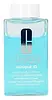
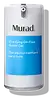
Clinique iD™ Dramatically Different™ Hydrating Clearing Jelly Versus Murad Clarifying Oil-Free Water Gel
This acne moisturizer is formulated around Lactic Acid and Zinc PCA to clear breakouts.
This oil-control moisturizer is formulated around Salicylic Acid to balance excess oil and clear breakouts.

What's inside
What's inside
 Key Ingredients
Benefits
Concerns
Ingredients Side-by-side
Water
Skin ConditioningPropanediol
Solvent

Glycerin
Humectant
Butylene Glycol
Humectant
Bis-PEG-18 Methyl Ether Dimethyl Silane
EmollientSodium Hyaluronate
Humectant


Laminaria Saccharina Extract
Skin Protecting

Pyrus Malus Fruit Extract
Skin Conditioning
Caffeine
Skin Conditioning
Lactic Acid
Buffering







Zinc PCA
Humectant

Acetyl Glucosamine
Skin Conditioning
Trehalose
Humectant
Hydroxyacetophenone
Antioxidant
Salicylic Acid
Masking


Ursolic Acid
MaskingLactobacillus Ferment
Skin Conditioning
Polysorbate 80
Emulsifying
Carbomer
Emulsion StabilisingXanthan Gum
EmulsifyingSodium Hydroxide
BufferingDisodium EDTA
ChelatingSodium Citrate
BufferingPhenoxyethanol
Preservative
CI 42090
Cosmetic ColorantWater, Propanediol, Glycerin, Butylene Glycol, Bis-PEG-18 Methyl Ether Dimethyl Silane, Sodium Hyaluronate, Laminaria Saccharina Extract, Pyrus Malus Fruit Extract, Caffeine, Lactic Acid, Zinc PCA, Acetyl Glucosamine, Trehalose, Hydroxyacetophenone, Salicylic Acid, Ursolic Acid, Lactobacillus Ferment, Polysorbate 80, Carbomer, Xanthan Gum, Sodium Hydroxide, Disodium EDTA, Sodium Citrate, Phenoxyethanol, CI 42090
Water
Skin ConditioningHamamelis Virginiana Water
Astringent
Glycerin
Humectant
Hydroxyethyl Urea
Humectant
Hydroxyethyl Acrylate/Sodium Acryloyldimethyl Taurate Copolymer
Emulsion StabilisingPropanediol
Solvent
Polymethylsilsesquioxane/Silica Crosspolymer
Dimethicone
Emollient
Tapioca Starch
Diisopropyl Sebacate
EmollientSalicylic Acid
Masking
Urea
Buffering
Yeast Amino Acids
HumectantTrehalose
Humectant
Inositol
Humectant
Taurine
BufferingBetaine
Humectant
Zingiber Officinale Root Extract
Masking
Bisabolol
Antioxidant
Sodium Hyaluronate
Humectant
Lysolecithin
EmulsifyingSclerotium Gum
Emulsion StabilisingPolyisobutene
Polysilicone-11
Polydextrose
HumectantDextrin
AbsorbentEthylhexyl Hydroxystearate
Emollient
Pullulan
Caprylhydroxamic Acid
ChelatingXanthan Gum
EmulsifyingAmylopectin
Niacinamide
Smoothing
Disodium EDTA
ChelatingPentylene Glycol
Skin Conditioning
Serine
Masking
Butylene Glycol
Humectant
PEG-7 Trimethylolpropane Coconut Ether
Emulsifying
Hydroxypropyl Cyclodextrin
MaskingGlyceryl Polyacrylate
Algin
MaskingDisodium Phosphate
BufferingSilica
Abrasive
Dipropylene Glycol
HumectantPinus Densiflora Leaf Extract
Antimicrobial
Decyl Glucoside
Cleansing
Potassium Phosphate
BufferingLactobacillus Ferment
Skin Conditioning
Caprylyl Glycol
Emollient
1,2-Hexanediol
Skin Conditioning
Sodium Hydroxide
BufferingCitric Acid
Buffering
Limonene
Perfuming

Hydroxycitronellal
Perfuming
Parfum
Masking
CI 42090
Cosmetic ColorantCI 17200
Cosmetic ColorantWater, Hamamelis Virginiana Water, Glycerin, Hydroxyethyl Urea, Hydroxyethyl Acrylate/Sodium Acryloyldimethyl Taurate Copolymer, Propanediol, Polymethylsilsesquioxane/Silica Crosspolymer, Dimethicone, Tapioca Starch, Diisopropyl Sebacate, Salicylic Acid, Urea, Yeast Amino Acids, Trehalose, Inositol, Taurine, Betaine, Zingiber Officinale Root Extract, Bisabolol, Sodium Hyaluronate, Lysolecithin, Sclerotium Gum, Polyisobutene, Polysilicone-11, Polydextrose, Dextrin, Ethylhexyl Hydroxystearate, Pullulan, Caprylhydroxamic Acid, Xanthan Gum, Amylopectin, Niacinamide, Disodium EDTA, Pentylene Glycol, Serine, Butylene Glycol, PEG-7 Trimethylolpropane Coconut Ether, Hydroxypropyl Cyclodextrin, Glyceryl Polyacrylate, Algin, Disodium Phosphate, Silica, Dipropylene Glycol, Pinus Densiflora Leaf Extract, Decyl Glucoside, Potassium Phosphate, Lactobacillus Ferment, Caprylyl Glycol, 1,2-Hexanediol, Sodium Hydroxide, Citric Acid, Limonene, Hydroxycitronellal, Parfum, CI 42090, CI 17200
Ingredients Explained
These ingredients are found in both products.
Ingredients higher up in an ingredient list are typically present in a larger amount.
Butylene Glycol (or BG) is used within cosmetic products for a few different reasons:
Overall, Butylene Glycol is a safe and well-rounded ingredient that works well with other ingredients.
Though this ingredient works well with most skin types, some people with sensitive skin may experience a reaction such as allergic rashes, closed comedones, or itchiness.
Learn more about Butylene GlycolCi 42090 is a synthetic dye created from petroleum. It is used to give a bright blue color to cosmetics, medicine, and food.
Disodium EDTA is a chelating agent. It grabs onto and deactivates metal ions that sneak into your products from water, packaging, or air.
This ingredient mainly works behind the scenes and helps with:
On top of that, this ingredient can counteract the effects of hard water by binding to the minerals in it.
One thing worth knowing is that Disodium EDTA has been shown to be a mild penetration enhancer. It can help other ingredients absorb into skin more effectively which can be a double-edged sword (great for actives, but can also make the active too strong if you have sensitive skin).
Clinical patch testing showed no significant skin irritation at typical use concentrations and minimal dermal absorption.
You'll most likely see this ingredient near the end of an ingredient list. It's typically found in concentrations less than 1%.
Learn more about Disodium EDTAGlycerin (or glycerol) is a compound naturally found in your skin. It's a powerhouse humectant that pulls water into the stratum corneum.
Topically, glycerin does several things at once:
Your skin makes glycerin on its own (mostly from sebaceous oil breakdown) and shuttles it to your outermost layer of skin, or your epidermis, via aquaporin-3.
Aquaporin-3 is a transporter that is essential for normal skin hydration, elasticity, and repair. Interestingly, mice lacking in AQP3 have dry and less elastic skin that can be fully corrected with glycerin.
This ingredient is non-irritating, plays well with almost every ingredient, and works across all skin types. Typical use is anywhere between 3-10% but can go up to 79% in some leave-on products.
Just know very high concentrations (>40%) can feel tacky in low humidity.
Glycerin is the name for this ingredient in American English. British English uses Glycerol/Glycerine.
Learn more about GlycerinThis ingredient is made when the Lactobacillus bacteria (the same kind that makes yogurt and kimchi) are allowed to ferment a nutrient medium.
As it ferments, it collects lactic acid, peptides, enzymes, and other bioactive metabolites to provide:
A 2023 review noted that probiotic fermentation ingredients like this one can enhance antioxidant capacity, reduce UV-induced oxidative damage, and support barrier function.
One clinical study from the same year showed a Lactobacillus ferment lysate significantly reduced transepidermal water loss and improved skin hydration.
Another review highlighted that topical Lactobacillus-based preparations can improve ceramide levels in the stratum corneum, support barrier integrity, and even help reduce S. aureus colonization in atopic dermatitis.
Why is this so cool?
Basically, your skin's outer layer works as a brick wall; skin cells are bricks and ceramides are the mortar holding it together. Moisture escapes, irritants get in, and your skin gets dry and reactive when ceramide levels drop. On top of that, "bad" skin bacteria S. aureus loves to move in when your barrier is weak to make inflammation and irritation worse.
So Lactobacillus ferment is basically patching the wall and evicting the troublemaker when it boosts ceramide production and help keep S. aureus in check.
On top of all this, it also acts as a mild antimicrobial preservative booster.
Just so you know, most studies focus on specific strains or the lysate form rather than this generic "Lactobacillus Ferment", so results can vary.
Though it's a promising ingredient, it doesn't have decades of robust clinical data behind it just yet.
Lactobacillus Ferment is generally considered safe for fungal-acne prone skin. The key thing to understand is that it comes from bacteria, not yeast or fungus.
Yeast-derived ferments (like galactomyces) have been shown to activate a protein that's linked to Malassezia-related skin issues whereas lactobacillus doesn't have that problem.
Its byproducts also don't contain the types of fatty acids (C11-24 chain lengths) that Malassezia feeds on.
Learn more about Lactobacillus FermentPropanediol is an all-star ingredient. It softens, hydrates, and smooths the skin.
It’s often used to:
Propanediol is not likely to cause sensitivity and considered safe to use. It is derived from corn or petroleum with a clear color and no scent.
Learn more about PropanediolSalicylic Acid (also known as beta hydroxy acid or BHA) is a well-known ingredient for treating skin that struggles with acne and clogged pores. It exfoliates both the skin's surface and deep within the pores to help clear out buildup, control oil, and reduce inflammation.
Unlike AHAs (alpha hydroxy acids), salicylic acid is oil-soluble. This allows it to penetrate into pores which makes it especially effective for treating blackheads and preventing future breakouts.
Salicylic acid is also known for its soothing properties. It has a similar structure to aspirin and can calm inflamed or irritated skin, making it a good option for acne-prone skin that is also sensitive.
Concentrations of 0.5-2% are recognized by the U.S. FDA as an over-the-counter topical acne product.
It can cause irritation and/or dryness if one's skin already has a compromised moisture barrier, so it's best to focus on repairing that before introducing this ingredient into your routine.
While salicylic acid does not increase sun sensitivity, it’s still important to wear sunscreen daily to protect your skin.
If you are looking for the ingredient called BHA or Butylated Hydroxyanisole, click here.
Learn more about Salicylic AcidSodium Hyaluronate is the salt form of hyaluronic acid. It is a long sugar chain that is naturally found in your skin, joints, and connective tissue that maintains hydration and elasticity.
In skincare, it works as a humectant. It pulls water from the environment and deeper layers of skin and binds it to the surface.
Interestingly, the size of the molecule affects its behavior:
Some clinical evidence links low molecular weight versions to improved wrinkle depth, elasticity, anti-inflammatory effects, and barrier repair.
Many serums use a blend of both weights so you can get surface hydration plus longer-lasting and deeper effects.
You'll typically see concentrations between 0.1-2% for this ingredient.
Learn more about Sodium HyaluronateSodium Hydroxide is also known as lye or caustic soda. It is used to adjust the pH of products; many ingredients require a specific pH to be effective.
In small amounts, sodium hydroxide is considered safe to use. However, large amounts may cause chemical burns due to its high alkaline.
Your skin has a natural pH and acid mantle. This acid mantle helps prevent harmful bacteria from breaking through. The acid mantle also helps keep your skin hydrated.
"Alkaline" refers to a high pH level. A low pH level would be considered acidic.
Learn more about Sodium HydroxideTrehalose is a disaccharide made of two glucose molecules (glucose is sugar!). Trehalose is used to help moisturize skin. It also has antioxidant properties.
As a humectant, trehalose helps draw moisture from the air to your skin. This helps keep your skin hydrated.
Due to its antioxidant properties, trehalose may help with signs of aging. Antioxidants help fight free-radical molecules, unstable molecules that may damage your skin.
In medicine, trehalose and hyaluronic acid are used to help treat dry eyes.
Some animals, plants, and bacteria create trehalose as a source of energy to survive freeze or lack of water.
Learn more about TrehaloseWater. It's the most common cosmetic ingredient of all. You'll usually see it at the top of ingredient lists, meaning that it makes up the largest part of the product.
So why is it so popular? Water most often acts as a solvent - this means that it helps dissolve other ingredients into the formulation.
You'll also recognize water as that liquid we all need to stay alive. If you see this, drink a glass of water. Remember to stay hydrated!
Learn more about WaterXanthan gum is used as a stabilizer and thickener within cosmetic products. It helps give products a sticky, thick feeling - preventing them from being too runny.
On the technical side of things, xanthan gum is a polysaccharide - a combination consisting of multiple sugar molecules bonded together.
Xanthan gum is a pretty common and great ingredient. It is a natural, non-toxic, non-irritating ingredient that is also commonly used in food products.
Learn more about Xanthan Gum

