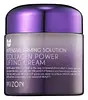
This anti-aging moisturizer is formulated around Houttuynia Cordata Extract and Copper Tripeptide-1 to soften the look of wrinkles.
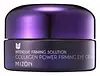
This anti-aging eye moisturizer is formulated around Adenosine and Copper Tripeptide-1 to soften the look of wrinkles.

What's inside
What's inside
 Key Ingredients
Benefits
Concerns
Ingredients Side-by-side
Water
Skin ConditioningHydrolyzed Collagen
Emollient

Houttuynia Cordata Extract
Skin Conditioning

Trehalose
Humectant
Sorbitan Isostearate
Emulsifying

Royal Jelly
Dextrin
AbsorbentCopper Tripeptide-1
Skin Conditioning

Polyisobutene
Theobroma Cacao Extract
Skin ConditioningBHT
Antioxidant
Glycerin
Humectant
Beta-Glucan
Skin Conditioning
Polyacrylate-13
Polysorbate 20
Emulsifying
Phenoxyethanol
Preservative
Cetearyl Dimethicone Crosspolymer

Cyclopentasiloxane
Emollient
Propanediol
Solvent
Iris Florentina Root Extract
MaskingDimethicone
Emollient
Adenosine
Skin Conditioning
Coptis Chinensis Root Extract
Antioxidant
Salvia Hispanica Seed Extract
Emollient
Ethylhexylglycerin
Skin ConditioningXanthan Gum
EmulsifyingBis-PEG-18 Methyl Ether Dimethyl Silane
EmollientCentella Asiatica Extract
Cleansing
Prunus Amygdalus Dulcis Seed Extract
Skin ConditioningPropolis Extract
Skin Conditioning

Carbomer
Emulsion StabilisingButylene Glycol
Humectant
Hydrolyzed Royal Jelly Protein
Skin Conditioning1,2-Hexanediol
Skin Conditioning
Cyclohexasiloxane
Emollient
Disodium EDTA
ChelatingSodium Hyaluronate
Humectant
Tromethamine
BufferingWater, Hydrolyzed Collagen, Houttuynia Cordata Extract, Trehalose, Sorbitan Isostearate, Royal Jelly, Dextrin, Copper Tripeptide-1, Polyisobutene, Theobroma Cacao Extract, BHT, Glycerin, Beta-Glucan, Polyacrylate-13, Polysorbate 20, Phenoxyethanol, Cetearyl Dimethicone Crosspolymer, Cyclopentasiloxane, Propanediol, Iris Florentina Root Extract, Dimethicone, Adenosine, Coptis Chinensis Root Extract, Salvia Hispanica Seed Extract, Ethylhexylglycerin, Xanthan Gum, Bis-PEG-18 Methyl Ether Dimethyl Silane, Centella Asiatica Extract, Prunus Amygdalus Dulcis Seed Extract, Propolis Extract, Carbomer, Butylene Glycol, Hydrolyzed Royal Jelly Protein, 1,2-Hexanediol, Cyclohexasiloxane, Disodium EDTA, Sodium Hyaluronate, Tromethamine
Water
Skin ConditioningButylene Glycol
Humectant
Glycerin
Humectant
Cyclopentasiloxane
Emollient
Cyclohexasiloxane
Emollient
Dimethicone
Emollient
Caprylyl Methicone
Skin Conditioning
1,2-Hexanediol
Skin Conditioning
Sodium Chloride
MaskingPEG-10 Dimethicone
Skin Conditioning
Cetearyl Dimethicone Crosspolymer
C30-45 Alkyl Cetearyl Dimethicone Crosspolymer
Emollient
Dimethicone/PEG-10/15 Crosspolymer
Sodium Citrate
BufferingPEG-9 Polydimethylsiloxyethyl Dimethicone
Emulsifying
Hydrolyzed Collagen
Emollient
Ethylhexylglycerin
Skin ConditioningAdenosine
Skin Conditioning
Disodium EDTA
ChelatingDipropylene Glycol
HumectantLimnanthes Alba Seed Oil
Skin Conditioning
Olea Europaea Fruit Oil
Masking


Helianthus Annuus Seed Oil
Emollient
Theobroma Cacao Seed Extract
Antioxidant
Sodium Hyaluronate
Humectant
Coptis Japonica Root Extract
Skin ConditioningArgania Spinosa Kernel Oil
Emollient

Tocopherol
Antioxidant

Mangifera Indica Seed Butter
Skin Conditioning
Honey Extract
Humectant
Beta-Glucan
Skin Conditioning
Fragaria Chiloensis Fruit Extract
Skin Conditioning
Glycine
Buffering
Caprylic/Capric Triglyceride
Masking
Serine
Masking
Glutamic Acid
Humectant
Rubus Idaeus Fruit Extract
AstringentAspartic Acid
Masking
Leucine
Skin ConditioningHydrogenated Lecithin
Emulsifying
Alanine
Masking
Lysine
Skin ConditioningArginine
Masking
Tyrosine
MaskingPhenylalanine
Masking
Proline
Skin Conditioning
Threonine
Valine
MaskingIsoleucine
Skin ConditioningHistidine
Humectant
Cysteine
Antioxidant
Methionine
Skin ConditioningFragaria Vesca Fruit Extract
AstringentPhytosteryl/Octyldodecyl Lauroyl Glutamate
Skin ConditioningCopper Tripeptide-1
Skin Conditioning
Ceramide NP
Skin Conditioning
Water, Butylene Glycol, Glycerin, Cyclopentasiloxane, Cyclohexasiloxane, Dimethicone, Caprylyl Methicone, 1,2-Hexanediol, Sodium Chloride, PEG-10 Dimethicone, Cetearyl Dimethicone Crosspolymer, C30-45 Alkyl Cetearyl Dimethicone Crosspolymer, Dimethicone/PEG-10/15 Crosspolymer, Sodium Citrate, PEG-9 Polydimethylsiloxyethyl Dimethicone, Hydrolyzed Collagen, Ethylhexylglycerin, Adenosine, Disodium EDTA, Dipropylene Glycol, Limnanthes Alba Seed Oil, Olea Europaea Fruit Oil, Helianthus Annuus Seed Oil, Theobroma Cacao Seed Extract, Sodium Hyaluronate, Coptis Japonica Root Extract, Argania Spinosa Kernel Oil, Tocopherol, Mangifera Indica Seed Butter, Honey Extract, Beta-Glucan, Fragaria Chiloensis Fruit Extract, Glycine, Caprylic/Capric Triglyceride, Serine, Glutamic Acid, Rubus Idaeus Fruit Extract, Aspartic Acid, Leucine, Hydrogenated Lecithin, Alanine, Lysine, Arginine, Tyrosine, Phenylalanine, Proline, Threonine, Valine, Isoleucine, Histidine, Cysteine, Methionine, Fragaria Vesca Fruit Extract, Phytosteryl/Octyldodecyl Lauroyl Glutamate, Copper Tripeptide-1, Ceramide NP
Ingredients Explained
These ingredients are found in both products.
Ingredients higher up in an ingredient list are typically present in a larger amount.
1,2-Hexanediol is a synthetic liquid and another multi-functional powerhouse.
It is a:
- Humectant, drawing moisture into the skin
- Emollient, helping to soften skin
- Solvent, dispersing and stabilizing formulas
- Preservative booster, enhancing the antimicrobial activity of other preservatives
Adenosine is a purine nucleoside that your body already makes in every cell. In skincare, it acts mainly as a skin conditioning and anti-aging agent.
The way it works is fairly well mapped out:
Your skin has cells called fibroblasts that build collagen (the stuff that keeps skin firm and smooth). Adenosine basically flips a switch on these cells that tells them to get to work making more collagen and other proteins. These cells slow down on their own as skin ages, so Adenosine helps give them a little nudge to keep going.
The clinical backing is pretty solid too.
A blind, randomized, placebo-controlled trial of 126 women aged 45-65 tested a 0.1% cream twice daily and found real improvements in crow's feet and frown lines using a precise 3D skin-mapping technique; these changes showed up by week 3 and held at 2 months.
A later study using Adenosine-loaded dissolving microneedle patches reported gains in wrinkle depth, dermal density, elasticity, and hydration.
On concentrations, South Korea's Ministry of Food and Drug Safety has set 0.04% as the approved functional anti-wrinkle level. You'll typically see this ingredient used somewhere in the 0.04-0.1% range since it works at low doses.
This ingredient has been found safe for cosmetics with the data showing no irritation or sensitization.
Overall, this is a great ingredient for any anti-aging routine and has no photosensitizing effect, so it suits both AM and PM use.
Learn more about AdenosineBeta-Glucan is a soluble polysaccharide (a chain of glucose sugars) sourced from the cells walls of oats, baker's yeast, mushrooms, and seaweed.
It's a rare ingredient that pulls double-duty as a heavy-duty hydrator and skin-soothing repair agent.
On the surface, it acts as a humectant that holds water in place and reduces moisture loss for a plumper, smoother feel, while its anti-inflammatory and antioxidant properties make it a great pick for calming redness or sensitive skin
The more interesting story is underneath:
Despite its large molecular size, oat beta-glucan has been shown to penetrate the epidermis and reach the dermis by slipping between skin cells. Here, it interacts with fibroblasts and macrophages to nudge collagen synthesis and support wound repair.
A small 2005 split-face clinical study of 27 subjects found topical beta-glucan produced measurable reductions in wrinkle depth, height, and roughness after 8 weeks of use.
It is worth noting the trial was small and the penetration testing used frozen, irradiated skin so the anti-aging data is encouraging rather than definitive.
This ingredient gets along with pretty much everything and is typically used around 0.1-1%.
Fungal acne: This ingredient is not a food source for the Malassezia yeast because it is a glucose polysaccharide with no fatty acid or ester component.
Learn more about Beta-GlucanButylene Glycol (or BG) is used within cosmetic products for a few different reasons:
Overall, Butylene Glycol is a safe and well-rounded ingredient that works well with other ingredients.
Though this ingredient works well with most skin types, some people with sensitive skin may experience a reaction such as allergic rashes, closed comedones, or itchiness.
Learn more about Butylene GlycolCetearyl Dimethicone Crosspolymer is a type of silicone.
Copper Tripeptide-1 (GHK-Cu) is a skin repairing ingredient said to boost collagen, improve firmness, and support skin regeneration.
It is a complex made up of a naturally occurring peptide (glycine-histidine-lysine) and copper, an essential trace element.
While studying wound healing, researchers noticed GHK-Cu stimulated hair follicle enlargement and growth by keeping hair in its active growth phase longer. This has made it a promising ingredient for hair regrowth treatments.
Some people have reported increased facial hair. While GHK-Cu can make your hair follicles bigger, it usually doesn’t turn soft, barely-visible facial hairs into thick, dark ones.
Anecdotal reports suggest that overusing copper peptides might lead to premature aging due to excess free copper or enzyme imbalances. This claim isn’t backed by large-scale studies.
Unfortunately, there are limited human studies for this ingredient. While early results are promising, many studies are either small, in-vitro, or not rigorously controlled.
For example, there is a 1998 study that explored the effects of copper tripeptide, vitamin C, tretinoin, and melatonin on skin repair and collagen synthesis.
After one month, increased procollagen production was seen in 7 out of 10 participants using copper tripeptide (more than those using vitamin C, melatonin, or tretinoin.
While the study was exploratory, it offers early evidence that copper tripeptide may support collagen production. Larger, well-designed trials are still needed to confirm its potential and understand individual responses.
Read more about other common types of peptides here:
Learn more about Copper Tripeptide-1Cyclohexasiloxane is a type of silicone more commonly known as D6. It is an emollient and solvent.
Cyclohexasiloxane is used to evenly distribute ingredients throughout the product. When applied to the skin, Cyclohexasiloxane evaporates and leaves behind a silky feel.
As an emollient, it can help the skin feel soft and hydrated. It is also used to reduce frizz in hair products.
Learn more about CyclohexasiloxaneCyclopentasiloxane (D5) is a lightweight silicone that mostly acts as an emollient and solvent in cosmetics. Its the reason your products feel silky, fast-spreading, and non-greasy.
Since D5 is volatile, it does its thing and then evaporates off the skin quickly.
The safety profile of this ingredient is reassuring; the US CIR Expert Panel concluded D5 is safe as used in cosmetics and Health Canada concluded that D5 is not harmful to human health or the environment as currently used in cosmetics
There's a study that people mention about D5 in a rat study showing tumors. This study is related to long-term inhalation of high D5 levels.
Regulatory bodies have judged this study to be not applicable in topical skincare since skin absorption of D5 is very low and we're not really inhaling huge amounts of D5.
The only restriction for this ingredient is environmental. The European Chemicals Agency (ECHA) restricted D5 in wash-off cosmetics at or above 0.1% due to their persistence in water.
Learn more about CyclopentasiloxaneDimethicone is a type of synthetic silicone created from natural materials such as quartz. It is also known as polydimethylsiloxane.
What it does:
Dimethicone comes in different viscosities:
Depending on the viscosity, dimethicone has different properties.
Ingredients lists don't always show which type is used, so we recommend reaching out to the brand if you have questions about the viscosity.
This ingredient is unlikely to cause irritation because it does not get absorbed into skin. However, people with silicone allergies should be careful about using this ingredient.
Note: Dimethicone may contribute to pilling. This is because it is not oil or water soluble, so pilling may occur when layered with products. When mixed with heavy oils in a formula, the outcome is also quite greasy.
Learn more about DimethiconeDisodium EDTA is a chelating agent. It grabs onto and deactivates metal ions that sneak into your products from water, packaging, or air.
This ingredient mainly works behind the scenes and helps with:
On top of that, this ingredient can counteract the effects of hard water by binding to the minerals in it.
One thing worth knowing is that Disodium EDTA has been shown to be a mild penetration enhancer. It can help other ingredients absorb into skin more effectively which can be a double-edged sword (great for actives, but can also make the active too strong if you have sensitive skin).
Clinical patch testing showed no significant skin irritation at typical use concentrations and minimal dermal absorption.
You'll most likely see this ingredient near the end of an ingredient list. It's typically found in concentrations less than 1%.
Learn more about Disodium EDTAEthylhexylglycerin is created from glycerin. It is a multitasker ingredient that:
The CIR Expert Panel found minimal skin absorption or sensitization of any kind in a safety assessment. Though this ingredient is considered well-tolerated, a small number of cases of allergic dermatitis have been published since 2002. Just be sure to patch test if you are unsure.
Industry-reported use ranges from 8% in rinse-off products and 2% in leave-on formulations.
Learn more about EthylhexylglycerinGlycerin (or glycerol) is a compound naturally found in your skin. It's a powerhouse humectant that pulls water into the stratum corneum.
Topically, glycerin does several things at once:
Your skin makes glycerin on its own (mostly from sebaceous oil breakdown) and shuttles it to your outermost layer of skin, or your epidermis, via aquaporin-3.
Aquaporin-3 is a transporter that is essential for normal skin hydration, elasticity, and repair. Interestingly, mice lacking in AQP3 have dry and less elastic skin that can be fully corrected with glycerin.
This ingredient is non-irritating, plays well with almost every ingredient, and works across all skin types. Typical use is anywhere between 3-10% but can go up to 79% in some leave-on products.
Just know very high concentrations (>40%) can feel tacky in low humidity.
Glycerin is the name for this ingredient in American English. British English uses Glycerol/Glycerine.
Learn more about GlycerinHydrolyzed Collagen is Collagen (usually sourced from fish, bovine, or porcine byproducts) that's been broken down into smaller peptides. This makes it water-soluble and easy to blend into formulations.
In a formula, it works mainly as a skin-conditioning and moisturizing agent.
The small peptides and amino acids (including Natural Moisturizing Factor components like Hydroxyproline, Serine, and Aspartic Acid) help the surface of the skin hold onto water, feel softer, and look temporarily plumper.
This ingredient also has mild film-forming and antioxidant properties with research showing the antioxidant effect is stronger the lower the molecular weight of the peptides.
It's worth being realistic here:
Topically applied Hydrolyzed Collagen conditions the upper layers of skin rather than rebuilding the structural collagen deep in your dermis (the wrinkle-and-firmness benefits people associate with Collagen mostly come from oral supplements in studies, not topicals).
However, recent lab and skin-model work on Hydrolyzed Fish Collagen has shown promising effects on cell viability and wound healing when used as an active.
Typical concentrations range from 0.2-2%, but the percentage can go much higher in rinse-off or hair products (sometimes even above 50%).
Clinical studies on this ingredient showed no irritation, sensitization, or phototoxicity.
If you are looking for vegan collagen, it usually goes by a different INCI name like hydrolyzed soy protein. Vegan collagen is derived from yeast, bacteria, or plant sources.
The results are varied.
A study from 2021 found hydrolyzed collagen increased elasticity and improved wrinkles in 1,125 participants between age 20 and 70. Another study found increased skin thickness in participants between the ages of 45 to 59.
However, It is difficult to prove that oral collagen will end up working on your skin. Many of the studies using hydrolyzed collagen also add several vitamins and nutrients into the test mixture as well.
Further studies are needed at this time.
Learn more about Hydrolyzed CollagenSodium Hyaluronate is the salt form of hyaluronic acid. It is a long sugar chain that is naturally found in your skin, joints, and connective tissue that maintains hydration and elasticity.
In skincare, it works as a humectant. It pulls water from the environment and deeper layers of skin and binds it to the surface.
Interestingly, the size of the molecule affects its behavior:
Some clinical evidence links low molecular weight versions to improved wrinkle depth, elasticity, anti-inflammatory effects, and barrier repair.
Many serums use a blend of both weights so you can get surface hydration plus longer-lasting and deeper effects.
You'll typically see concentrations between 0.1-2% for this ingredient.
Learn more about Sodium HyaluronateWater. It's the most common cosmetic ingredient of all. You'll usually see it at the top of ingredient lists, meaning that it makes up the largest part of the product.
So why is it so popular? Water most often acts as a solvent - this means that it helps dissolve other ingredients into the formulation.
You'll also recognize water as that liquid we all need to stay alive. If you see this, drink a glass of water. Remember to stay hydrated!
Learn more about Water

