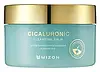
This oil-based cleanser is made to cleanse without leaving your skin tight or dry.
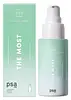
This hydrating serum is formulated around Hyaluronic Acid and Sodium Hyaluronate to hydrate skin and strengthen the skin barrier.


What's inside
What's inside
 Key Ingredients
Benefits
Concerns
Ingredients Side-by-side
Cetyl Ethylhexanoate
EmollientCaprylic/Capric Triglyceride
Masking


PEG-20 Glyceryl Triisostearate
Emollient

Polyethylene
Abrasive

PEG-10 Isostearate
Emulsifying
Centella Asiatica Extract
Cleansing




Aloe Barbadensis Flower Extract
EmollientAmber Powder
Coccinia Indica Fruit Extract
Skin Conditioning
Corallina Officinalis Extract
Skin Conditioning
Curcuma Longa Root Extract
Antioxidant

Melia Azadirachta Flower Extract
Skin ConditioningMelia Azadirachta Leaf Extract
Skin ConditioningOcimum Sanctum Leaf Extract
Skin ConditioningSolanum Melongena Fruit Extract
Skin ConditioningMoringa Oleifera Seed Oil
Emollient
Simmondsia Chinensis Seed Oil
Emollient
Sorbitan Sesquioleate
Emulsifying
Butylene Glycol
Humectant
Hyaluronic Acid
Humectant
Hydrolyzed Hyaluronic Acid
Humectant
Hydrolyzed Sodium Hyaluronate
Skin Conditioning
Hydroxypropyltrimonium Hyaluronate
Potassium Hyaluronate
Skin ConditioningSodium Acetylated Hyaluronate
Humectant
Sodium Hyaluronate
Humectant
Sodium Hyaluronate Crosspolymer
Humectant
Pentylene Glycol
Skin Conditioning
1,2-Hexanediol
Skin Conditioning
Phenoxyethanol
Preservative
Parfum
Masking

Cetyl Ethylhexanoate, Caprylic/Capric Triglyceride, PEG-20 Glyceryl Triisostearate, Polyethylene, PEG-10 Isostearate, Centella Asiatica Extract, Aloe Barbadensis Flower Extract, Amber Powder, Coccinia Indica Fruit Extract, Corallina Officinalis Extract, Curcuma Longa Root Extract, Melia Azadirachta Flower Extract, Melia Azadirachta Leaf Extract, Ocimum Sanctum Leaf Extract, Solanum Melongena Fruit Extract, Moringa Oleifera Seed Oil, Simmondsia Chinensis Seed Oil, Sorbitan Sesquioleate, Butylene Glycol, Hyaluronic Acid, Hydrolyzed Hyaluronic Acid, Hydrolyzed Sodium Hyaluronate, Hydroxypropyltrimonium Hyaluronate, Potassium Hyaluronate, Sodium Acetylated Hyaluronate, Sodium Hyaluronate, Sodium Hyaluronate Crosspolymer, Pentylene Glycol, 1,2-Hexanediol, Phenoxyethanol, Parfum
Water
Skin ConditioningGlycerin
Humectant
Carthamus Tinctorius Seed Oil
Masking
Propanediol
Solvent
Dimethyl Isosorbide
SolventGlucuronolactone
Skin ConditioningLeuconostoc/Radish Root Ferment Filtrate
Antimicrobial
Bisabolol
Antioxidant
Polysorbate 20
Emulsifying
Hyaluronic Acid
Humectant
Sodium Hyaluronate
Humectant
Sodium Hyaluronate Crosspolymer-3
HumectantSodium PCA
Humectant
Panthenol
Skin Conditioning
Saccharomyces/Xylinum/Black Tea Ferment
Skin Conditioning
Euterpe Oleracea Fruit Extract
Madecassoside
Antioxidant
Glycyrrhiza Glabra Root Extract
Bleaching

Chondrus Crispus Extract
Skin Conditioning
Allantoin
Skin Conditioning
Hydrolyzed Jojoba Esters
Skin Conditioning
Gluconolactone
Chelating



Sodium Lactate
Buffering
Sodium Gluconate
ChelatingHydroxyethylcellulose
Emulsion StabilisingSodium Benzoate
Masking
Sclerotium Gum
Emulsion StabilisingHydroxyethyl Acrylate/Sodium Acryloyldimethyl Taurate Copolymer
Emulsion StabilisingPotassium Sorbate
Preservative
Phenoxyethanol
Preservative
Water, Glycerin, Carthamus Tinctorius Seed Oil, Propanediol, Dimethyl Isosorbide, Glucuronolactone, Leuconostoc/Radish Root Ferment Filtrate, Bisabolol, Polysorbate 20, Hyaluronic Acid, Sodium Hyaluronate, Sodium Hyaluronate Crosspolymer-3, Sodium PCA, Panthenol, Saccharomyces/Xylinum/Black Tea Ferment, Euterpe Oleracea Fruit Extract, Madecassoside, Glycyrrhiza Glabra Root Extract, Chondrus Crispus Extract, Allantoin, Hydrolyzed Jojoba Esters, Gluconolactone, Sodium Lactate, Sodium Gluconate, Hydroxyethylcellulose, Sodium Benzoate, Sclerotium Gum, Hydroxyethyl Acrylate/Sodium Acryloyldimethyl Taurate Copolymer, Potassium Sorbate, Phenoxyethanol
Ingredients Explained
These ingredients are found in both products.
Ingredients higher up in an ingredient list are typically present in a larger amount.
Hyaluronic acid (HA) is a glycosaminoglycan (basically a long sugar chain) that your skin already makes on its own. In your skin, HA lives in the extracellular matrix and acts as the body's moisture reservoir.
Topically, HA is a humectant that binds water and helps skin look more plump, smooth, and hydrated.
The only catch is that HA isn't a single thing; it actually comes in a wide range of molecular weights (~50 - 2,000+ kDA) and size matters.
Some clinical evidence links low molecular weight versions to improved wrinkle depth, elasticity, anti-inflammatory effects, and barrier repair.
This is why the best HA serums blend the two sizes together so you get the best of both worlds.
The majority of cosmetic HA is produced by bacterial fermentation, typically using Streptococcus or Bacillus strains. Typical use levels in skincare sit around 0.1-2%.
A clinical study using a 0.2% low-molecular weight HA gel showed improvement in facial seborrheic dermatitis with excellent tolerance.
These are some other common types of Hyaluronic Acid:
Learn more about Hyaluronic AcidPhenoxyethanol is one of the most widely used preservatives in skincare (and for good reason!).
It has a large spectrum of antimicrobial activity and especially effective bacteria, yeast, and mold while only having a weak effect on your skin's natural microbiome.
On a cellular level, it disrupts the cell membranes of microbes by poking holes that make the cell leak. This shuts down the chemical reactions the microbe needs to make energy so it can no longer survive.
Another perk of this ingredient is that it stays functional across a wide pH range (3-10).
You'll often see it paired with boosters like Ethylhexylglycerin; one study showed that a 1:9 ratio of Ethylhexylglycerin to Phenoxyethanol damages bacterial membranes as effectively as doubling the Phenoxyethanol concentration on its own.
Typical use concentrations range from 0.3-1% depending on the formula, and this ingredient is capped at 1% int the EU.
Safety-wise, the fear mongering does not hold up to the evidence. The EU's Scientific Committee on Consumer Safety and FDA consider it safe as a preservative at up to 1%, including for children of all ages.
Adverse systemic effects only showed up in animal studies at exposures roughly 200x higher than what people get from cosmetics. And despite its very widespread use, this ingredient is a rare sensitizer and allergic reactions are uncommon.
Learn more about PhenoxyethanolSodium Hyaluronate is the salt form of hyaluronic acid. It is a long sugar chain that is naturally found in your skin, joints, and connective tissue that maintains hydration and elasticity.
In skincare, it works as a humectant. It pulls water from the environment and deeper layers of skin and binds it to the surface.
Interestingly, the size of the molecule affects its behavior:
Some clinical evidence links low molecular weight versions to improved wrinkle depth, elasticity, anti-inflammatory effects, and barrier repair.
Many serums use a blend of both weights so you can get surface hydration plus longer-lasting and deeper effects.
You'll typically see concentrations between 0.1-2% for this ingredient.
Learn more about Sodium Hyaluronate

