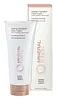
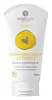
Mineral Fusion Intense Hydration Face Cream Versus BasicLab Krem nawilżający do twarzy bogata konsystencja
This barrier-repair moisturizer is formulated around Butyrospermum Parkii Butter and Palmitoyl Tripeptide-5 to strengthen the skin barrier and hydrate skin.
This barrier-repair moisturizer is formulated around Macadamia Ternifolia Seed Oil and Aloe Barbadensis Leaf Juice to strengthen the skin barrier and hydrate skin.


What's inside
What's inside
 Key Ingredients
Benefits
Concerns
Ingredients Side-by-side
Water
Skin ConditioningGlycerin
Humectant


Cetearyl Olivate


Sorbitan Olivate
Emulsifying
Ethylhexyl Palmitate
Emollient


Dicaprylyl Carbonate
EmollientGlyceryl Stearate Se
Emulsifying
Caprylic/Capric Triglyceride
Masking
Linum Usitatissimum Seed Oil
Perfuming

Butyrospermum Parkii Butter
Skin Conditioning
Helianthus Annuus Seed Oil
Emollient
Arnica Montana Flower Extract
Masking
Rosa Canina Seed Oil
Emollient
Chamomilla Recutita Flower/Leaf/Stem Extract
Skin Conditioning
Lavandula Angustifolia Flower Extract
Cleansing

Camellia Sinensis Leaf Extract
Antimicrobial





Aloe Barbadensis Leaf Juice
Skin Conditioning
Calendula Officinalis Flower Extract
Masking
Hematite Extract
Skin ProtectingMalachite Extract
Antioxidant
Smithsonite Extract
Antioxidant
Rhodochrosite Extract
Antioxidant
Palmitoyl Tripeptide-5
Skin Conditioning

Gluconolactone
Chelating

Sodium Benzoate
Masking
Calcium Gluconate
HumectantPropanediol
Solvent
Benzyl Alcohol
Perfuming

Pentylene Glycol
Skin Conditioning
Parfum
Masking
Sodium PCA
Humectant
Sodium Hyaluronate
Humectant
Panthenol
Skin Conditioning
Sorbic Acid
Preservative
Citric Acid
Buffering
Water, Glycerin, Cetearyl Olivate, Sorbitan Olivate, Ethylhexyl Palmitate, Dicaprylyl Carbonate, Glyceryl Stearate Se, Caprylic/Capric Triglyceride, Linum Usitatissimum Seed Oil, Butyrospermum Parkii Butter, Helianthus Annuus Seed Oil, Arnica Montana Flower Extract, Rosa Canina Seed Oil, Chamomilla Recutita Flower/Leaf/Stem Extract, Lavandula Angustifolia Flower Extract, Camellia Sinensis Leaf Extract, Aloe Barbadensis Leaf Juice, Calendula Officinalis Flower Extract, Hematite Extract, Malachite Extract, Smithsonite Extract, Rhodochrosite Extract, Palmitoyl Tripeptide-5, Gluconolactone, Sodium Benzoate, Calcium Gluconate, Propanediol, Benzyl Alcohol, Pentylene Glycol, Parfum, Sodium PCA, Sodium Hyaluronate, Panthenol, Sorbic Acid, Citric Acid
Water
Skin ConditioningMacadamia Ternifolia Seed Oil
Emollient
Aloe Barbadensis Leaf Juice
Skin Conditioning
Cetearyl Alcohol
Emollient
Glycerin
Humectant
Glyceryl Stearate Citrate
Emollient
Pentylene Glycol
Skin Conditioning
Butyrospermum Parkii Butter
Skin Conditioning
Borago Officinalis Seed Oil
Emollient
Sodium Hyaluronate
Humectant
Cucumis Sativus Fruit Extract
Emollient
Nelumbo Nucifera Flower Extract
Skin ConditioningNymphaea Coerulea Flower Extract
Skin ConditioningRosa Damascena Flower Water
Masking
Trehalose
Humectant
Allantoin
Skin Conditioning
Calcium Gluconate
HumectantCopper Gluconate
Skin Conditioning
Gluconolactone
Chelating
Hydroxyacetophenone
Antioxidant
Magnesium Aspartate
Skin ConditioningPanthenol
Skin Conditioning
Propanediol
Solvent
Potassium Sorbate
Preservative
Sodium Benzoate
Masking
Tocopherol
Antioxidant

Zinc Gluconate
Skin Conditioning
Water, Macadamia Ternifolia Seed Oil, Aloe Barbadensis Leaf Juice, Cetearyl Alcohol, Glycerin, Glyceryl Stearate Citrate, Pentylene Glycol, Butyrospermum Parkii Butter, Borago Officinalis Seed Oil, Sodium Hyaluronate, Cucumis Sativus Fruit Extract, Nelumbo Nucifera Flower Extract, Nymphaea Coerulea Flower Extract, Rosa Damascena Flower Water, Trehalose, Allantoin, Calcium Gluconate, Copper Gluconate, Gluconolactone, Hydroxyacetophenone, Magnesium Aspartate, Panthenol, Propanediol, Potassium Sorbate, Sodium Benzoate, Tocopherol, Zinc Gluconate
Ingredients Explained
These ingredients are found in both products.
Ingredients higher up in an ingredient list are typically present in a larger amount.
Aloe Barbadensis Leaf Juice is the filtered, stabilized liquid pressed from the inner gel of the aloe vera leaf.
In cosmetics, it shows up as either soothing active or a water-replacement base. It is roughly 98-99% water and the last 1-2% is an interesting mix of polysaccharides, amino acids, vitamins, minerals, and enzymes.
The polysaccharides do most of the work: they bind water at the skin surface for a light, non-greasy hydration boost. And one of the polysaccharides, glycomannan, is linked to fibroblast stimulation + collagen synthesis. This is also why aloe has such a long track record in wound and burn healing.
This ingredient is also calming with anti-inflammatory and mild antimicrobial activity, making it a great pick for sensitive, irritated, or post-sun skin.
Realistic expectations matter though; the solid evidence is mostly limited to hydration, soothing, and wound support. Deeper claims about anti-aging or sun protection are not well backed, and science reviews note it does not prevent radiation-induced skin injury.
Because it plays well with almost everything, it's commonly used as a base alongside other actives like niacinamide or vitamin C.
Typical usage concentrations range from 0.5% (where hydration benefits already show up) all the way to 90%+ (where it replaces water as the main base).
The safety for this ingredient is well-establish as well. Overall, this is a great supporting ingredient for those who want a boost in hydration.
Learn more about Aloe Barbadensis Leaf JuiceThis ingredient is also known as shea butter. It is a plant-derived extract from the nuts of the Africa shea tree and one of the most well-studied emollients.
Because it has a high concentration of fatty acids (primarily oleic, stearic, and linoleic) it is able to form a protective barrier on the skin's surface. This helps seal in moisture and prevents transepidermal water loss (TEWL).
In vitro research found an increase in skin hydration by 58% and a decrease in TEWL by 37.8% after 24 hours of applying this ingredient (pretty impressive for a single ingredient!).
Besides hydration, shea butter also contains triterpenes that have anti-inflammatory potential. In particule, lupeol cinnamate has shown the highest anti-inflammatory activity in vivo.
Shea butter also contains vitamins A and E which may contribute to antioxidant activity.
While Shea Butter has an SPF rating of about 3-4, it is not a sunscreen replacement.
This ingredient may not be fungal acne safe because its fatty acids fall within the C11-C24 range that the Malassezia yeast can metabolize.
This ingredient shows up on a lot of "pore-clogging" lists but there's no real evidence behind that. It doesn't even have a comedogenic rating from an actual study; the numbers you'll find online come from blogs citing other blogs.
Ratings for other ingredients mostly come from a 1980s rabbit ear test. This test doesn't translate well to human skin or to real products because the ingredient sits at a much lower percentage.
Some people still find it breaks them out. So if that's you, definitely trust your skin. Just know this one's based on experience and not evidence.
Learn more about Butyrospermum Parkii ButterThis ingredient is calcium salt of gluconic acid. It is a humectant, meaning it attracts water to your skin.
Gluconolactone is a PHA. PHAs are a great gentle alternative to traditional AHAs.
When applied, Gluconolactone has the same affect on skin as AHAs such as lactic acid. It helps dissolve the dead skin cells in the top layer of your skin. This improves texture and brightens the skin.
PHAs are more gentle than AHAs due to their larger structure. They do not penetrate as deeply as AHAs and take a longer time to dissolve dead cells. Studies show PHAs do not cause as much irritation.
Gluconolactone has some interesting properties:
In a 2004 study, Gluconolactone was found to prevent UV damage in mouse skin cells and has not been found to increase sun sensitivity. However, we still recommend wearing SPF daily.
This ingredient is is an created by reacting gluconic acid with an alcohol.
Learn more about GluconolactoneGlycerin (or glycerol) is a compound naturally found in your skin. It's a powerhouse humectant that pulls water into the stratum corneum.
Topically, glycerin does several things at once:
Your skin makes glycerin on its own (mostly from sebaceous oil breakdown) and shuttles it to your outermost layer of skin, or your epidermis, via aquaporin-3.
Aquaporin-3 is a transporter that is essential for normal skin hydration, elasticity, and repair. Interestingly, mice lacking in AQP3 have dry and less elastic skin that can be fully corrected with glycerin.
This ingredient is non-irritating, plays well with almost every ingredient, and works across all skin types. Typical use is anywhere between 3-10% but can go up to 79% in some leave-on products.
Just know very high concentrations (>40%) can feel tacky in low humidity.
Glycerin is the name for this ingredient in American English. British English uses Glycerol/Glycerine.
Learn more about GlycerinPanthenol is a common ingredient that helps hydrate and soothe the skin. It is found naturally in our skin and hair.
There are two forms of panthenol: D and L.
D-panthenol is also known as dexpanthenol. Most cosmetics use dexpanthenol or a mixture of D and L-panthenol.
Panthenol is famous due to its ability to go deeper into the skin's layers. Using this ingredient has numerous pros (and no cons):
Like hyaluronic acid, panthenol is a humectant. Humectants are able to bind and hold large amounts of water to keep skin hydrated.
This ingredient works well for wound healing. It works by increasing tissue in the wound and helps close open wounds.
Once oxidized, panthenol converts to pantothenic acid. Panthothenic acid is found in all living cells.
This ingredient is also referred to as pro-vitamin B5.
Learn more about PanthenolPentylene Glycol (1,2-pentanediol) is a multitasking little diol with three main roles in a formula:
Research on alkanediols (the family pentylene glycol belongs to) show they work by disrupting microbial cell membranes. This disruption helps the primary preservative system in a product work more effectively at lower doses.
On the safety side, the Cosmetic Ingredient Review Expert Panel has concluded this ingredient to be safe as used in current cosmetic practices + concentrations.
Typical use levels in a formula run about 1-5%.
Learn more about Pentylene GlycolPropanediol is an all-star ingredient. It softens, hydrates, and smooths the skin.
It’s often used to:
Propanediol is not likely to cause sensitivity and considered safe to use. It is derived from corn or petroleum with a clear color and no scent.
Learn more about PropanediolSodium Benzoate is a preservative. It's used in both cosmetic and food products to inhibit the growth of mold and bacteria. It is typically produced synthetically.
Both the US FDA and EU Health Committee have approved the use of sodium benzoate. In the US, levels of 0.1% (of the total product) are allowed.
Sodium benzoate works as a preservative by inhibiting the growth of bacteria inside of cells. It prevents the cell from fermenting a type of sugar using an enzyme called phosphofructokinase.
It is the salt of benzoic acid. Foods containing sodium benzoate include soda, salad dressings, condiments, fruit juices, wines, and snack foods.
Studies for using ascorbic acid and sodium benzoate in cosmetics are lacking, especially in skincare routines with multiple steps.
We always recommend speaking with a professional, such as a dermatologist, if you have any concerns.
Learn more about Sodium BenzoateSodium Hyaluronate is the salt form of hyaluronic acid. It is a long sugar chain that is naturally found in your skin, joints, and connective tissue that maintains hydration and elasticity.
In skincare, it works as a humectant. It pulls water from the environment and deeper layers of skin and binds it to the surface.
Interestingly, the size of the molecule affects its behavior:
Some clinical evidence links low molecular weight versions to improved wrinkle depth, elasticity, anti-inflammatory effects, and barrier repair.
Many serums use a blend of both weights so you can get surface hydration plus longer-lasting and deeper effects.
You'll typically see concentrations between 0.1-2% for this ingredient.
Learn more about Sodium HyaluronateWater. It's the most common cosmetic ingredient of all. You'll usually see it at the top of ingredient lists, meaning that it makes up the largest part of the product.
So why is it so popular? Water most often acts as a solvent - this means that it helps dissolve other ingredients into the formulation.
You'll also recognize water as that liquid we all need to stay alive. If you see this, drink a glass of water. Remember to stay hydrated!
Learn more about Water

