Alba Botanica Hawaiian Oil-Free Moisturizer With Aloe & Green Tea Versus Mineral Fusion Intense Hydration Face Cream
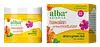
This calming moisturizer is formulated around Aloe Barbadensis Leaf Juice and Camellia Sinensis Leaf Extract to calm redness and hydrate skin.
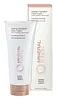
This barrier-repair moisturizer is formulated around Butyrospermum Parkii Butter and Palmitoyl Tripeptide-5 to strengthen the skin barrier and hydrate skin.

What's inside
What's inside
 Key Ingredients
Benefits
Concerns
Ingredients Side-by-side
Water
Skin ConditioningGlycerin
Humectant


Cetearyl Alcohol
Emollient






Ethylhexyl Palmitate
Emollient
Caprylic/Capric Triglyceride
Masking
Glyceryl Stearate
Emollient
Aloe Barbadensis Leaf Juice
Skin Conditioning

Dimethicone
Emollient
Glyceryl Laurate
Emollient
Stearic Acid
Cleansing
Camellia Sinensis Leaf Extract
Antimicrobial




Carica Papaya Fruit Extract
Skin ConditioningCentella Asiatica Extract
Cleansing
Cucumis Sativus Fruit Extract
Emollient
Hedychium Coronarium Root Extract
MaskingAllantoin
Skin Conditioning
Hyaluronic Acid
Humectant
Panthenol
Skin Conditioning
Sodium PCA
Humectant
Tocopherol
Antioxidant

Tocopheryl Acetate
Antioxidant
Tromethamine
BufferingXanthan Gum
EmulsifyingEthylhexylglycerin
Skin ConditioningPhenoxyethanol
Preservative
Alpha-Isomethyl Ionone
Perfuming



Benzyl Benzoate
Antimicrobial
Limonene
Perfuming
Linalool
Perfuming
Parfum
Masking
Water, Glycerin, Cetearyl Alcohol, Ethylhexyl Palmitate, Caprylic/Capric Triglyceride, Glyceryl Stearate, Aloe Barbadensis Leaf Juice, Dimethicone, Glyceryl Laurate, Stearic Acid, Camellia Sinensis Leaf Extract, Carica Papaya Fruit Extract, Centella Asiatica Extract, Cucumis Sativus Fruit Extract, Hedychium Coronarium Root Extract, Allantoin, Hyaluronic Acid, Panthenol, Sodium PCA, Tocopherol, Tocopheryl Acetate, Tromethamine, Xanthan Gum, Ethylhexylglycerin, Phenoxyethanol, Alpha-Isomethyl Ionone, Benzyl Benzoate, Limonene, Linalool, Parfum
Water
Skin ConditioningGlycerin
Humectant
Cetearyl Olivate
Sorbitan Olivate
Emulsifying
Ethylhexyl Palmitate
Emollient
Dicaprylyl Carbonate
EmollientGlyceryl Stearate Se
Emulsifying
Caprylic/Capric Triglyceride
Masking
Linum Usitatissimum Seed Oil
Perfuming
Butyrospermum Parkii Butter
Skin Conditioning
Helianthus Annuus Seed Oil
Emollient
Arnica Montana Flower Extract
Masking
Rosa Canina Seed Oil
Emollient
Chamomilla Recutita Flower/Leaf/Stem Extract
Skin Conditioning
Lavandula Angustifolia Flower Extract
Cleansing
Camellia Sinensis Leaf Extract
Antimicrobial
Aloe Barbadensis Leaf Juice
Skin Conditioning
Calendula Officinalis Flower Extract
Masking
Hematite Extract
Skin ProtectingMalachite Extract
Antioxidant
Smithsonite Extract
Antioxidant
Rhodochrosite Extract
Antioxidant
Palmitoyl Tripeptide-5
Skin Conditioning
Gluconolactone
Chelating

Sodium Benzoate
Masking
Calcium Gluconate
HumectantPropanediol
Solvent
Benzyl Alcohol
Perfuming
Pentylene Glycol
Skin Conditioning
Parfum
Masking
Sodium PCA
Humectant
Sodium Hyaluronate
Humectant
Panthenol
Skin Conditioning
Sorbic Acid
Preservative
Citric Acid
Buffering
Water, Glycerin, Cetearyl Olivate, Sorbitan Olivate, Ethylhexyl Palmitate, Dicaprylyl Carbonate, Glyceryl Stearate Se, Caprylic/Capric Triglyceride, Linum Usitatissimum Seed Oil, Butyrospermum Parkii Butter, Helianthus Annuus Seed Oil, Arnica Montana Flower Extract, Rosa Canina Seed Oil, Chamomilla Recutita Flower/Leaf/Stem Extract, Lavandula Angustifolia Flower Extract, Camellia Sinensis Leaf Extract, Aloe Barbadensis Leaf Juice, Calendula Officinalis Flower Extract, Hematite Extract, Malachite Extract, Smithsonite Extract, Rhodochrosite Extract, Palmitoyl Tripeptide-5, Gluconolactone, Sodium Benzoate, Calcium Gluconate, Propanediol, Benzyl Alcohol, Pentylene Glycol, Parfum, Sodium PCA, Sodium Hyaluronate, Panthenol, Sorbic Acid, Citric Acid
Ingredients Explained
These ingredients are found in both products.
Ingredients higher up in an ingredient list are typically present in a larger amount.
Aloe Barbadensis Leaf Juice is the filtered, stabilized liquid pressed from the inner gel of the aloe vera leaf.
In cosmetics, it shows up as either soothing active or a water-replacement base. It is roughly 98-99% water and the last 1-2% is an interesting mix of polysaccharides, amino acids, vitamins, minerals, and enzymes.
The polysaccharides do most of the work: they bind water at the skin surface for a light, non-greasy hydration boost. And one of the polysaccharides, glycomannan, is linked to fibroblast stimulation + collagen synthesis. This is also why aloe has such a long track record in wound and burn healing.
This ingredient is also calming with anti-inflammatory and mild antimicrobial activity, making it a great pick for sensitive, irritated, or post-sun skin.
Realistic expectations matter though; the solid evidence is mostly limited to hydration, soothing, and wound support. Deeper claims about anti-aging or sun protection are not well backed, and science reviews note it does not prevent radiation-induced skin injury.
Because it plays well with almost everything, it's commonly used as a base alongside other actives like niacinamide or vitamin C.
Typical usage concentrations range from 0.5% (where hydration benefits already show up) all the way to 90%+ (where it replaces water as the main base).
The safety for this ingredient is well-establish as well. Overall, this is a great supporting ingredient for those who want a boost in hydration.
Learn more about Aloe Barbadensis Leaf JuiceCamellia Sinensis Leaf Extract (tea extract) is one of the most well-researched plant extracts in skincare with an impressive resume.
Black tea, green tea, and oolong tea are all harvested from the Camellia Sinensis plant.
Studies show green tea extract and its catechins (like epigallocatechin gallate (EGCG)) help your skin cells product energy more efficiently and reducing the number of free-radicals that can damage your skin from the inside.
In lab-grown skin models, this translated to younger, healthier, and stronger skin.
There's also good sun protection data; researchers saw less DNA damage and redness on human skin when green tea was applied before UVB exposure. And the more they applied, the better the protection.
Needless to say, this ingredient shouldn't replace your sunscreen. But it is a great supportive ingredient that you can already find in many sunscreens and antioxidant serums.
A 2009 study found a 2% green tea lotion was effective for mild-to-moderate acne thanks to its anti-inflammatory and mild antimicrobial activity.
The quality of the extract matters a lot here:
Good extracts contain 50-90% catechins while lower quality ones are mostly there for marketing. We recommend reaching out to the brand if you have questions about the quality or source of their ingredients.
Human Repeated Insult Patch Testing showed no irritation or sensitization at use concentrations (0.86% in leave-on products and up to 30% as leaf water).
Learn more about Camellia Sinensis Leaf ExtractCaprylic/Capric Triglyceride (aka MCT Oil) is a lightweight emollient, solvent, and texture enhancer. It is considered a skin-softener by helping to prevent moisture loss.
Though it behaves like an oil, it is not technically one due to its chemical composition. One perk of this ingredient is that it is very stable, resistant to oxidation, and unlikely to go rancid.
In practice, that translates to a long shelf life and a consistently elegant skin feel.
While there is an assumption Caprylic Triglyceride can clog pores due to it being derived from coconut oil, there is no research supporting this. Just patch test if you have concerns.
Fractionated coconut oil and MCT Oil are both listed as Caprylic/Capric Triglyceride according to INCI. This is because INCI names are based on the ingredient’s final chemical composition and not its marketing name or source.
This ingredient is treated as the gold standard fungal acne safe oil. Even though it is coconut derived, the problematic lauric acid is stripped out.
This leaves just caprylic (C8) and capric (C10) acid. These chain lengths actually trend antifungal; a 2020 study found caprylic acid was enough to disrupt Malassezia furfur cell membrane, with a caprylic acid derivative damaging membrane structures at concentrations as low as 0.2%.
Learn more about Caprylic/Capric TriglycerideEthylhexyl Palmitate, also known as octyl palmitate, is created from 2-ethylhexyl alcohol and palmitic acid.
In cosmetics, it plays many roles:
One thing worth noting: a controlled study found this ingredient applied under occlusion to acne-prone subjects increased microcomedones. Just keep in mind this was under occlusive conditions and don't reflect how most products are used day-to-day.
For most people, this is a well-tolerated and lightweight ingredient.
This ingredient may not be fungal acne safe because it is an ester of palmitic acid, a C16 fatty acid that falls within the C11-24 range that Malassezia can metabolize.
You'll see this one rated 4 comedogenic all over the internet. That number isn't from a single study, and the actual research is more interesting.
The original rating comes from 1980s rabbit ear tests (which are a shaky basis for anything). But Ethylhexyl Palmitate is one of the few ingredients with real human data behind it. A 2021 controlled trial found this ingredient increased microcomedones by an average of 365% over four weeks.
Just know that test used the pure ingredient under an occlusive pad on back skin; most products use it at much lower levels alongside other ingredients and plenty of people use those with no issue.
Learn more about Ethylhexyl PalmitateGlycerin (or glycerol) is a compound naturally found in your skin. It's a powerhouse humectant that pulls water into the stratum corneum.
Topically, glycerin does several things at once:
Your skin makes glycerin on its own (mostly from sebaceous oil breakdown) and shuttles it to your outermost layer of skin, or your epidermis, via aquaporin-3.
Aquaporin-3 is a transporter that is essential for normal skin hydration, elasticity, and repair. Interestingly, mice lacking in AQP3 have dry and less elastic skin that can be fully corrected with glycerin.
This ingredient is non-irritating, plays well with almost every ingredient, and works across all skin types. Typical use is anywhere between 3-10% but can go up to 79% in some leave-on products.
Just know very high concentrations (>40%) can feel tacky in low humidity.
Glycerin is the name for this ingredient in American English. British English uses Glycerol/Glycerine.
Learn more about GlycerinPanthenol is a common ingredient that helps hydrate and soothe the skin. It is found naturally in our skin and hair.
There are two forms of panthenol: D and L.
D-panthenol is also known as dexpanthenol. Most cosmetics use dexpanthenol or a mixture of D and L-panthenol.
Panthenol is famous due to its ability to go deeper into the skin's layers. Using this ingredient has numerous pros (and no cons):
Like hyaluronic acid, panthenol is a humectant. Humectants are able to bind and hold large amounts of water to keep skin hydrated.
This ingredient works well for wound healing. It works by increasing tissue in the wound and helps close open wounds.
Once oxidized, panthenol converts to pantothenic acid. Panthothenic acid is found in all living cells.
This ingredient is also referred to as pro-vitamin B5.
Learn more about PanthenolParfum is a catch-all term for an ingredient or more that is used to give a scent to products.
Also called "fragrance", this ingredient can be a blend of hundreds of chemicals or plant oils. This means every product with "fragrance" or "parfum" in the ingredients list is a different mixture.
For instance, Habanolide is a proprietary trade name for a specific aroma chemical. When used as a fragrance ingredient in cosmetics, most aroma chemicals fall under the broad labeling category of “FRAGRANCE” or “PARFUM” according to EU and US regulations.
The term 'parfum' or 'fragrance' is not regulated in many countries. In many cases, it is up to the brand to define this term.
For instance, many brands choose to label themselves as "fragrance-free" because they are not using synthetic fragrances. However, their products may still contain ingredients such as essential oils that are considered a fragrance by INCI standards.
One example is Calendula flower extract. Calendula is an essential oil that still imparts a scent or 'fragrance'.
Depending on the blend, the ingredients in the mixture can cause allergies and sensitivities on the skin. Some ingredients that are known EU allergens include linalool and citronellol.
Parfum can also be used to mask or cover an unpleasant scent.
The bottom line is: not all fragrances/parfum/ingredients are created equally. If you are worried about fragrances, we recommend taking a closer look at an ingredient. And of course, we always recommend speaking with a professional.
Learn more about ParfumSodium PCA (the salt of PCA) is one of the most well-established humectants in skincare.
Why is it so special? Your skin already makes it naturally; it's a natural component of your skin's Natural Moisturizing Factor (NMF), or the mix of water-binding compounds inside your skin cells that keeps things soft and hydrated.
As a cosmetic ingredient, it grabs water and holds it in the upper layers of skin to smooth roughness and ease dehydration.
There's some clinical support for the NMF approach with a study showing that a cream built to mimic the skin's NMF significantly boosted hydration.
Safety-wise, this ingredient non-irritating, non-comedogenic, and non-phototoxic in testing, with minimal skin absorption.
It also works really well with other hydrators like glycerin or hyaluronic acid, and typical usage is somewhere between 0.2-4%.
Learn more about Sodium PCAWater. It's the most common cosmetic ingredient of all. You'll usually see it at the top of ingredient lists, meaning that it makes up the largest part of the product.
So why is it so popular? Water most often acts as a solvent - this means that it helps dissolve other ingredients into the formulation.
You'll also recognize water as that liquid we all need to stay alive. If you see this, drink a glass of water. Remember to stay hydrated!
Learn more about Water

