

What's inside
What's inside
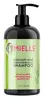 Key Ingredients
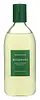
Benefits
Concerns
Ingredients Side-by-side
Water
Skin ConditioningSodium C14-16 Olefin Sulfonate
Cleansing

Cocamidopropyl Betaine
Cleansing

Polyquaternium-7
Cocamide Mipa
Emulsifying
Glycol Stearate
Emollient
Polyquaternium-10
Panthenol
Skin Conditioning




Propylene Glycol
Humectant
Mentha Piperita Oil
Masking




Rosmarinus Officinalis Leaf Oil
Masking
Disodium EDTA
ChelatingPhytantriol
HumectantOrbignya Oleifera Seed Oil
Emollient
Zingiber Officinale Root Oil
Masking
Cocos Nucifera Oil
Masking

Equisetum Arvense Extract
AstringentLawsonia Inermis Extract
Antimicrobial
Rosmarinus Officinalis Extract
AntimicrobialAnthemis Nobilis Flower Extract
Masking
Symphytum Officinale Callus Culture Extract
Skin ConditioningHumulus Lupulus Extract
AntimicrobialUrtica Dioica Extract
AstringentHoney
Humectant
Biotin
AntiseborrhoeicRicinus Communis Seed Oil
Masking
Phenoxyethanol
Preservative
Benzoic Acid
Masking
Ethylhexylglycerin
Skin ConditioningGlycereth-2 Cocoate
Emulsifying
Parfum
Masking
Water, Sodium C14-16 Olefin Sulfonate, Cocamidopropyl Betaine, Polyquaternium-7, Cocamide Mipa, Glycol Stearate, Polyquaternium-10, Panthenol, Propylene Glycol, Mentha Piperita Oil, Rosmarinus Officinalis Leaf Oil, Disodium EDTA, Phytantriol, Orbignya Oleifera Seed Oil, Zingiber Officinale Root Oil, Cocos Nucifera Oil, Equisetum Arvense Extract, Lawsonia Inermis Extract, Rosmarinus Officinalis Extract, Anthemis Nobilis Flower Extract, Symphytum Officinale Callus Culture Extract, Humulus Lupulus Extract, Urtica Dioica Extract, Honey, Biotin, Ricinus Communis Seed Oil, Phenoxyethanol, Benzoic Acid, Ethylhexylglycerin, Glycereth-2 Cocoate, Parfum
Rosmarinus Officinalis Leaf Extract
AntimicrobialWater
Skin ConditioningPinus Densiflora Leaf Extract
Antimicrobial
Sodium Methyl Cocoyl Taurate
Cleansing
Sodium Cocoyl Isethionate
Cleansing
Sodium Methyl Oleoyl Taurate
CleansingLauryl Betaine
CleansingPropanediol
Solvent
Sodium Chloride
MaskingErythritol
Humectant
Lauryl Glucoside
CleansingSalicylic Acid
Masking





Rosmarinus Officinalis Leaf Oil
Masking
Ocimum Basilicum Leaf Extract
Skin ConditioningOcimum Sanctum Leaf Extract
Skin ConditioningOriganum Vulgare Leaf Extract
Skin ConditioningZingiber Officinale Root Extract
Masking
Bifida Ferment Lysate
Skin Conditioning
Lactobacillus Ferment Lysate
Skin Conditioning
Arginine
Masking
Biotin
AntiseborrhoeicPanthenol
Skin Conditioning
Caffeine
Skin Conditioning
Polyquaternium-10
Caprylyl Glycol
Emollient
Cedrus Atlantica Bark Oil
Masking
Butylene Glycol
Humectant
Illicium Verum Fruit Extract
Perfuming
Cupressus Sempervirens Oil
Masking
Abies Sibirica Oil
Masking
Niacinamide
Smoothing

Styrax Benzoin Resin Extract
Masking
Dipropylene Glycol
HumectantLimonene
Perfuming
Glycerin
Humectant
Melia Azadirachta Leaf Extract
Skin ConditioningMelia Azadirachta Flower Extract
Skin ConditioningMalt Extract
Skin ProtectingCoccinia Indica Fruit Extract
Skin Conditioning
Amber Powder
Solanum Melongena Fruit Extract
Skin ConditioningCurcuma Longa Root Extract
Antioxidant
Corallina Officinalis Extract
Skin Conditioning
Moringa Oleifera Seed Oil
Emollient
Disodium EDTA
ChelatingIsopropyl Alcohol
Solvent
Sodium Acetate
Buffering1,2-Hexanediol
Skin Conditioning
Rosmarinus Officinalis Leaf Extract, Water, Pinus Densiflora Leaf Extract, Sodium Methyl Cocoyl Taurate, Sodium Cocoyl Isethionate, Sodium Methyl Oleoyl Taurate, Lauryl Betaine, Propanediol, Sodium Chloride, Erythritol, Lauryl Glucoside, Salicylic Acid, Rosmarinus Officinalis Leaf Oil, Ocimum Basilicum Leaf Extract, Ocimum Sanctum Leaf Extract, Origanum Vulgare Leaf Extract, Zingiber Officinale Root Extract, Bifida Ferment Lysate, Lactobacillus Ferment Lysate, Arginine, Biotin, Panthenol, Caffeine, Polyquaternium-10, Caprylyl Glycol, Cedrus Atlantica Bark Oil, Butylene Glycol, Illicium Verum Fruit Extract, Cupressus Sempervirens Oil, Abies Sibirica Oil, Niacinamide, Styrax Benzoin Resin Extract, Dipropylene Glycol, Limonene, Glycerin, Melia Azadirachta Leaf Extract, Melia Azadirachta Flower Extract, Malt Extract, Coccinia Indica Fruit Extract, Amber Powder, Solanum Melongena Fruit Extract, Curcuma Longa Root Extract, Corallina Officinalis Extract, Moringa Oleifera Seed Oil, Disodium EDTA, Isopropyl Alcohol, Sodium Acetate, 1,2-Hexanediol
Reviews
Ingredients Explained
These ingredients are found in both products.
Ingredients higher up in an ingredient list are typically present in a larger amount.
Biotin is a B vitamin that is naturally produced by our bodies. It is also called Vitamin H.
Our bodies use biotin in the metabolism process. It also helps our bodies use enzymes and move nutrients around. A biotin deficiency can lead to brittle hair and nails.
More research is needed on applying biotin topically. However, taking biotin orally has been shown to help nourish the skin, hair, and nails. They play a role in forming skin-hydrating fatty acids.
Biotin is water-soluble. It can be found in foods such as fish, eggs, dairy, nuts, and meat. Vitamin H stands for "haar" and "haut". These are the German words for hair and skin.
Learn more about BiotinDisodium EDTA is a chelating agent. It grabs onto and deactivates metal ions that sneak into your products from water, packaging, or air.
This ingredient mainly works behind the scenes and helps with:
On top of that, this ingredient can counteract the effects of hard water by binding to the minerals in it.
One thing worth knowing is that Disodium EDTA has been shown to be a mild penetration enhancer. It can help other ingredients absorb into skin more effectively which can be a double-edged sword (great for actives, but can also make the active too strong if you have sensitive skin).
Clinical patch testing showed no significant skin irritation at typical use concentrations and minimal dermal absorption.
You'll most likely see this ingredient near the end of an ingredient list. It's typically found in concentrations less than 1%.
Learn more about Disodium EDTAPanthenol is a common ingredient that helps hydrate and soothe the skin. It is found naturally in our skin and hair.
There are two forms of panthenol: D and L.
D-panthenol is also known as dexpanthenol. Most cosmetics use dexpanthenol or a mixture of D and L-panthenol.
Panthenol is famous due to its ability to go deeper into the skin's layers. Using this ingredient has numerous pros (and no cons):
Like hyaluronic acid, panthenol is a humectant. Humectants are able to bind and hold large amounts of water to keep skin hydrated.
This ingredient works well for wound healing. It works by increasing tissue in the wound and helps close open wounds.
Once oxidized, panthenol converts to pantothenic acid. Panthothenic acid is found in all living cells.
This ingredient is also referred to as pro-vitamin B5.
Learn more about PanthenolPolyquaternium-10 is an ammonium salt of hydroxyethylcellulose. It is a white and granular powder used as a film-former and anti-static agent.
This ingredient is commonly found in hair conditioning products. According to a manufacturer, its positive charge makes it great for absorbing hair proteins. The manufacturer also states this ingredient helps with curl retention.
For haircare friends: this ingredient is not a silicone.
Learn more about Polyquaternium-10Rosmarinus Officinalis Leaf Oil is an essential oil also known as rosemary essential oil. In skincare, it is a skin conditioning agent and also acts as a natural fragrance that gives products a fresh/herby smell.
The oil is a mix of over 100 volatile compounds with 1,8-cineole, α-pinene, camphor, and verbenone usually leading the pack.
Lab studies credit this oil with antioxidant, anti-inflammatory, and antimicrobial activity. Some research even show rosemary compounds calming acne-related inflammation.
The Cosmetic Ingredient Review (CIR) has concluded rosemary-derived ingredients to be safe when formulated to be nonsensitizing.
Since this is a fragrant essential oil, the main concern is for fragrance-sensitive folks.
Learn more about Rosmarinus Officinalis Leaf OilWater. It's the most common cosmetic ingredient of all. You'll usually see it at the top of ingredient lists, meaning that it makes up the largest part of the product.
So why is it so popular? Water most often acts as a solvent - this means that it helps dissolve other ingredients into the formulation.
You'll also recognize water as that liquid we all need to stay alive. If you see this, drink a glass of water. Remember to stay hydrated!
Learn more about Water

