

What's inside
What's inside
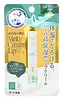 Key Ingredients
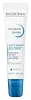
Benefits
Concerns
Ingredients Side-by-side
Squalane
Emollient


Petrolatum
Emollient

Paraffin
Perfuming
Paraffinum Liquidum
Emollient
Hydrogenated Polyisobutene
EmollientDiisostearyl Malate
EmollientEthylhexyl Methoxycinnamate
UV Absorber


Dipentaerythrityl Hexahydroxystearate/Hexastearate/Hexarosinate
Skin ConditioningMicrocrystalline Wax
Emulsion StabilisingButyrospermum Parkii Butter
Skin Conditioning

Polyglyceryl-2 Diisostearate
Emulsifying
Phytosteryl Macadamiate
Skin Conditioning
Ceramide NP
Skin Conditioning


Ceramide Ns
Skin Conditioning
Ceramide AP
Skin Conditioning
Honey
Humectant
Persea Gratissima Oil
Skin Conditioning
Macadamia Ternifolia Seed Oil
Emollient
Olea Europaea Fruit Oil
Masking
Simmondsia Chinensis Seed Oil
Emollient
Butyl Methoxydibenzoylmethane
UV Absorber
Dipropylene Glycol
HumectantVp/Eicosene Copolymer
Polyglyceryl-4 Oleate
Emulsifying
Cholesterol
Emollient
Argania Spinosa Kernel Oil
Emollient

Tocopheryl Acetate
Antioxidant


Synthetic Wax
Abrasive
Iron Oxides
Water
Skin ConditioningHydrogenated Lecithin
Emulsifying
Glycine Soja Sterols
Emollient
Isopropyl Titanium Triisostearate
Emollient
Butylene Glycol
Humectant
Royal Jelly Extract
Skin Conditioning
Camellia Sinensis Leaf Extract
Antimicrobial
Epigallocatechin Gallate
Antioxidant
Parfum
Masking


Ultramarines
CI 19140
Cosmetic ColorantSqualane, Petrolatum, Paraffin, Paraffinum Liquidum, Hydrogenated Polyisobutene, Diisostearyl Malate, Ethylhexyl Methoxycinnamate, Dipentaerythrityl Hexahydroxystearate/Hexastearate/Hexarosinate, Microcrystalline Wax, Butyrospermum Parkii Butter, Polyglyceryl-2 Diisostearate, Phytosteryl Macadamiate, Ceramide NP, Ceramide Ns, Ceramide AP, Honey, Persea Gratissima Oil, Macadamia Ternifolia Seed Oil, Olea Europaea Fruit Oil, Simmondsia Chinensis Seed Oil, Butyl Methoxydibenzoylmethane, Dipropylene Glycol, Vp/Eicosene Copolymer, Polyglyceryl-4 Oleate, Cholesterol, Argania Spinosa Kernel Oil, Tocopheryl Acetate, Synthetic Wax, Iron Oxides, Water, Hydrogenated Lecithin, Glycine Soja Sterols, Isopropyl Titanium Triisostearate, Butylene Glycol, Royal Jelly Extract, Camellia Sinensis Leaf Extract, Epigallocatechin Gallate, Parfum, Ultramarines, CI 19140
Paraffinum Liquidum
Emollient
Cera Microcristallina
Emulsion StabilisingCyclopentasiloxane
Emollient
Hydrogenated Polyisobutene
EmollientCaprylic/Capric Triglyceride
Masking
Butyrospermum Parkii Butter
Skin Conditioning
Paraffin
Perfuming
Cyclohexasiloxane
Emollient
Glycine Soja Oil
Emollient
Glycine Soja Sterols
Emollient
Hexyl Laurate
Emollient
Ethylene/Propylene/Styrene Copolymer
Stearalkonium Hectorite
Gel FormingPersea Gratissima Oil
Skin Conditioning
Propylene Carbonate
SolventCetearyl Alcohol
Emollient
Ascorbyl Palmitate
Antioxidant
Butylene/Ethylene/Styrene Copolymer
Hydrogenated Palm Glycerides Citrate
Emollient
Tocopherol
Antioxidant
BHT
Antioxidant
Laminaria Ochroleuca Extract
Skin Conditioning
Citric Acid
Buffering
Paraffinum Liquidum, Cera Microcristallina, Cyclopentasiloxane, Hydrogenated Polyisobutene, Caprylic/Capric Triglyceride, Butyrospermum Parkii Butter, Paraffin, Cyclohexasiloxane, Glycine Soja Oil, Glycine Soja Sterols, Hexyl Laurate, Ethylene/Propylene/Styrene Copolymer, Stearalkonium Hectorite, Persea Gratissima Oil, Propylene Carbonate, Cetearyl Alcohol, Ascorbyl Palmitate, Butylene/Ethylene/Styrene Copolymer, Hydrogenated Palm Glycerides Citrate, Tocopherol, BHT, Laminaria Ochroleuca Extract, Citric Acid
Reviews
Ingredients Explained
These ingredients are found in both products.
Ingredients higher up in an ingredient list are typically present in a larger amount.
This ingredient is also known as shea butter. It is a plant-derived extract from the nuts of the Africa shea tree and one of the most well-studied emollients.
Because it has a high concentration of fatty acids (primarily oleic, stearic, and linoleic) it is able to form a protective barrier on the skin's surface. This helps seal in moisture and prevents transepidermal water loss (TEWL).
In vitro research found an increase in skin hydration by 58% and a decrease in TEWL by 37.8% after 24 hours of applying this ingredient (pretty impressive for a single ingredient!).
Besides hydration, shea butter also contains triterpenes that have anti-inflammatory potential. In particule, lupeol cinnamate has shown the highest anti-inflammatory activity in vivo.
Shea butter also contains vitamins A and E which may contribute to antioxidant activity.
While Shea Butter has an SPF rating of about 3-4, it is not a sunscreen replacement.
This ingredient may not be fungal acne safe because its fatty acids fall within the C11-C24 range that the Malassezia yeast can metabolize.
Learn more about Butyrospermum Parkii ButterGlycine Soja Sterols is derived from the soybean plant. Sterols are an organic compound and technically an alcohol.
Unlike solvent alcohols, glycine soja sterols have emollient properties and help hydrate the skin.
This ingredient may not be Malassezia folliculitis, or fungal-acne safe.
Sterols can be found in plants, animals, and fungi.
Learn more about Glycine Soja SterolsHydrogenated Polyisobutene is a synthetic polymer. Polymers are compounds with high molecular weight. Hydrogenated Polyisobutene is an emollient and texture enhancer.
In one study, Hydrogenated Polyisobutene showed better skin hydration levels than Caprylic/Capric Triglyceride. As an emollient, it helps keep your skin soft and hydrated by trapping moisture in.
Hydrogenated Polyisobutene is often used as a mineral oil replacement.
Learn more about Hydrogenated PolyisobuteneParaffin is a solid created from petroleum. The term 'paraffin' can also refer to either
petroleum jelly or mineral oil.
It has natural occlusive properties which can worsen oily skin. Due to its petrolatum base, this ingredient is not fungal-acne safe.
Paraffinum Liquidum is a highly-refined cosmetic-grade mineral oil. It is also known as liquid paraffin.
Despite its controversial reputation, the science is pretty clear: it's one of the most well-studied and effective moisturizing ingredients out there.
As an occlusive, it forms a protective layer on the skin that locks in moisture and prevents transepidermal water loss (TEWL). This makes it especially great for compromised skin barriers.
The "it clogs your pores" myth has been around for decades; a study found that industrial-grade mineral oil may be comedogenic but cosmetic-grade mineral oil is not (these two are very, very different).
A 2017 review concluded that cosmetic use of mineral oils and waxes does not present a risk to consumers due to absorption.
Mineral oil got a bad rap from the old rabbit ear studies. When tested on actual human skin, cosmetic-grade mineral oil showed no comedogenic activity. The rating of 0 is a correction of outdated science.
Mineral oil is an inert substance with no fatty acids so there's nothing to feed Malassezia. This ingredient is fungal acne safe.
Learn more about Paraffinum LiquidumThis ingredient is also known as Avocado oil. It's the cold-pressed oil from the flesh of the avocado fruit packed with fatty acids (mostly oleic acid).
The rich fatty acid profile allows it to function as a skin conditioning agent and emollient; it helps soften and smooth skin while reducing water loss.
Preclinical research has found that topical avocado oil increased collagen synthesis and reduced inflammation during wound healing, giving it some skin-repairing credibility.
The unsaponifiable fraction of the oil is also interesting: studies on avocado unsaponifiables showed that it helped skin produce more collagen and other structural compounds that support healing.
The CIR Expert Panel has found this ingredient to be non-irritating in formulations.
It's a great ingredient for dry or compromised skin. Just know it may not be fungal acne safe. This is because the oleic acid content falls within the range that Malassezia can use as a food source.
Learn more about Persea Gratissima Oil
