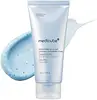
This salicylic acid foaming cleanser is formulated around Salicylic Acid to clear breakouts and unclog pores.
This salicylic acid gel cleanser is formulated around Salicylic Acid to clear breakouts and unclog pores.


What's inside
What's inside
 Key Ingredients
Benefits
Concerns
Ingredients Side-by-side
Water
Skin ConditioningGlycerin
Humectant


Sodium Cocoyl Glycinate
Cleansing
Sodium Lauroyl Glutamate
SurfactantLauryl Hydroxysultaine
CleansingCoco-Glucoside
Cleansing
Decyl Glucoside
Cleansing
1,2-Hexanediol
Skin Conditioning
Salicylic Acid 0.45%
Masking










Sodium Chloride
MaskingCaprylyl Glycol
Emollient
Hydroxypropyl Starch Phosphate
Silica
Abrasive
Parfum
Masking

Acrylates/C10-30 Alkyl Acrylate Crosspolymer
Emulsion StabilisingCitric Acid
Buffering
Polyquaternium-67
Dextrin
AbsorbentZea Mays Starch
Absorbent
Microcrystalline Cellulose
AbsorbentMannitol
Humectant
Disodium EDTA
ChelatingSucrose
Humectant
Gardenia Florida Flower Extract
Skin ConditioningSodium Acetate
BufferingUltramarines
Tocopheryl Acetate
Antioxidant

Isopropyl Alcohol
Solvent
Butylene Glycol
Humectant
Gluconolactone
Chelating

Mandelic Acid
Antimicrobial
Salix Alba Bark Extract
Astringent
Melaleuca Viminalis Extract
Flower Extract
Camellia Sinensis Leaf Extract
Antimicrobial
Dioscorea Villosa Root Extract
Skin Conditioning
Coffea Arabica Seed Extract
Masking
Pueraria Lobata Root Extract
HumectantPinus Palustris Leaf Extract
TonicOenothera Biennis Flower Extract
AstringentUlmus Davidiana Root Extract
Skin Conditioning
Mentha Citrata Leaf Extract
Astringent
Pinus Pinaster Leaf Extract
Skin ConditioningWater, Glycerin, Sodium Cocoyl Glycinate, Sodium Lauroyl Glutamate, Lauryl Hydroxysultaine, Coco-Glucoside, Decyl Glucoside, 1,2-Hexanediol, Salicylic Acid 0.45%, Sodium Chloride, Caprylyl Glycol, Hydroxypropyl Starch Phosphate, Silica, Parfum, Acrylates/C10-30 Alkyl Acrylate Crosspolymer, Citric Acid, Polyquaternium-67, Dextrin, Zea Mays Starch, Microcrystalline Cellulose, Mannitol, Disodium EDTA, Sucrose, Gardenia Florida Flower Extract, Sodium Acetate, Ultramarines, Tocopheryl Acetate, Isopropyl Alcohol, Butylene Glycol, Gluconolactone, Mandelic Acid, Salix Alba Bark Extract, Melaleuca Viminalis Extract, Flower Extract, Camellia Sinensis Leaf Extract, Dioscorea Villosa Root Extract, Coffea Arabica Seed Extract, Pueraria Lobata Root Extract, Pinus Palustris Leaf Extract, Oenothera Biennis Flower Extract, Ulmus Davidiana Root Extract, Mentha Citrata Leaf Extract, Pinus Pinaster Leaf Extract
Water
Skin ConditioningCocamidopropyl Betaine
Cleansing
Sodium Cocoyl Isethionate
Cleansing
Caprylyl/Capryl Glucoside
CleansingCocamide Mea
Emulsifying
Sodium Ascorbyl Phosphate
Antioxidant
Niacinamide
Smoothing
PEG-150 Distearate
Emulsifying
Dimethicone
Emollient
Phenoxyethanol
Preservative
Chlorphenesin
Antimicrobial
Caprylyl Glycol
Emollient
Acrylates/C10-30 Alkyl Acrylate Crosspolymer
Emulsion StabilisingButyrospermum Parkii Butter
Skin Conditioning

Tetrasodium EDTA
ChelatingSalicylic Acid
Masking
Acacia Senegal Gum
MaskingGlycolic Acid
Buffering
Arginine
Masking
Methylchloroisothiazolinone
Preservative
Methylisothiazolinone
Preservative
Salix Alba Bark Extract
Astringent
Camellia Sinensis Leaf Extract
Antimicrobial
Centella Asiatica Leaf Extract
Skin Conditioning
Cladosiphon Okamuranus Extract
Skin Conditioning
Coffea Arabica Seed Extract
Masking
Citrus Aurantium Bergamia Leaf Extract
AstringentPinus Densiflora Leaf Extract
Antimicrobial
Decyl Glucoside
Cleansing
1,2-Hexanediol
Skin Conditioning
Water, Cocamidopropyl Betaine, Sodium Cocoyl Isethionate, Caprylyl/Capryl Glucoside, Cocamide Mea, Sodium Ascorbyl Phosphate, Niacinamide, PEG-150 Distearate, Dimethicone, Phenoxyethanol, Chlorphenesin, Caprylyl Glycol, Acrylates/C10-30 Alkyl Acrylate Crosspolymer, Butyrospermum Parkii Butter, Tetrasodium EDTA, Salicylic Acid, Acacia Senegal Gum, Glycolic Acid, Arginine, Methylchloroisothiazolinone, Methylisothiazolinone, Salix Alba Bark Extract, Camellia Sinensis Leaf Extract, Centella Asiatica Leaf Extract, Cladosiphon Okamuranus Extract, Coffea Arabica Seed Extract, Citrus Aurantium Bergamia Leaf Extract, Pinus Densiflora Leaf Extract, Decyl Glucoside, 1,2-Hexanediol
Reviews
Ingredients Explained
These ingredients are found in both products.
Ingredients higher up in an ingredient list are typically present in a larger amount.
1,2-Hexanediol is a synthetic liquid and another multi-functional powerhouse.
It is a:
- Humectant, drawing moisture into the skin
- Emollient, helping to soften skin
- Solvent, dispersing and stabilizing formulas
- Preservative booster, enhancing the antimicrobial activity of other preservatives
Acrylates/C10-30 Alkyl Acrylate Crosspolymer is a synthetic polymer. It is used to thicken, emulsify, and improve the texture of products.
As an emulsifier, it helps stabilize oil-in-water emulsions to give products an elegant feel when applied.
It can also form a thin protective film on skin. One study found that a formula using this polymer helped slow down how quickly other ingredients (like DEET) were absorbed through skin.
A 2024 study of over 1,300 patients confirmed that sensitization to this ingredient is rare. It is also non-mutagenic and has a clean track record.
Learn more about Acrylates/C10-30 Alkyl Acrylate CrosspolymerCamellia Sinensis Leaf Extract (tea extract) is one of the most well-researched plant extracts in skincare with an impressive resume.
Black tea, green tea, and oolong tea are all harvested from the Camellia Sinensis plant.
Studies show green tea extract and its catechins (like epigallocatechin gallate (EGCG)) help your skin cells product energy more efficiently and reducing the number of free-radicals that can damage your skin from the inside.
In lab-grown skin models, this translated to younger, healthier, and stronger skin.
There's also good sun protection data; researchers saw less DNA damage and redness on human skin when green tea was applied before UVB exposure. And the more they applied, the better the protection.
Needless to say, this ingredient shouldn't replace your sunscreen. But it is a great supportive ingredient that you can already find in many sunscreens and antioxidant serums.
A 2009 study found a 2% green tea lotion was effective for mild-to-moderate acne thanks to its anti-inflammatory and mild antimicrobial activity.
The quality of the extract matters a lot here:
Good extracts contain 50-90% catechins while lower quality ones are mostly there for marketing. We recommend reaching out to the brand if you have questions about the quality or source of their ingredients.
Human Repeated Insult Patch Testing showed no irritation or sensitization at use concentrations (0.86% in leave-on products and up to 30% as leaf water).
Learn more about Camellia Sinensis Leaf ExtractCaprylyl Glycol is a humectant, skin conditioner, emollient, and preservative booster derived from either caprylic acid or synthetically created.
Typical use levels vary from 0.3-1% as a preservative booster and go up to 2% to condition skin.
Because it is not a free-fatty acid, this ingredient is fungal acne safe (there's nothing for Malassezia to feed on).
Learn more about Caprylyl GlycolThis ingredient is more commonly known as the coffee bean from the Coffea Arabica tree. Besides being a delicious drink, coffee beans have a ton of skin benefits.
Coffea Arabica Seed Extract (CASE) has antioxidant, anti-inflammatory, and UV-protective properties. (It should not replace your sunscreen!)
CASE contains several ingredients that protect and soothe skin. These include caffeine, polysaccharides, sucrose, lipids, minerals, and proteins.
The star ingredient in coffee is caffeine.
Caffeine helps with anti-aging, antioxidant, and photo-protection.
How? It has been shown to block collagenase (~41%), elastase (~35%), and tyrosinase (~13%).
Collagenase and elastase are enzymes that break down collagen and elastin, respectively. Tyrosinase is the enzyme that controls melanin production.
Our skin creates melanin when exposed to UV as a defense mechanism.
It should be noted most studies looked at caffeine's ability to inhibit damage from UV-B rays.
According to a manufacturer, this ingredient is often dissolved using water, glycerin, and propanediol. The caffeine content of this ingredient is about 100 ppm.
Coffea Arabica is native to Ethiopia.
Learn more about Coffea Arabica Seed ExtractDecyl Glucoside is a plant-derived surfactant and emulsion stabilizer. It is created by reacting glucose with the fatty acids from plants.
Like all surfactants, it works by lowering the surface tension between water and oil. This makes it so that dirt, sebum, and makeup can be lifted off your skin and rinsed away. It also produces a dense and creamy foam.
Because it has a neutral charge, it is compatible with a wide range of ingredients and stays stable across a broad pH range/water hardiness conditions.
Patch testing has shown it to have the lowest irritation potential among common cleansing surfactants (like SLS).
Typical use levels range from 5-20% in rinse-off cleansers.
One thing worth knowing: The American Contact Dermatitis Society named the parent family, alkyl glucosides, "Allergen of the Year" in 2017. The prevalence of allergy is pretty low but be sure to patch test if you've reacted to "gentle" or sulfate-free cleansers before.
This ingredient is fungal acne safe because the fatty alcohol portion of this ingredient is not within the C11-24 chain length that Malassezia can metabolize.
Learn more about Decyl GlucosideSalicylic Acid (also known as beta hydroxy acid or BHA) is a well-known ingredient for treating skin that struggles with acne and clogged pores. It exfoliates both the skin's surface and deep within the pores to help clear out buildup, control oil, and reduce inflammation.
Unlike AHAs (alpha hydroxy acids), salicylic acid is oil-soluble. This allows it to penetrate into pores which makes it especially effective for treating blackheads and preventing future breakouts.
Salicylic acid is also known for its soothing properties. It has a similar structure to aspirin and can calm inflamed or irritated skin, making it a good option for acne-prone skin that is also sensitive.
Concentrations of 0.5-2% are recognized by the U.S. FDA as an over-the-counter topical acne product.
It can cause irritation and/or dryness if one's skin already has a compromised moisture barrier, so it's best to focus on repairing that before introducing this ingredient into your routine.
While salicylic acid does not increase sun sensitivity, it’s still important to wear sunscreen daily to protect your skin.
If you are looking for the ingredient called BHA or Butylated Hydroxyanisole, click here.
Learn more about Salicylic AcidSalix Alba Bark Extract comes from the bark of the white willow tree. The official CosIng listing states this ingredient to have astringent, skin conditioning, soothing, and tonic properties.
Its star compound is salicin, a natural glucoside that is chemically related to salicylic acid. That's why you'll often see it marketed as a "natural BHA alternative" but that's a bit of a stretch.
Your skin can't convert salicin to salicylic acid because it needs specific enzymes that aren't present on the skin's surface. It won't behave like true salicylic acid, especially at the concentrations used in cosmetics.
However, this ingredient has its own perks. It contains flavonoids, polyphenols, and tannins that give it proven antioxidant and soothing properties.
An 8-week clinical study found a cream with 2% of this extract improved skin microcirculation, elasticity, and dark circles. This is most likely due to its role in increasing hyaluronic acid synthesis in fibroblasts and improved vascular integrity.
Another study found a topical serum with 0.5% salicin showed improvements in visible signs of aging, hyperpigmentation, and texture.
Just be careful if you have a known aspirin/salicylate allergy and be sure to consult with a medical professional about using this ingredient if you do.
Fun fact: Willow Bark extract has been used for thousands of years and ancient civilizations used white willow to help treat pain and fevers.
Learn more about Salix Alba Bark ExtractWater. It's the most common cosmetic ingredient of all. You'll usually see it at the top of ingredient lists, meaning that it makes up the largest part of the product.
So why is it so popular? Water most often acts as a solvent - this means that it helps dissolve other ingredients into the formulation.
You'll also recognize water as that liquid we all need to stay alive. If you see this, drink a glass of water. Remember to stay hydrated!
Learn more about Water

