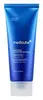
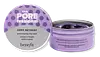
MediCube Zero Pore Blackhead Mud Mask Versus Benefit Cosmetics The POREfessional Deep Retreat Pore-Clearing Clay Mask
This wash off mask is formulated around Salicylic Acid to clear breakouts and unclog pores.


What's inside
What's inside
 Key Ingredients
Benefits
Concerns
Ingredients Side-by-side
Water
Skin ConditioningKaolin
Abrasive



Bentonite
Absorbent
Methylpropanediol
Solvent1,2-Hexanediol
Skin Conditioning
Xanthan Gum
EmulsifyingTetrasodium Pyrophosphate
BufferingCI 77510
Cosmetic ColorantMagnesium Aluminum Silicate
Absorbent
Sodium Hyaluronate
Humectant



Caprylyl Glycol
Emollient
Cellulose
Absorbent
Chlorella Vulgaris Extract
Skin ConditioningGlucose
Humectant
Butylene Glycol
Humectant
Allantoin
Skin Conditioning
Caffeine
Skin Conditioning
Fructooligosaccharides
Humectant
Fructose
Humectant
Limonene
Perfuming




Ethylhexylglycerin
Skin ConditioningCitrus Aurantium Bergamia Fruit Oil
Masking

Sodium Phytate
ChelatingCitrus Limon Peel Oil
Masking
Citrus Aurantium Dulcis Peel Oil
Masking
Cynanchum Atratum Extract
Skin ConditioningAlthaea Rosea Flower Extract
Skin ConditioningTocopherol
Antioxidant



Canadian Colloidal Clay
Skin ConditioningGluconolactone
Chelating

Guaiazulene
Antimicrobial
Salicylic Acid
Masking

Glycolic Acid
Buffering
Pentylene Glycol
Skin Conditioning
Montmorillonite
AbsorbentIllite
Abrasive
Methyl Diisopropyl Propionamide
MaskingOenothera Biennis Flower Extract
AstringentPinus Palustris Leaf Extract
TonicPueraria Lobata Root Extract
HumectantUlmus Davidiana Root Extract
Skin Conditioning
Diospyros Kaki Leaf Extract
Skin Protecting
Vitis Vinifera Fruit Extract
Skin ConditioningCarthamus Tinctorius Flower Extract
Skin ConditioningCoffea Arabica Seed Extract
Masking
Polygonum Cuspidatum Root Extract
Antioxidant
Camellia Sinensis Leaf Extract
Antimicrobial
Castanea Crenata Shell Extract
Skin ConditioningZanthoxylum Piperitum Fruit Extract
Skin ConditioningCopper Tripeptide-1
Skin Conditioning
Water, Kaolin, Bentonite, Methylpropanediol, 1,2-Hexanediol, Xanthan Gum, Tetrasodium Pyrophosphate, CI 77510, Magnesium Aluminum Silicate, Sodium Hyaluronate, Caprylyl Glycol, Cellulose, Chlorella Vulgaris Extract, Glucose, Butylene Glycol, Allantoin, Caffeine, Fructooligosaccharides, Fructose, Limonene, Ethylhexylglycerin, Citrus Aurantium Bergamia Fruit Oil, Sodium Phytate, Citrus Limon Peel Oil, Citrus Aurantium Dulcis Peel Oil, Cynanchum Atratum Extract, Althaea Rosea Flower Extract, Tocopherol, Canadian Colloidal Clay, Gluconolactone, Guaiazulene, Salicylic Acid, Glycolic Acid, Pentylene Glycol, Montmorillonite, Illite, Methyl Diisopropyl Propionamide, Oenothera Biennis Flower Extract, Pinus Palustris Leaf Extract, Pueraria Lobata Root Extract, Ulmus Davidiana Root Extract, Diospyros Kaki Leaf Extract, Vitis Vinifera Fruit Extract, Carthamus Tinctorius Flower Extract, Coffea Arabica Seed Extract, Polygonum Cuspidatum Root Extract, Camellia Sinensis Leaf Extract, Castanea Crenata Shell Extract, Zanthoxylum Piperitum Fruit Extract, Copper Tripeptide-1
Water
Skin ConditioningKaolin
Abrasive
Silica
Abrasive
Glycerin
Humectant
Butylene Glycol
Humectant
Pentylene Glycol
Skin Conditioning
CI 77007
Cosmetic ColorantPEG-40 Sorbitan Peroleate
Emulsifying
Sodium Acrylates Copolymer
Caprylic/Capric Triglyceride
Masking
CI 77499
Cosmetic ColorantHydroxyacetophenone
Antioxidant
Lecithin
Emollient
Mica
Cosmetic ColorantChlorphenesin
Antimicrobial
Bisabolol
Antioxidant
CI 77491
Cosmetic ColorantHydrogenated Vegetable Oil
Emollient
Opuntia Coccinellifera Flower Extract
Skin ConditioningCI 77891
Cosmetic ColorantTrisodium Ethylenediamine Disuccinate
ChelatingSimmondsia Chinensis Seed Oil
Emollient
Prunus Domestica Seed Oil
Skin Conditioning
Parfum
Masking
Disodium Phosphate
BufferingPotassium Hydroxide
BufferingXanthan Gum
EmulsifyingCrithmum Maritimum Extract
Skin Conditioning1,2-Hexanediol
Skin Conditioning
Caprylyl Glycol
Emollient
Tocopherol
Antioxidant
CI 77510
Cosmetic ColorantSodium Phosphate
BufferingSphingolipids
Emollient
Sphingomonas Ferment Extract
Skin Conditioning
Tocopheryl Acetate
Antioxidant
Citric Acid
Buffering
Pentaerythrityl Tetra-Di-T-Butyl Hydroxyhydrocinnamate
Antioxidant
Sodium Citrate
BufferingWater, Kaolin, Silica, Glycerin, Butylene Glycol, Pentylene Glycol, CI 77007, PEG-40 Sorbitan Peroleate, Sodium Acrylates Copolymer, Caprylic/Capric Triglyceride, CI 77499, Hydroxyacetophenone, Lecithin, Mica, Chlorphenesin, Bisabolol, CI 77491, Hydrogenated Vegetable Oil, Opuntia Coccinellifera Flower Extract, CI 77891, Trisodium Ethylenediamine Disuccinate, Simmondsia Chinensis Seed Oil, Prunus Domestica Seed Oil, Parfum, Disodium Phosphate, Potassium Hydroxide, Xanthan Gum, Crithmum Maritimum Extract, 1,2-Hexanediol, Caprylyl Glycol, Tocopherol, CI 77510, Sodium Phosphate, Sphingolipids, Sphingomonas Ferment Extract, Tocopheryl Acetate, Citric Acid, Pentaerythrityl Tetra-Di-T-Butyl Hydroxyhydrocinnamate, Sodium Citrate
Reviews
Ingredients Explained
These ingredients are found in both products.
Ingredients higher up in an ingredient list are typically present in a larger amount.
1,2-Hexanediol is a synthetic liquid and another multi-functional powerhouse.
It is a:
- Humectant, drawing moisture into the skin
- Emollient, helping to soften skin
- Solvent, dispersing and stabilizing formulas
- Preservative booster, enhancing the antimicrobial activity of other preservatives
Butylene Glycol (or BG) is used within cosmetic products for a few different reasons:
Overall, Butylene Glycol is a safe and well-rounded ingredient that works well with other ingredients.
Though this ingredient works well with most skin types, some people with sensitive skin may experience a reaction such as allergic rashes, closed comedones, or itchiness.
Learn more about Butylene GlycolCaprylyl Glycol is a humectant, skin conditioner, emollient, and preservative booster derived from either caprylic acid or synthetically created.
Typical use levels vary from 0.3-1% as a preservative booster and go up to 2% to condition skin.
Because it is not a free-fatty acid, this ingredient is fungal acne safe (there's nothing for Malassezia to feed on).
Learn more about Caprylyl GlycolThis ingredient is used to impart a blue color. It is not water-soluble.
It goes by two different names:
1. Ferric Ferrocyanide: a synthetic dark blue pigment
2. Ferric Ammonium Ferrocyanide: a synthetic blue pigment, also called Prussian blue
In the EU, both of these colors must be labeled as 'CI 77510'.
Learn more about CI 77510Kaolin is a clay. It is used for oil control and to help minimize pores. Like other clays, kaolin has the ability to absorb excess sebum or oil. This can help clean out pores and mattify the skin.
Some types of kaolin may have exfoliating properties. When water is added to kaolin, it becomes a paste with small abrasive particles.
Most kaolin is a white color, but may be pink/orange/red depending on where it comes from.
The name 'kaolin' comes from a Chinese village named 'Gaoling'. Kaolin clay comes from rocks rich in kaolinite. Kaolinite, the mineral, has a silicate layered structure. Kaolinite is formed from chemical weathering of aluminum siilicate minerals.
Besides skincare, kaolin is commonly used to make glossy paper, in ceramics, toothpaste, and as medicine to soothe stomach issues.
Learn more about KaolinPentylene Glycol (1,2-pentanediol) is a multitasking little diol with three main roles in a formula:
Research on alkanediols (the family pentylene glycol belongs to) show they work by disrupting microbial cell membranes. This disruption helps the primary preservative system in a product work more effectively at lower doses.
On the safety side, the Cosmetic Ingredient Review Expert Panel has concluded this ingredient to be safe as used in current cosmetic practices + concentrations.
Typical use levels in a formula run about 1-5%.
Learn more about Pentylene GlycolTocopherol is a fat-soluble antioxidant known as Vitamin E.
You'll find this ingredient in the vast majority of skincare (for good reason). It works to neutralize free radicals, or unstable molecules generated by UV exposure, pollution, and other environmental stressors, before they can cause oxidative damage to your skin cells.
Topically applied tocopherol has been shown to protect against UV damage by ramping up the skin's own natural defense enzymes.
It also acts as a skin conditioning agent; some studies show that regular topical use can improve the skin's water-binding capacity over 2-4 weeks.
This ingredient is especially loved for being a team player. When combined with Vitamin C, the photoprotective effect of both ingredients roughly doubles and the combo also helps reduce UV-induced DNA damage.
This ingredient has some brightening potential but it's more of a prevention ingredient than spot-fader. Cell studies show it can slow down melanin production but it's worth noting that it's not the most powerful brightener out there.
In formulations, it also serves as a stabilizer that helps protect other oxidation-prone ingredients from degrading.
Concentrations usually range from 0.1-1% in most leave-on products.
Learn more about TocopherolWater. It's the most common cosmetic ingredient of all. You'll usually see it at the top of ingredient lists, meaning that it makes up the largest part of the product.
So why is it so popular? Water most often acts as a solvent - this means that it helps dissolve other ingredients into the formulation.
You'll also recognize water as that liquid we all need to stay alive. If you see this, drink a glass of water. Remember to stay hydrated!
Learn more about WaterXanthan gum is used as a stabilizer and thickener within cosmetic products. It helps give products a sticky, thick feeling - preventing them from being too runny.
On the technical side of things, xanthan gum is a polysaccharide - a combination consisting of multiple sugar molecules bonded together.
Xanthan gum is a pretty common and great ingredient. It is a natural, non-toxic, non-irritating ingredient that is also commonly used in food products.
Learn more about Xanthan Gum

