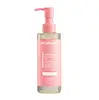
This mild gel makeup remover is made to dissolve makeup, sunscreen, and daily buildup.
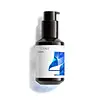
This mild cream cleanser is made to cleanse while respecting your skin barrier.

What's inside
What's inside
 Key Ingredients
Benefits
Concerns
Ingredients Side-by-side
Water
Skin ConditioningSodium Cocoyl Alaninate
Surfactant
Disodium Cocoamphodiacetate
CleansingLauryl Hydroxysultaine
CleansingSodium Chloride
Masking1,2-Hexanediol
Skin Conditioning
Citric Acid
Buffering


Ethylhexylglycerin
Skin ConditioningGlycerin
Humectant

Hexylene Glycol
EmulsifyingButylene Glycol
Humectant
Hydrogenated Lecithin
Emulsifying
Ficus Carica Fruit Extract
Humectant
Centella Asiatica Extract
Cleansing



Beta-Glucan
Skin Conditioning
Ceramide NP
Skin Conditioning
Tocopherol
Antioxidant


Simmondsia Chinensis Seed Oil
Emollient

Polyglyceryl-10 Laurate
Skin Conditioning
Terminalia Ferdinandiana Fruit Extract
Antioxidant
Oenothera Biennis Oil
Emollient

Rosa Canina Fruit Oil
Emollient
Macadamia Ternifolia Seed Oil
Emollient
Helianthus Annuus Seed Oil
Emollient
Water, Sodium Cocoyl Alaninate, Disodium Cocoamphodiacetate, Lauryl Hydroxysultaine, Sodium Chloride, 1,2-Hexanediol, Citric Acid, Ethylhexylglycerin, Glycerin, Hexylene Glycol, Butylene Glycol, Hydrogenated Lecithin, Ficus Carica Fruit Extract, Centella Asiatica Extract, Beta-Glucan, Ceramide NP, Tocopherol, Simmondsia Chinensis Seed Oil, Polyglyceryl-10 Laurate, Terminalia Ferdinandiana Fruit Extract, Oenothera Biennis Oil, Rosa Canina Fruit Oil, Macadamia Ternifolia Seed Oil, Helianthus Annuus Seed Oil
Water
Skin ConditioningPropanediol
Solvent
Cetearyl Alcohol
Emollient

Ceteareth-20
Cleansing
Glycerin
Humectant
1,2-Hexanediol
Skin Conditioning
Citrus Aurantium Dulcis Peel Oil
Masking
Tocopherol
Antioxidant
Aloe Barbadensis Leaf Juice
Skin Conditioning
Tocotrienols
Skin Conditioning
Caprylhydroxamic Acid
ChelatingHelianthus Annuus Seed Oil
Emollient
Santalum Spicatum Seed Oil
Skin Conditioning
Butylene Glycol
Humectant
Elaeis Guineensis Oil
Emollient
Mica
Cosmetic Colorant7-Dehydrocholesterol
Emulsion StabilisingCeteareth-25
CleansingPentylene Glycol
Skin Conditioning
Magnesium Aspartate
Skin ConditioningZinc Gluconate
Skin Conditioning



Ethylhexylglycerin
Skin ConditioningPhenoxyethanol
Preservative
Cetyl Alcohol
Emollient
Banksia Serrata Flower Extract
Skin ConditioningBarklya Syringifolia Flower/Leaf Extract
Antioxidant
Brachychiton Acerifolius Flower Extract
Antioxidant
Citrus Australasica Fruit Extract
Antioxidant
Davidsonia Pruriens Fruit Extract
Antioxidant
Hibiscus Sabdariffa Flower Extract
Skin ConditioningMelaleuca Alternifolia Leaf Extract
Perfuming
Santalum Acuminatum Fruit Extract
Antioxidant
Tasmannia Lanceolata Fruit Extract
Skin ConditioningTelopea Speciosissima Flower/Leaf Extract
Antioxidant
Terminalia Ferdinandiana Fruit Extract
Antioxidant
Citric Acid
Buffering
Behenic Acid
Cleansing
Ceramide NP
Skin Conditioning
Cholesterol
Emollient
Copper Gluconate
Skin Conditioning
Potassium Sorbate
Preservative
Ceramide Ns
Skin Conditioning
Glycine
Buffering
Sodium Benzoate
Masking
Serine
Masking
Glutamic Acid
Humectant
Ceramide AP
Skin Conditioning
Ceramide EOP
Skin Conditioning
Ceramide Eos
Skin Conditioning
Aspartic Acid
Masking
Leucine
Skin ConditioningCaprooyl Phytosphingosine
Skin Conditioning
Caprooyl Sphingosine
Skin ConditioningAlanine
Masking
Lysine
Skin ConditioningArginine
Masking
Tyrosine
MaskingPhenylalanine
Masking
Proline
Skin Conditioning
Threonine
Valine
MaskingIsoleucine
Skin ConditioningHistidine
Humectant
Limonene
Perfuming
CI 77891
Cosmetic ColorantCI 77491
Cosmetic ColorantWater, Propanediol, Cetearyl Alcohol, Ceteareth-20, Glycerin, 1,2-Hexanediol, Citrus Aurantium Dulcis Peel Oil, Tocopherol, Aloe Barbadensis Leaf Juice, Tocotrienols, Caprylhydroxamic Acid, Helianthus Annuus Seed Oil, Santalum Spicatum Seed Oil, Butylene Glycol, Elaeis Guineensis Oil, Mica, 7-Dehydrocholesterol, Ceteareth-25, Pentylene Glycol, Magnesium Aspartate, Zinc Gluconate, Ethylhexylglycerin, Phenoxyethanol, Cetyl Alcohol, Banksia Serrata Flower Extract, Barklya Syringifolia Flower/Leaf Extract, Brachychiton Acerifolius Flower Extract, Citrus Australasica Fruit Extract, Davidsonia Pruriens Fruit Extract, Hibiscus Sabdariffa Flower Extract, Melaleuca Alternifolia Leaf Extract, Santalum Acuminatum Fruit Extract, Tasmannia Lanceolata Fruit Extract, Telopea Speciosissima Flower/Leaf Extract, Terminalia Ferdinandiana Fruit Extract, Citric Acid, Behenic Acid, Ceramide NP, Cholesterol, Copper Gluconate, Potassium Sorbate, Ceramide Ns, Glycine, Sodium Benzoate, Serine, Glutamic Acid, Ceramide AP, Ceramide EOP, Ceramide Eos, Aspartic Acid, Leucine, Caprooyl Phytosphingosine, Caprooyl Sphingosine, Alanine, Lysine, Arginine, Tyrosine, Phenylalanine, Proline, Threonine, Valine, Isoleucine, Histidine, Limonene, CI 77891, CI 77491
Ingredients Explained
These ingredients are found in both products.
Ingredients higher up in an ingredient list are typically present in a larger amount.
1,2-Hexanediol is a synthetic liquid and another multi-functional powerhouse.
It is a:
- Humectant, drawing moisture into the skin
- Emollient, helping to soften skin
- Solvent, dispersing and stabilizing formulas
- Preservative booster, enhancing the antimicrobial activity of other preservatives
Butylene Glycol (or BG) is used within cosmetic products for a few different reasons:
Overall, Butylene Glycol is a safe and well-rounded ingredient that works well with other ingredients.
Though this ingredient works well with most skin types, some people with sensitive skin may experience a reaction such as allergic rashes, closed comedones, or itchiness.
Learn more about Butylene GlycolCeramide NP (formerly known as Ceramide 3) is one of the skin's naturally occurring lipids.
Since ceramides are the major lipid components of the skin, they are crucial for maintaining skin barrier and hydration. Ceramide NP most closely mirrors the dominant kind in human skin amongst ceramide subtypes.
This ceramide works by slotting into gaps within the stratum corneum's lipid matrix to limit trans-epidermal water loss (TEWL) and shield the skin against external irritants.
A study with 312 patients found that using a ceramide-containing routine for 4 weeks reduced the severity of atopic dermatitis by over 61%.
Another clinical study in subjects aged 60 and older found that a ceramide body wash and moisturizer improved skin dryness and itchy skin in 15 days.
Overall, ceramides are considered non-irritating and safety tests have found little to no observable adverse effects from using this ingredient.
Ceramide NP is usually sourced from plants (like soybean or rice bran), or produced synthetically.
Learn more about Ceramide NPCitric Acid is an alpha hydroxy acid (AHA) naturally found in citrus fruits like oranges, lemons, and limes.
Like other AHAs, citric acid can exfoliate skin by breaking down the bonds that hold dead skin cells together. This helps reveal smoother and brighter skin underneath.
However, this exfoliating effect only happens at high concentrations (20%) which can be hard to find in cosmetic products.
Due to this, citric acid is usually included in small amounts as a pH adjuster. This helps keep products slightly more acidic and compatible with skin's natural pH.
In skincare formulas, citric acid can:
While it can provide some skin benefits, research shows lactic acid and glycolic acid are generally more effective and less irritating exfoliants.
Most citric acid used in skincare today is made by fermenting sugars (usually from molasses). This synthetic version is identical to the natural citrus form but easier to stabilize and use in formulations.
Rosacea skin has a lower threshold for acids generally, with 62.5% of rosacea subjects in one study reacting to lactic acid in a sting test. This is why we mark citric acid as a potential rosacea trigger.
However, this ingredient shows up as a pH adjuster or chelator at roughly 0.1-1% in many products. These low levels are unlikely to be an issue for rosacea skin and becomes a potential trigger at exfoliating concentrations (20%). Because everybody's skin is unique, we recommend a patch test if you are unsure.
Learn more about Citric AcidEthylhexylglycerin is created from glycerin. It is a multitasker ingredient that:
The CIR Expert Panel found minimal skin absorption or sensitization of any kind in a safety assessment. Though this ingredient is considered well-tolerated, a small number of cases of allergic dermatitis have been published since 2002. Just be sure to patch test if you are unsure.
Industry-reported use ranges from 8% in rinse-off products and 2% in leave-on formulations.
Learn more about EthylhexylglycerinGlycerin (or glycerol) is a compound naturally found in your skin. It's a powerhouse humectant that pulls water into the stratum corneum.
Topically, glycerin does several things at once:
Your skin makes glycerin on its own (mostly from sebaceous oil breakdown) and shuttles it to your outermost layer of skin, or your epidermis, via aquaporin-3.
Aquaporin-3 is a transporter that is essential for normal skin hydration, elasticity, and repair. Interestingly, mice lacking in AQP3 have dry and less elastic skin that can be fully corrected with glycerin.
This ingredient is non-irritating, plays well with almost every ingredient, and works across all skin types. Typical use is anywhere between 3-10% but can go up to 79% in some leave-on products.
Just know very high concentrations (>40%) can feel tacky in low humidity.
Glycerin is the name for this ingredient in American English. British English uses Glycerol/Glycerine.
Learn more about GlycerinHelianthus Annuus Seed Oil is a plant oil derived from the seeds of a sunflower.
It is rich in fatty acids, primarily linoleic acid and oleic acid. This gives it emollient and skin conditioning properties.
The reason this ingredient is so effective is because it forms a thin film on the skin that reduces transepidermal water loss (TEWL) while supplying linoleic acid to the stratum corneum to improve barrier strength.
The high linoleic acid content is particularly noteworthy for acne-prone skin.
Research suggests that acne-prone skin tends to be deficient in linoleic acid in sebum. Topical application may help replenish this to support a healthier follicular environment and less comedone-promoting sebum.
One randomized study found sunflower seed oil preserved skin barrier integrity in adult volunteers with and without atopic dermatitis (outperforming olive oil).
This ingredient is well-studied, gentle, and an effective emollient suitable for most skin types.
On fungal acne: This ingredient may not be Fungal acne (Malassezia folliculitis) safe. This is because it contains fatty acids with carbon chain lengths in the C11-C24 range.
Learn more about Helianthus Annuus Seed OilTerminalia Ferdinandiana Fruit Extract is from the Kakadu plum. The Kakadu plum is native to northern Australia. The Kakadu plum holds the record for having the highest amount of natural vitamin C.
This ingredient is an antioxidant. Antioxidants help fight free-radical molecules. Free-radical molecules are capable of damaging our cells and other genetic material. Antioxidants help stabilize free-radicals and thus may reduce the signs of aging.
The high vitamin C content of Kakadu plum also helps lighten skin. Vitamin C has been shown to block the process of skin darkening that leads to hyperpigmentation.
Kakadu plums have been used by indigenous cultures as medicine to help treat colds and as an antiseptic.
Learn more about Terminalia Ferdinandiana Fruit ExtractTocopherol is a fat-soluble antioxidant known as Vitamin E.
You'll find this ingredient in the vast majority of skincare (for good reason). It works to neutralize free radicals, or unstable molecules generated by UV exposure, pollution, and other environmental stressors, before they can cause oxidative damage to your skin cells.
Topically applied tocopherol has been shown to protect against UV damage by ramping up the skin's own natural defense enzymes.
It also acts as a skin conditioning agent; some studies show that regular topical use can improve the skin's water-binding capacity over 2-4 weeks.
This ingredient is especially loved for being a team player. When combined with Vitamin C, the photoprotective effect of both ingredients roughly doubles and the combo also helps reduce UV-induced DNA damage.
This ingredient has some brightening potential but it's more of a prevention ingredient than spot-fader. Cell studies show it can slow down melanin production but it's worth noting that it's not the most powerful brightener out there.
In formulations, it also serves as a stabilizer that helps protect other oxidation-prone ingredients from degrading.
Concentrations usually range from 0.1-1% in most leave-on products.
Learn more about TocopherolWater. It's the most common cosmetic ingredient of all. You'll usually see it at the top of ingredient lists, meaning that it makes up the largest part of the product.
So why is it so popular? Water most often acts as a solvent - this means that it helps dissolve other ingredients into the formulation.
You'll also recognize water as that liquid we all need to stay alive. If you see this, drink a glass of water. Remember to stay hydrated!
Learn more about Water

