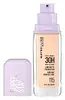
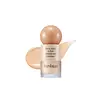
Maybelline Superstay Lumi-Matte Foundation SPF 16 Versus Freshian Egg-Like Glow Foundation SPF 35 PA++


What's inside
What's inside
 Key Ingredients
Benefits
Concerns
Ingredients Side-by-side
Water
Skin ConditioningDimethicone
Emollient

Isododecane
EmollientAlcohol
Antimicrobial




Trimethylsiloxysilicate
Emollient
Butylene Glycol
Humectant

PEG-10 Dimethicone
Skin Conditioning
Perlite
Absorbent

Synthetic Fluorphlogopite
Nylon-12

Isopropyl Lauroyl Sarcosinate
Skin ConditioningDiisopropyl Sebacate
EmollientHdi/Trimethylol Hexyllactone Crosspolymer
Bis-PEG/PPG-14/14 Dimethicone
Emollient
Disteardimonium Hectorite
StabilisingMagnesium Sulfate
Phenoxyethanol
Preservative
Disodium Stearoyl Glutamate
CleansingSilica Silylate
Emollient
Dipentaerythrityl Tetrahydroxystearate/Tetraisostearate
Skin Conditioning
Hydrolyzed Soy Protein
Humectant
Proline
Skin Conditioning
PEG/PPG/Polybutylene Glycol-8/5/3 Glycerin
HumectantTocopherol
Antioxidant





Niacinamide
Smoothing



Glycerin
Humectant
Aluminum Hydroxide
EmollientSilica
Abrasive
Glutamic Acid
Humectant
Water, Dimethicone, Isododecane, Alcohol, Trimethylsiloxysilicate, Butylene Glycol, PEG-10 Dimethicone, Perlite, Synthetic Fluorphlogopite, Nylon-12, Isopropyl Lauroyl Sarcosinate, Diisopropyl Sebacate, Hdi/Trimethylol Hexyllactone Crosspolymer, Bis-PEG/PPG-14/14 Dimethicone, Disteardimonium Hectorite, Magnesium Sulfate, Phenoxyethanol, Disodium Stearoyl Glutamate, Silica Silylate, Dipentaerythrityl Tetrahydroxystearate/Tetraisostearate, Hydrolyzed Soy Protein, Proline, PEG/PPG/Polybutylene Glycol-8/5/3 Glycerin, Tocopherol, Niacinamide, Glycerin, Aluminum Hydroxide, Silica, Glutamic Acid
Water
Skin ConditioningCyclopentasiloxane
Emollient
Diphenylsiloxy Phenyl Trimethicone
Skin Conditioning
Butylene Glycol
Humectant
Caprylyl Methicone
Skin Conditioning
Ethylhexyl Methoxycinnamate
UV Absorber
Ethylhexyl Palmitate
Emollient

Glycerin
Humectant
PEG-10 Dimethicone
Skin Conditioning
Titanium Dioxide
Cosmetic Colorant
Niacinamide
Smoothing
Phenyl Trimethicone
Skin Conditioning
Synthetic Fluorphlogopite
Cyclohexasiloxane
Emollient
1,2-Hexanediol
Skin Conditioning
Diisostearyl Malate
EmollientDisteardimonium Hectorite
StabilisingPanthenol
Skin Conditioning
Zinc Stearate
Cosmetic ColorantCetyl PEG/PPG-10/1 Dimethicone
Emulsifying
Magnesium Sulfate
Synthetic Wax
Abrasive
Aluminum Hydroxide
EmollientStearic Acid
Cleansing
Trimethylsiloxysilicate
Emollient
Dimethicone/Phenyl Vinyl Dimethicone Crosspolymer
Distearyldimonium Chloride
Acrylates/Ethylhexyl Acrylate/Dimethicone Methacrylate Copolymer
Skin Conditioning
Palmitoyl Proline
Skin ConditioningAluminum Myristate
Emulsion StabilisingAdenosine
Skin Conditioning
Magnesium Palmitoyl Glutamate
Skin ConditioningSodium Palmitoyl Sarcosinate
CleansingPalmitic Acid
Emollient
Triethoxycaprylylsilane
Dimethicone
Emollient
Moringa Oleifera Seed Oil
Emollient
Persea Gratissima Oil
Skin Conditioning
Caprylic/Capric Triglyceride
Masking
Vaccinium Myrtillus Fruit Extract
Skin ConditioningSaccharum Officinarum Extract
MoisturisingAvena Sativa Kernel Oil
Skin Conditioning
Pentaerythrityl Tetra-Di-T-Butyl Hydroxyhydrocinnamate
Antioxidant
Citrus Aurantium Dulcis Fruit Extract
MaskingCitrus Limon Fruit Extract
Masking
Glycine
Buffering
Acer Saccharum Extract
Skin ConditioningSerine
Masking
Glutamic Acid
Humectant
Aspartic Acid
Masking
Lysine
Skin ConditioningArginine
Masking
Tyrosine
MaskingPhenylalanine
Masking
Proline
Skin Conditioning
Threonine
Valine
MaskingIsoleucine
Skin ConditioningHistidine
Humectant
Cysteine
Antioxidant
Methionine
Skin ConditioningParfum
Masking

Limonene
Perfuming
Linalool
Perfuming
Hexyl Cinnamal
Perfuming
Citral
Perfuming
CI 77891
Cosmetic ColorantCI 77492
Cosmetic ColorantCI 77491
Cosmetic ColorantIron Oxides
Water, Cyclopentasiloxane, Diphenylsiloxy Phenyl Trimethicone, Butylene Glycol, Caprylyl Methicone, Ethylhexyl Methoxycinnamate, Ethylhexyl Palmitate, Glycerin, PEG-10 Dimethicone, Titanium Dioxide, Niacinamide, Phenyl Trimethicone, Synthetic Fluorphlogopite, Cyclohexasiloxane, 1,2-Hexanediol, Diisostearyl Malate, Disteardimonium Hectorite, Panthenol, Zinc Stearate, Cetyl PEG/PPG-10/1 Dimethicone, Magnesium Sulfate, Synthetic Wax, Aluminum Hydroxide, Stearic Acid, Trimethylsiloxysilicate, Dimethicone/Phenyl Vinyl Dimethicone Crosspolymer, Distearyldimonium Chloride, Acrylates/Ethylhexyl Acrylate/Dimethicone Methacrylate Copolymer, Palmitoyl Proline, Aluminum Myristate, Adenosine, Magnesium Palmitoyl Glutamate, Sodium Palmitoyl Sarcosinate, Palmitic Acid, Triethoxycaprylylsilane, Dimethicone, Moringa Oleifera Seed Oil, Persea Gratissima Oil, Caprylic/Capric Triglyceride, Vaccinium Myrtillus Fruit Extract, Saccharum Officinarum Extract, Avena Sativa Kernel Oil, Pentaerythrityl Tetra-Di-T-Butyl Hydroxyhydrocinnamate, Citrus Aurantium Dulcis Fruit Extract, Citrus Limon Fruit Extract, Glycine, Acer Saccharum Extract, Serine, Glutamic Acid, Aspartic Acid, Lysine, Arginine, Tyrosine, Phenylalanine, Proline, Threonine, Valine, Isoleucine, Histidine, Cysteine, Methionine, Parfum, Limonene, Linalool, Hexyl Cinnamal, Citral, CI 77891, CI 77492, CI 77491, Iron Oxides
Reviews
Ingredients Explained
These ingredients are found in both products.
Ingredients higher up in an ingredient list are typically present in a larger amount.
Aluminum Hydroxide is a form of aluminum. It can be naturally found in nature as the mineral gibbsite. In cosmetics, Aluminum Hydroxide is used as a colorant, pH adjuster, and absorbent.
As a colorant, Aluminum Hydroxide may add opacity, or reduce the transparency. Aluminum hydroxide is contains both basic and acidic properties.
According to manufacturers, this ingredient is an emollient and humectant. This means it helps hydrate the skin.
In medicine, this ingredient is used to help relieve heartburn and help heal ulcers.
There is currently no credible scientific evidence linking aluminum hydroxide in cosmetics to increased cancer risk.
Major health organizations allow the use of aluminum hydroxide in personal care products and have not flagged it as a carcinogenic risk at typical usage levels.
Learn more about Aluminum HydroxideButylene Glycol (or BG) is used within cosmetic products for a few different reasons:
Overall, Butylene Glycol is a safe and well-rounded ingredient that works well with other ingredients.
Though this ingredient works well with most skin types, some people with sensitive skin may experience a reaction such as allergic rashes, closed comedones, or itchiness.
Learn more about Butylene GlycolDimethicone is a type of synthetic silicone created from natural materials such as quartz. It is also known as polydimethylsiloxane.
What it does:
Dimethicone comes in different viscosities:
Depending on the viscosity, dimethicone has different properties.
Ingredients lists don't always show which type is used, so we recommend reaching out to the brand if you have questions about the viscosity.
This ingredient is unlikely to cause irritation because it does not get absorbed into skin. However, people with silicone allergies should be careful about using this ingredient.
Note: Dimethicone may contribute to pilling. This is because it is not oil or water soluble, so pilling may occur when layered with products. When mixed with heavy oils in a formula, the outcome is also quite greasy.
Learn more about DimethiconeDisteardimonium Hectorite comes from the clay mineral named hectorite. It is used to add thickness to a product.
It can also help stabilize a product by helping to disperse other ingredients.
Hectorite is a rare, white clay mineral.
Learn more about Disteardimonium HectoriteGlutamic Acid is an amino acid that is found in all living organisms. Our bodies use this to help nerve cells in the brain communicate with other cells.
In cosmetics, glutamic acid is a famous humectant. It draws water from the air to your skin, keeping your skin hydrated (like hyaluronic acid).
An in-vitro study from 2024 found glutamic acid to play a role in inhibiting inflammation and thus a potential skin-soothing ingredient.
Other studies show it to be have potential wound healing, skin barrier repair, and hair growth properties.
Glutamic acid has poor solubility in water and other solvents.
Learn more about Glutamic AcidGlycerin (or glycerol) is a compound naturally found in your skin. It's a powerhouse humectant that pulls water into the stratum corneum.
Topically, glycerin does several things at once:
Your skin makes glycerin on its own (mostly from sebaceous oil breakdown) and shuttles it to your outermost layer of skin, or your epidermis, via aquaporin-3.
Aquaporin-3 is a transporter that is essential for normal skin hydration, elasticity, and repair. Interestingly, mice lacking in AQP3 have dry and less elastic skin that can be fully corrected with glycerin.
This ingredient is non-irritating, plays well with almost every ingredient, and works across all skin types. Typical use is anywhere between 3-10% but can go up to 79% in some leave-on products.
Just know very high concentrations (>40%) can feel tacky in low humidity.
Glycerin is the name for this ingredient in American English. British English uses Glycerol/Glycerine.
Learn more about GlycerinMagnesium Sulfate is a salt. More specifically, it is an epsom salt, or the bath salt used to help relieve muscle aches.
Despite having ‘sulfate’ in the name, it isn’t a surfactant or cleansing agent like sodium lauryl sulfate. Unlike those sulfates, magnesium sulfate doesn’t have the same cleansing or foaming properties (it's simply a type of salt).
In cosmetics, Magnesium Sulfate is used to thicken a product or help dilute other solids. It is a non-reactive and non-irritating ingredient.
One study shows magnesium deficiency may lead to inflammation of the skin. Applying magnesium topically may help reduce inflammation.
You can find this ingredient in sea water or mineral deposits.
Learn more about Magnesium SulfateNiacinamide is a multitasking form of vitamin B3 that strengthens the skin barrier, reduces pores and dark spots, regulates oil, and improves signs of aging.
And the best part? It's gentle and well-tolerated by most skin types, including sensitive and reactive skin.
You might have heard of "niacin flush", or the reddening of skin that causes itchiness. Niacinamide has not been found to cause this.
In very rare cases, some individuals may not be able to tolerate niacinamide at all or experience an allergic reaction to it.
If you are experiencing flaking, irritation, and dryness with this ingredient, be sure to double check all your products as this ingredient can be found in all categories of skincare.
When incorporating niacinamide into your routine, look out for concentration amounts. Typically, 5% niacinamide provides benefits such as fading dark spots. However, if you have sensitive skin, it is better to begin with a smaller concentration.
When you apply niacinamide to your skin, your body converts it into nicotinamide adenine dinucleotide (NAD). NAD is an essential coenzyme that is already found in your cells as "fuel" and powers countless biological processes.
In your skin, NAD helps repair cell damage, produce new healthy cells, support collagen production, strengthen the skin barrier, and fight environmental stressors (like UV and pollution).
Our natural NAD levels start to decline with age, leading to slower skin repair, visible aging, and a weaker skin barrier. By providing your skin niacinamide, you're recharging your skin's NAD levels. This leads to stronger, healthier, and younger looking skin.
Another name for vitamin B3 is nicotinamide. This vitamin is water-soluble and our bodies don't store it. We obtain Vitamin B3 from either food or skincare. Meat, fish, wheat, yeast, and leafy greens contain vitamin B3.
The type of niacinamide used in skincare is synthetically created.
Learn more about NiacinamidePeg-10 Dimethicone is silicone with conditioner and emulsifier properties. It mostly acts as an emollient in skincare and and humectant in haircare.
According to the manufacturer, acidic formulations decrease the stability of this ingredient. It works best in neutral or near neutral formulations.
Proline is a non-essential amino acid, meaning your body can make it on its own. In skincare, it is a skin conditioning ingredient that keeps skin soft and hydrated.
It makes up about 23% of the collagen molecule (collagen is the protein responsible for keeping your skin firm) and is involved in your skin's natural hyaluronic acid production. When applied topically, proline can penetrate the skin fairly well due to its small molecular size.
Reviews of this ingredient have found it to be neither a dermal irritant nor a sensitizer.
Fun fact: Proline can be found in protein-rich foods like meat, fish, eggs, and dairy.
Learn more about ProlineSynthetic Fluorphlogopite is the synthethic version of mica. It consists of fluorine, aluminum and silicate.
Synthetic Fluorphlogopite is used to add volume to products.
It is considered non-irritating on the skin.
Learn more about Synthetic FluorphlogopiteThis silicone is an emollient. Emollients create a thin film on the skin to prevent moisture from escaping.
It is not soluble in water and helps increase water-resistance in products.
According to a manufacturer, it can blend seamlessly with silicone oils, such as Cyclopentasiloxane.
Learn more about TrimethylsiloxysilicateWater. It's the most common cosmetic ingredient of all. You'll usually see it at the top of ingredient lists, meaning that it makes up the largest part of the product.
So why is it so popular? Water most often acts as a solvent - this means that it helps dissolve other ingredients into the formulation.
You'll also recognize water as that liquid we all need to stay alive. If you see this, drink a glass of water. Remember to stay hydrated!
Learn more about Water

