This barrier-repair moisturizer is formulated around PCA and Sodium PCA to strengthen the skin barrier and hydrate skin.
This barrier-repair moisturizer is formulated around Butyrospermum Parkii Butter and Linoleic Acid to strengthen the skin barrier and hydrate skin.


What's inside
What's inside
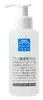 Key Ingredients
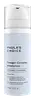
Benefits
Concerns
No concerns
Ingredients Side-by-side
Water
Skin ConditioningButylene Glycol
Humectant

Betaine
Humectant
1,2-Hexanediol
Skin Conditioning
Dipeptide-15
Skin Conditioning
Serine
Masking
Alanine
Masking
Glycine
Buffering
Threonine
Lysine Hcl
Skin Conditioning
Arginine
Masking
Glutamic Acid
Humectant
Proline
Skin Conditioning
PCA
Humectant
Sodium PCA
Humectant
Sodium Lactate
Buffering
Hydroxypropyltrimonium Hyaluronate
Inositol
Humectant
Glycosyl Trehalose
Emulsion StabilisingHydrogenated Starch Hydrolysate
HumectantTetrasodium Glutamate Diacetate
ChelatingCarbomer
Emulsion StabilisingPolyacrylate Crosspolymer-6
Emulsion StabilisingSodium Glycolate
BufferingWater, Butylene Glycol, Betaine, 1,2-Hexanediol, Dipeptide-15, Serine, Alanine, Glycine, Threonine, Lysine Hcl, Arginine, Glutamic Acid, Proline, PCA, Sodium PCA, Sodium Lactate, Hydroxypropyltrimonium Hyaluronate, Inositol, Glycosyl Trehalose, Hydrogenated Starch Hydrolysate, Tetrasodium Glutamate Diacetate, Carbomer, Polyacrylate Crosspolymer-6, Sodium Glycolate
Water
Skin ConditioningButyrospermum Parkii Butter
Skin Conditioning




Ceteareth-6 Olivate
EmulsifyingButylene Glycol
Humectant
C13-15 Alkane
SolventGlycerin
Humectant
Glyceryl Stearate
Emollient
Polyglyceryl-4 Laurate
Emulsifying
Decyl Oleate
Emollient
Linum Usitatissimum Seed Oil
Perfuming

Salvia Hispanica Seed Oil
Emollient
Olea Europaea Fruit Oil
Masking
Passiflora Edulis Seed Oil
Emollient
Borago Officinalis Seed Oil
Emollient
Hydrogenated Olive Oil
Skin Conditioning
Psidium Guajava Fruit Extract
AstringentOlea Europaea Oil Unsaponifiables
Skin Conditioning
Limnanthes Alba Seed Oil
Skin Conditioning
Linoleic Acid
Cleansing
Linolenic Acid
Cleansing
Oleic Acid
Emollient
Euterpe Oleracea Sterols
Skin ConditioningCeramide AP
Skin Conditioning

Ceramide EOP
Skin Conditioning
Ceramide NP
Skin Conditioning
Serine
Masking
Alanine
Masking
Glycine
Buffering
Proline
Skin Conditioning
Lysine Hcl
Skin Conditioning
Threonine
Arginine
Masking
Squalane
Emollient
Cholesterol
Emollient
Phytosphingosine
Skin Conditioning
Anastatica Hierochuntica Extract
AstringentLecithin
Emollient
Sodium Hyaluronate
Humectant
Sodium Lactate
Buffering
Boerhavia Diffusa Root Extract
Skin Protecting
Adenosine
Skin Conditioning
Phytic Acid
Chelating

Glutamic Acid
Humectant
Betaine
Humectant
Pullulan
PCA
Humectant
Sodium PCA
Humectant
Carbomer
Emulsion StabilisingSodium Polyacrylate Starch
AbsorbentSclerotium Gum
Emulsion StabilisingXanthan Gum
EmulsifyingSodium Lauroyl Lactylate
EmulsifyingPhenoxyethanol
Preservative
Ethylhexylglycerin
Skin ConditioningWater, Butyrospermum Parkii Butter, Ceteareth-6 Olivate, Butylene Glycol, C13-15 Alkane, Glycerin, Glyceryl Stearate, Polyglyceryl-4 Laurate, Decyl Oleate, Linum Usitatissimum Seed Oil, Salvia Hispanica Seed Oil, Olea Europaea Fruit Oil, Passiflora Edulis Seed Oil, Borago Officinalis Seed Oil, Hydrogenated Olive Oil, Psidium Guajava Fruit Extract, Olea Europaea Oil Unsaponifiables, Limnanthes Alba Seed Oil, Linoleic Acid, Linolenic Acid, Oleic Acid, Euterpe Oleracea Sterols, Ceramide AP, Ceramide EOP, Ceramide NP, Serine, Alanine, Glycine, Proline, Lysine Hcl, Threonine, Arginine, Squalane, Cholesterol, Phytosphingosine, Anastatica Hierochuntica Extract, Lecithin, Sodium Hyaluronate, Sodium Lactate, Boerhavia Diffusa Root Extract, Adenosine, Phytic Acid, Glutamic Acid, Betaine, Pullulan, PCA, Sodium PCA, Carbomer, Sodium Polyacrylate Starch, Sclerotium Gum, Xanthan Gum, Sodium Lauroyl Lactylate, Phenoxyethanol, Ethylhexylglycerin
Reviews
Ingredients Explained
These ingredients are found in both products.
Ingredients higher up in an ingredient list are typically present in a larger amount.
Alanine is an amino acid and is already found in the human body. Our skin uses alanine to build collagen, elastin, and keratin.
Arginine is a semi-essential amino acid. This just means our bodies can product a bit on its own, but sometimes needs a little boost from food sources.
It is a part of your skin's natural moisturizing factor (NMF), or the water-loving molecules in your outermost layer of skin (stratum corneum) that keeps everything hydrated and happy.
Here's an interesting thing about Arginine: your skin converts it into urea through the Krebs-Henseleit urea cycle. Urea is one of the most effective humectants your skin naturally produces.
A clinical study showed applying 2.5% arginine hydrochloride to atopic dermatitis skin showed significant urea levels in the stratum corneum and improved moisture in just four weeks.
Arginine is also a precursor to nitric oxide; nitric oxide improves microcirculation and supports wound healing and collagen synthesis.
One study found that an amino acid complex containing Arginine reduced skin irritation, improved hydration, and accelerated skin repair in clinical / in-vivo studies.
Arginine itself is an amino acid and not a fatty acid, oil, or ester. On its own, it's not a direct food source for Malassezia, or the yeast that causes fungal acne.
Learn more about ArginineBetaine is a humectant. Like hyaluronic acid, it helps attract and retain moisture in the skin. It’s known for being gentle and for helping the skin maintain balanced hydration.
Betaine is mainly used to improve hydration and support calmer skin. It helps skin cells regulate water balance because it functions as an osmolyte.
Some studies suggest betaine may support making skin tone more even.
Fun fact: Betaine naturally exists in the skin and the body. In cosmetic products, it can be either plant-derived (most commonly from sugar beets) or synthetically produced for consistency and stability.
Betaine is also known as trimethylglycine.
Learn more about BetaineButylene Glycol (or BG) is used within cosmetic products for a few different reasons:
Overall, Butylene Glycol is a safe and well-rounded ingredient that works well with other ingredients.
Though this ingredient works well with most skin types, some people with sensitive skin may experience a reaction such as allergic rashes, closed comedones, or itchiness.
Learn more about Butylene GlycolCarbomer is a synthetic thickening and gelling agent. It's basically the ingredient that gives a lot of serums, gels, creams, and sunscreens their smooth, non-sticky texture.
Although legally permitted at very high levels, carbomers are normally used at concentrations below 1%.
It also needs to be neutralized to actually thicken, and because it is a large molecule, it doesn't really penetrate the skin barrier.
Allergy-wise, the risk is very low. Clinical studies show carbomers have low potential for skin irritation/sensitization even at concentrations up to 100%.
A 2024 UK study patch-tested 1,302 patients and found true allergy to the parent group of carbomer to be rare with no confirmed relevant reactions.
Learn more about CarbomerGlutamic Acid is an amino acid that is found in all living organisms. Our bodies use this to help nerve cells in the brain communicate with other cells.
In cosmetics, glutamic acid is a famous humectant. It draws water from the air to your skin, keeping your skin hydrated (like hyaluronic acid).
An in-vitro study from 2024 found glutamic acid to play a role in inhibiting inflammation and thus a potential skin-soothing ingredient.
Other studies show it to be have potential wound healing, skin barrier repair, and hair growth properties.
Glutamic acid has poor solubility in water and other solvents.
Learn more about Glutamic AcidGlycine is the smallest amino acid and a key building block of collagen. It's part if your skin's Natural Moisturizing Factor (NMF), or the water-loving molecules in your outermost layer of skin (stratum corneum) that keeps everything hydrated and happy.
A study from 2022 found that an amino acid complex featuring taurine, arginine, and glycine significantly reduced skin irritation, improved redness, and accelerated the skin repair process.
Lysine HCl is an alpha amino acid salt.
Our skin uses amino acids as a precursor for building protein, and therefore keratins, collagen and elastin.
PCA is an amino acid derivative and one of the star players in your skin's own Natural Moisturizing Factor (NMF).
The NMF is the built-in cocktail of small molecules that keeps your outer layer of skin hydrated and your body makes it naturally.
This is why it works so well topically; PCA is a humectant that holds water in the stratum corneum and studies link higher skin PCA levels to better hydration + lower water loss. Interestingly, people show more PCA in summer and in normal vs dry skin.
Most of the benefits of this ingredient are related to hydration, softness, and barrier support.
A long-running review found that formulas with at least 2% PCA or its salts improved dry skin over both the short and long term. And the zinc salt is also used for its mild antimicrobial and astringent properties.
The salt forms are more common in cosmetics (like sodium PCA).
This ingredient is compatible with basically everything and pairs well with other humectants like glycerin or hyaluronic acid.
Usage-wise, it's typically used at low percentages (~0.2-2%).
The Cosmetic Ingredient Review Expert Panel has concluded PCA and its salts are safe as used and is non-irritating on skin even at high concentrations.
Learn more about PCAProline is a non-essential amino acid, meaning your body can make it on its own. In skincare, it is a skin conditioning ingredient that keeps skin soft and hydrated.
It makes up about 23% of the collagen molecule (collagen is the protein responsible for keeping your skin firm) and is involved in your skin's natural hyaluronic acid production. When applied topically, proline can penetrate the skin fairly well due to its small molecular size.
Reviews of this ingredient have found it to be neither a dermal irritant nor a sensitizer.
Fun fact: Proline can be found in protein-rich foods like meat, fish, eggs, and dairy.
Learn more about ProlineSerine is a non-essential amino acid (your body makes it on its own!). It is a major player in your skin's natural moisturizing factor (NMF), or the water-loving molecules in your outermost layer of skin (stratum corneum) that keeps everything hydrated and happy.
Serine is one of your NMF's most abundant components that works as a skin-identical humectant. Its hydroxyl group grabs onto water molecules to boost hydration without any heaviness or occlusion.
Research on a hydrogel with serine confirmed this serine got delivered to your stratum corneum and demonstrated enhanced skin moisturization.
Interestingly serine also helps your skin produce filaggrin, a protein that keeps your skin barrier strong and used to create collagen.
Learn more about SerineSodium Lactate is the sodium salt of lactic acid, an AHA. It is a humectant and sometimes used to adjust the pH of a product.
This ingredient is part of our skin's NMF, or natural moisturizing factor. Our NMF is essential for the hydration of our top skin layers and plasticity of skin. NMF also influences our skin's natural acid mantle and pH, which protects our skin from harmful bacteria.
High percentages of Sodium Lactate can have an exfoliating effect.
Fun fact: Sodium Lactate is produced from fermented sugar.
Learn more about Sodium LactateSodium PCA (the salt of PCA) is one of the most well-established humectants in skincare.
Why is it so special? Your skin already makes it naturally; it's a natural component of your skin's Natural Moisturizing Factor (NMF), or the mix of water-binding compounds inside your skin cells that keeps things soft and hydrated.
As a cosmetic ingredient, it grabs water and holds it in the upper layers of skin to smooth roughness and ease dehydration.
There's some clinical support for the NMF approach with a study showing that a cream built to mimic the skin's NMF significantly boosted hydration.
Safety-wise, this ingredient non-irritating, non-comedogenic, and non-phototoxic in testing, with minimal skin absorption.
It also works really well with other hydrators like glycerin or hyaluronic acid, and typical usage is somewhere between 0.2-4%.
Learn more about Sodium PCAThreonine is an amino-acid. It helps hydrate the skin and has antioxidant benefits.
Our skin uses threonine for creating collagen and elastin. Humans are not able to create threonine and must get it through eating foods such as fish, lentils, poultry, sesame seeds, and more.
Water. It's the most common cosmetic ingredient of all. You'll usually see it at the top of ingredient lists, meaning that it makes up the largest part of the product.
So why is it so popular? Water most often acts as a solvent - this means that it helps dissolve other ingredients into the formulation.
You'll also recognize water as that liquid we all need to stay alive. If you see this, drink a glass of water. Remember to stay hydrated!
Learn more about Water

