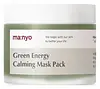
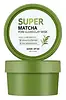
This wash off mask is made with Kaolin and Camellia Sinensis Leaf Extract for a rinse-off oil-control boost.

What's inside
What's inside
 Key Ingredients
Benefits
Concerns
Ingredients Side-by-side
Camellia Sinensis Leaf Water
Masking
Kaolin
Abrasive



Glycerin
Humectant


Cetearyl Olivate


Sorbitan Olivate
Emulsifying
Camellia Sinensis Leaf Extract
Antimicrobial




Artemisia Vulgaris Extract
Skin Conditioning
Phaseolus Radiatus Seed Extract
Skin ConditioningCentella Asiatica Extract
Cleansing
Camellia Sinensis Leaf Powder
Isoamyl Laurate
Emollient
Caprylic/Capric Triglyceride
Masking
Titanium Dioxide
Cosmetic Colorant

Melaleuca Alternifolia Leaf Water
Antimicrobial
Rosa Canina Fruit Extract
Astringent
Chlorella Vulgaris Powder
Skin ConditioningMaltodextrin
Absorbent
Tagetes Erecta Flower Extract
Perfuming
Caramel
Cosmetic ColorantZanthoxylum Piperitum Fruit Extract
Skin ConditioningPulsatilla Koreana Extract
Skin ConditioningUsnea Barbata Extract
Spirodela Polyrhiza Extract
Skin ConditioningChromium Oxide Greens
Squalane
Emollient
Aloe Barbadensis Leaf Juice
Skin Conditioning
Mentha Piperita Oil
Masking





Glyceryl Caprylate
Emollient1,2-Hexanediol
Skin Conditioning
Butylene Glycol
Humectant
Glycyrrhiza Glabra Root Extract
Bleaching
Persea Gratissima Fruit Extract
EmollientMacadamia Integrifolia Seed Oil
Skin Conditioning
Camellia Sinensis Leaf Water, Kaolin, Glycerin, Cetearyl Olivate, Sorbitan Olivate, Camellia Sinensis Leaf Extract, Artemisia Vulgaris Extract, Phaseolus Radiatus Seed Extract, Centella Asiatica Extract, Camellia Sinensis Leaf Powder, Isoamyl Laurate, Caprylic/Capric Triglyceride, Titanium Dioxide, Melaleuca Alternifolia Leaf Water, Rosa Canina Fruit Extract, Chlorella Vulgaris Powder, Maltodextrin, Tagetes Erecta Flower Extract, Caramel, Zanthoxylum Piperitum Fruit Extract, Pulsatilla Koreana Extract, Usnea Barbata Extract, Spirodela Polyrhiza Extract, Chromium Oxide Greens, Squalane, Aloe Barbadensis Leaf Juice, Mentha Piperita Oil, Glyceryl Caprylate, 1,2-Hexanediol, Butylene Glycol, Glycyrrhiza Glabra Root Extract, Persea Gratissima Fruit Extract, Macadamia Integrifolia Seed Oil
Water
Skin ConditioningKaolin
Abrasive
Glycerin
Humectant
Camellia Sinensis Leaf Water
Masking
CI 77891
Cosmetic ColorantBentonite
Absorbent
Magnesium Aluminum Silicate
Absorbent
Chamaecyparis Obtusa Leaf Extract
Skin ConditioningSilica
Abrasive
Manicouagan Clay
AbsorbentCamellia Sinensis Leaf
Perfuming
Camellia Sinensis Leaf Powder
Houttuynia Cordata Powder
Skin ConditioningCentella Asiatica Extract
Cleansing
Camellia Sinensis Leaf Extract
Antimicrobial
Salix Alba Bark Extract
Astringent
Rosa Rugosa Leaf Extract
HumectantMelissa Officinalis Leaf Extract
Skin ConditioningMelaleuca Alternifolia Leaf Water
Antimicrobial
Allantoin
Skin Conditioning
Madecassic Acid
Skin Conditioning
Asiaticoside
Antioxidant
Asiatic Acid
Skin Conditioning
Capryloyl Salicylic Acid
Exfoliating
Butylene Glycol
Humectant
Caprylyl Glycol
Emollient
Xanthan Gum
EmulsifyingPolyvinyl Alcohol
1,2-Hexanediol
Skin Conditioning
Benzyl Glycol
SolventEthylhexylglycerin
Skin ConditioningRaspberry Ketone
Masking
Parfum
Masking
Water, Kaolin, Glycerin, Camellia Sinensis Leaf Water, CI 77891, Bentonite, Magnesium Aluminum Silicate, Chamaecyparis Obtusa Leaf Extract, Silica, Manicouagan Clay, Camellia Sinensis Leaf, Camellia Sinensis Leaf Powder, Houttuynia Cordata Powder, Centella Asiatica Extract, Camellia Sinensis Leaf Extract, Salix Alba Bark Extract, Rosa Rugosa Leaf Extract, Melissa Officinalis Leaf Extract, Melaleuca Alternifolia Leaf Water, Allantoin, Madecassic Acid, Asiaticoside, Asiatic Acid, Capryloyl Salicylic Acid, Butylene Glycol, Caprylyl Glycol, Xanthan Gum, Polyvinyl Alcohol, 1,2-Hexanediol, Benzyl Glycol, Ethylhexylglycerin, Raspberry Ketone, Parfum
Reviews
Ingredients Explained
These ingredients are found in both products.
Ingredients higher up in an ingredient list are typically present in a larger amount.
1,2-Hexanediol is a synthetic liquid and another multi-functional powerhouse.
It is a:
- Humectant, drawing moisture into the skin
- Emollient, helping to soften skin
- Solvent, dispersing and stabilizing formulas
- Preservative booster, enhancing the antimicrobial activity of other preservatives
Butylene Glycol (or BG) is used within cosmetic products for a few different reasons:
Overall, Butylene Glycol is a safe and well-rounded ingredient that works well with other ingredients.
Though this ingredient works well with most skin types, some people with sensitive skin may experience a reaction such as allergic rashes, closed comedones, or itchiness.
Learn more about Butylene GlycolCamellia Sinensis Leaf Extract (tea extract) is one of the most well-researched plant extracts in skincare with an impressive resume.
Black tea, green tea, and oolong tea are all harvested from the Camellia Sinensis plant.
Studies show green tea extract and its catechins (like epigallocatechin gallate (EGCG)) help your skin cells product energy more efficiently and reducing the number of free-radicals that can damage your skin from the inside.
In lab-grown skin models, this translated to younger, healthier, and stronger skin.
There's also good sun protection data; researchers saw less DNA damage and redness on human skin when green tea was applied before UVB exposure. And the more they applied, the better the protection.
Needless to say, this ingredient shouldn't replace your sunscreen. But it is a great supportive ingredient that you can already find in many sunscreens and antioxidant serums.
A 2009 study found a 2% green tea lotion was effective for mild-to-moderate acne thanks to its anti-inflammatory and mild antimicrobial activity.
The quality of the extract matters a lot here:
Good extracts contain 50-90% catechins while lower quality ones are mostly there for marketing. We recommend reaching out to the brand if you have questions about the quality or source of their ingredients.
Human Repeated Insult Patch Testing showed no irritation or sensitization at use concentrations (0.86% in leave-on products and up to 30% as leaf water).
Learn more about Camellia Sinensis Leaf ExtractCamellia Sinensis Leaf Water is also known as green tea hydrosol. It is the water leftover from steeping or steam-distilling tea.
It's mostly in cosmetics to lend a light tea scent and gentle refreshing feel (tonic) rather than acting as an active.
Unlike the extract, this ingredient only carries trace amounts of catechins, amino acids, and caffeine that makes tea leaf extract famous.
Learn more about Camellia Sinensis Leaf WaterCentella Asiatica Extract (Centella) is one of the most researched botanical extracts in skincare with decades of studies backing its effects on inflammation, collagen, and the skin barrier.
That research keeps pointing back to the same four triterpenoid saponins: Asiaticoside, Madecassoside, Asiatic Acid, and Madecassic Acid.
These compounds allow centella to dial back inflammation, encourage the skin to build and hold onto collagen, support the barrier and hydration, and bring solid antioxidant activity to protect against signs of aging.
Centella also carries a nice supporting cast of Vitamin A, vitamin C, several B vitamins, and amino acids. Put it all together and you get an ingredient that soothes, hydrates, and protects, all at once.
Most of centella's magic comes from the four big compounds (Asiaticoside, Madecassoside, Asiatic Acid, and Madecassic Acid). These are the actives doing the heavy lifting in almost every centella study.
Here is the short version of what they do in the skin:
So it is not just soothing for the sake of soothing. Centella calms the skin AND helps it rebuild.
Just FYI, not all centella on an ingredient list is the same. What you are getting actually depends on the extract:
Fun fact on the ratios: the leaves tend to be richest in Madecassoside and Asiaticoside, and lower in the two acids. The exact amounts shift with where the plant is grown and how it is processed. This means purity really does vary brand to brand.
Centella is one of the most easygoing actives out there.
It layers well with basically everything: niacinamide, hyaluronic acid, peptides, and vitamin C, and also pairs nicely with stronger actives like retinoids and exfoliating acids where it can help take the edge off irritation.
On the safety side, centella and its triterpenes are classified as weak sensitizers, meaning allergic reactions are possible but uncommon.
Patch tests at 1% and 5% came back negative in test panels, and creams at typical use levels did not cause allergic reactions across large groups of people.
But as with any new active, a patch test is still a smart move for very reactive skin.
Centella is widely used because it is effective at low percentages. For context, human safety testing found no meaningful irritation from creams containing centella extract at everyday use levels (the tested amounts were well under 1%).
The irritancy threshold in animal testing was also above 30% (so real-world formulas sit far below anything concerning).
In collagen lab studies, higher concentrations drove more collagen synthesis, so serums built around centella tend to feature it more prominently.
Bottom line: you will find centella working nicely anywhere from a fraction of a percent up to hero-ingredient levels depending on whether it is a supporting soother or the main event.
Fun fact: Centella has been used as a medicine and in food for many centuries. As a medicine, it is used to treat burns, scratches, and wounds.
Learn more about Centella Asiatica ExtractGlycerin (or glycerol) is a compound naturally found in your skin. It's a powerhouse humectant that pulls water into the stratum corneum.
Topically, glycerin does several things at once:
Your skin makes glycerin on its own (mostly from sebaceous oil breakdown) and shuttles it to your outermost layer of skin, or your epidermis, via aquaporin-3.
Aquaporin-3 is a transporter that is essential for normal skin hydration, elasticity, and repair. Interestingly, mice lacking in AQP3 have dry and less elastic skin that can be fully corrected with glycerin.
This ingredient is non-irritating, plays well with almost every ingredient, and works across all skin types. Typical use is anywhere between 3-10% but can go up to 79% in some leave-on products.
Just know very high concentrations (>40%) can feel tacky in low humidity.
Glycerin is the name for this ingredient in American English. British English uses Glycerol/Glycerine.
Learn more about GlycerinKaolin is a clay. It is used for oil control and to help minimize pores. Like other clays, kaolin has the ability to absorb excess sebum or oil. This can help clean out pores and mattify the skin.
Some types of kaolin may have exfoliating properties. When water is added to kaolin, it becomes a paste with small abrasive particles.
Most kaolin is a white color, but may be pink/orange/red depending on where it comes from.
The name 'kaolin' comes from a Chinese village named 'Gaoling'. Kaolin clay comes from rocks rich in kaolinite. Kaolinite, the mineral, has a silicate layered structure. Kaolinite is formed from chemical weathering of aluminum siilicate minerals.
Besides skincare, kaolin is commonly used to make glossy paper, in ceramics, toothpaste, and as medicine to soothe stomach issues.
Learn more about KaolinThis ingredient is also known as tea tree leaf water or tea tree hydrosol. It functions as an antimicrobial, anti-sebum, astringent, and tonic ingredient.
You can think of it as a gentler, water-version of tea tree oil.
Its star active is terpinen-4-ol, a broad-spectrum antimicrobial.
The water-soluble compounds of tea tree have been shown to calm inflammation by roughly 50% in vitro (with Terpinen-4-ol driving this).
Terpinen-4-ol has also demonstrated strong inhibitory activity against Propionibacterium acnes and Staphylococcus aureus.
Before slathering on tea tree water, just know concentrations under 5% are considered more suitable and safer than higher concentrations.
The European Medicines Agency recognizes tea tree-derived ingredients as having well-established use for mild acne and small superficial wounds.
It's a well-researched and skin-friendly option for oily or acne-prone skin.
As with most actives, patch testing is a good idea if your skin leans sensitive.
Learn more about Melaleuca Alternifolia Leaf WaterWe don't have a description for Camellia Sinensis Leaf Powder yet.


