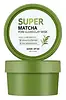
This wash off mask is made with Centella Asiatica Extract and Kaolin for a rinse-off pore-care boost.

What's inside
What's inside
 Key Ingredients
Benefits
Concerns
Ingredients Side-by-side
Water
Skin ConditioningKaolin
Abrasive



Glycerin
Humectant


Camellia Sinensis Leaf Water
Masking
CI 77891
Cosmetic ColorantBentonite
Absorbent
Magnesium Aluminum Silicate
Absorbent
Chamaecyparis Obtusa Leaf Extract
Skin ConditioningSilica
Abrasive
Manicouagan Clay
AbsorbentCamellia Sinensis Leaf
Perfuming

Camellia Sinensis Leaf Powder
Houttuynia Cordata Powder
Skin ConditioningCentella Asiatica Extract
Cleansing
Camellia Sinensis Leaf Extract
Antimicrobial

Salix Alba Bark Extract
Astringent
Rosa Rugosa Leaf Extract
HumectantMelissa Officinalis Leaf Extract
Skin ConditioningMelaleuca Alternifolia Leaf Water
Antimicrobial
Allantoin
Skin Conditioning
Madecassic Acid
Skin Conditioning
Asiaticoside
Antioxidant
Asiatic Acid
Skin Conditioning
Capryloyl Salicylic Acid
Exfoliating
Butylene Glycol
Humectant
Caprylyl Glycol
Emollient
Xanthan Gum
EmulsifyingPolyvinyl Alcohol
1,2-Hexanediol
Skin Conditioning
Benzyl Glycol
SolventEthylhexylglycerin
Skin ConditioningRaspberry Ketone
Masking
Parfum
Masking


Water, Kaolin, Glycerin, Camellia Sinensis Leaf Water, CI 77891, Bentonite, Magnesium Aluminum Silicate, Chamaecyparis Obtusa Leaf Extract, Silica, Manicouagan Clay, Camellia Sinensis Leaf, Camellia Sinensis Leaf Powder, Houttuynia Cordata Powder, Centella Asiatica Extract, Camellia Sinensis Leaf Extract, Salix Alba Bark Extract, Rosa Rugosa Leaf Extract, Melissa Officinalis Leaf Extract, Melaleuca Alternifolia Leaf Water, Allantoin, Madecassic Acid, Asiaticoside, Asiatic Acid, Capryloyl Salicylic Acid, Butylene Glycol, Caprylyl Glycol, Xanthan Gum, Polyvinyl Alcohol, 1,2-Hexanediol, Benzyl Glycol, Ethylhexylglycerin, Raspberry Ketone, Parfum
Melaleuca Alternifolia Leaf Extract
Perfuming
Water
Skin ConditioningDipropylene Glycol
HumectantCentella Asiatica Extract
Cleansing
Kaolin
Abrasive
Bentonite
Absorbent
Vigna Angularis Seed Extract
Skin ProtectingBetaine
Humectant
Melaleuca Alternifolia Leaf Water
Antimicrobial
1,2-Hexanediol
Skin Conditioning
Alcohol Denat.
Antimicrobial

Cellulose
Absorbent
Melaleuca Alternifolia Flower/Leaf/Stem Extract
Skin ConditioningArctium Lappa Root Extract
Skin Conditioning
Phellinus Linteus Extract
Skin ConditioningFicus Carica Fruit Extract
Humectant
Laminaria Japonica Extract
Skin Protecting
Eclipta Prostrata Leaf Extract
Skin ConditioningUlmus Davidiana Root Extract
Skin Conditioning
Amaranthus Caudatus Seed Extract
Skin Conditioning
Mentha Piperita Oil
Masking


Melaleuca Alternifolia Leaf Oil
Antioxidant
Sodium Hyaluronate
Humectant
Hydrogenated Lecithin
Emulsifying
Titanium Dioxide
Cosmetic Colorant

Xanthan Gum
EmulsifyingHydroxyacetophenone
Antioxidant
Ethylhexylglycerin
Skin ConditioningIllite
Abrasive
Butylene Glycol
Humectant
Montmorillonite
AbsorbentFructooligosaccharides
Humectant
Beta-Glucan
Skin Conditioning
Hydrolyzed Hyaluronic Acid
Humectant
Ceramide NP
Skin Conditioning
CI 77288
Cosmetic ColorantCI 77492
Cosmetic ColorantCI 77499
Cosmetic ColorantMelaleuca Alternifolia Leaf Extract, Water, Dipropylene Glycol, Centella Asiatica Extract, Kaolin, Bentonite, Vigna Angularis Seed Extract, Betaine, Melaleuca Alternifolia Leaf Water, 1,2-Hexanediol, Alcohol Denat., Cellulose, Melaleuca Alternifolia Flower/Leaf/Stem Extract, Arctium Lappa Root Extract, Phellinus Linteus Extract, Ficus Carica Fruit Extract, Laminaria Japonica Extract, Eclipta Prostrata Leaf Extract, Ulmus Davidiana Root Extract, Amaranthus Caudatus Seed Extract, Mentha Piperita Oil, Melaleuca Alternifolia Leaf Oil, Sodium Hyaluronate, Hydrogenated Lecithin, Titanium Dioxide, Xanthan Gum, Hydroxyacetophenone, Ethylhexylglycerin, Illite, Butylene Glycol, Montmorillonite, Fructooligosaccharides, Beta-Glucan, Hydrolyzed Hyaluronic Acid, Ceramide NP, CI 77288, CI 77492, CI 77499
Reviews
Ingredients Explained
These ingredients are found in both products.
Ingredients higher up in an ingredient list are typically present in a larger amount.
1,2-Hexanediol is a synthetic liquid and another multi-functional powerhouse.
It is a:
- Humectant, drawing moisture into the skin
- Emollient, helping to soften skin
- Solvent, dispersing and stabilizing formulas
- Preservative booster, enhancing the antimicrobial activity of other preservatives
Bentonite is an aluminium phyllosilicate clay with great absorbent properties. The name 'bentonite' comes from the area where the largest source is found: Fort Benton, Wyoming.
As a clay, bentonite is often used to absorb excess oil and provide exfoliation. It has also been shown to have some antibacterial and anti-inflammatory properties. Studies show bentonite was effective at calming dermatitis from poison ivy and in diaper dermatitis of infants. Bentonite has also been shown to act as a barrier against toxic compounds on your skin.
Sunscreens containing bentonite display higher water resistance and stay on the skin for much longer. The sunscreens containing bentonite also show higher potency and UV light absorbtion.
Bentonite is naturally created from volcanic ash and several natural weathering/hydrothermal processes.
A common usage of bentonite is removing excess protein from white wines. Bentonite contains a property of being able to absorb large amounts of protein from aqueous solutions.
Phyllosilicate clay has a structure formed by sheets.
Learn more about BentoniteButylene Glycol (or BG) is used within cosmetic products for a few different reasons:
Overall, Butylene Glycol is a safe and well-rounded ingredient that works well with other ingredients.
Though this ingredient works well with most skin types, some people with sensitive skin may experience a reaction such as allergic rashes, closed comedones, or itchiness.
Learn more about Butylene GlycolCentella Asiatica Extract (Centella) is one of the most researched botanical extracts in skincare with decades of studies backing its effects on inflammation, collagen, and the skin barrier.
That research keeps pointing back to the same four triterpenoid saponins: Asiaticoside, Madecassoside, Asiatic Acid, and Madecassic Acid.
These compounds allow centella to dial back inflammation, encourage the skin to build and hold onto collagen, support the barrier and hydration, and bring solid antioxidant activity to protect against signs of aging.
Centella also carries a nice supporting cast of Vitamin A, vitamin C, several B vitamins, and amino acids. Put it all together and you get an ingredient that soothes, hydrates, and protects, all at once.
Most of centella's magic comes from the four big compounds (Asiaticoside, Madecassoside, Asiatic Acid, and Madecassic Acid). These are the actives doing the heavy lifting in almost every centella study.
Here is the short version of what they do in the skin:
So it is not just soothing for the sake of soothing. Centella calms the skin AND helps it rebuild.
Just FYI, not all centella on an ingredient list is the same. What you are getting actually depends on the extract:
Fun fact on the ratios: the leaves tend to be richest in Madecassoside and Asiaticoside, and lower in the two acids. The exact amounts shift with where the plant is grown and how it is processed. This means purity really does vary brand to brand.
Centella is one of the most easygoing actives out there.
It layers well with basically everything: niacinamide, hyaluronic acid, peptides, and vitamin C, and also pairs nicely with stronger actives like retinoids and exfoliating acids where it can help take the edge off irritation.
On the safety side, centella and its triterpenes are classified as weak sensitizers, meaning allergic reactions are possible but uncommon.
Patch tests at 1% and 5% came back negative in test panels, and creams at typical use levels did not cause allergic reactions across large groups of people.
But as with any new active, a patch test is still a smart move for very reactive skin.
Centella is widely used because it is effective at low percentages. For context, human safety testing found no meaningful irritation from creams containing centella extract at everyday use levels (the tested amounts were well under 1%).
The irritancy threshold in animal testing was also above 30% (so real-world formulas sit far below anything concerning).
In collagen lab studies, higher concentrations drove more collagen synthesis, so serums built around centella tend to feature it more prominently.
Bottom line: you will find centella working nicely anywhere from a fraction of a percent up to hero-ingredient levels depending on whether it is a supporting soother or the main event.
Fun fact: Centella has been used as a medicine and in food for many centuries. As a medicine, it is used to treat burns, scratches, and wounds.
Learn more about Centella Asiatica ExtractEthylhexylglycerin is created from glycerin. It is a multitasker ingredient that:
The CIR Expert Panel found minimal skin absorption or sensitization of any kind in a safety assessment. Though this ingredient is considered well-tolerated, a small number of cases of allergic dermatitis have been published since 2002. Just be sure to patch test if you are unsure.
Industry-reported use ranges from 8% in rinse-off products and 2% in leave-on formulations.
Learn more about EthylhexylglycerinKaolin is a clay. It is used for oil control and to help minimize pores. Like other clays, kaolin has the ability to absorb excess sebum or oil. This can help clean out pores and mattify the skin.
Some types of kaolin may have exfoliating properties. When water is added to kaolin, it becomes a paste with small abrasive particles.
Most kaolin is a white color, but may be pink/orange/red depending on where it comes from.
The name 'kaolin' comes from a Chinese village named 'Gaoling'. Kaolin clay comes from rocks rich in kaolinite. Kaolinite, the mineral, has a silicate layered structure. Kaolinite is formed from chemical weathering of aluminum siilicate minerals.
Besides skincare, kaolin is commonly used to make glossy paper, in ceramics, toothpaste, and as medicine to soothe stomach issues.
Learn more about KaolinThis ingredient is also known as tea tree leaf water or tea tree hydrosol. It functions as an antimicrobial, anti-sebum, astringent, and tonic ingredient.
You can think of it as a gentler, water-version of tea tree oil.
Its star active is terpinen-4-ol, a broad-spectrum antimicrobial.
The water-soluble compounds of tea tree have been shown to calm inflammation by roughly 50% in vitro (with Terpinen-4-ol driving this).
Terpinen-4-ol has also demonstrated strong inhibitory activity against Propionibacterium acnes and Staphylococcus aureus.
Before slathering on tea tree water, just know concentrations under 5% are considered more suitable and safer than higher concentrations.
The European Medicines Agency recognizes tea tree-derived ingredients as having well-established use for mild acne and small superficial wounds.
It's a well-researched and skin-friendly option for oily or acne-prone skin.
As with most actives, patch testing is a good idea if your skin leans sensitive.
Learn more about Melaleuca Alternifolia Leaf WaterWater. It's the most common cosmetic ingredient of all. You'll usually see it at the top of ingredient lists, meaning that it makes up the largest part of the product.
So why is it so popular? Water most often acts as a solvent - this means that it helps dissolve other ingredients into the formulation.
You'll also recognize water as that liquid we all need to stay alive. If you see this, drink a glass of water. Remember to stay hydrated!
Learn more about WaterXanthan gum is used as a stabilizer and thickener within cosmetic products. It helps give products a sticky, thick feeling - preventing them from being too runny.
On the technical side of things, xanthan gum is a polysaccharide - a combination consisting of multiple sugar molecules bonded together.
Xanthan gum is a pretty common and great ingredient. It is a natural, non-toxic, non-irritating ingredient that is also commonly used in food products.
Learn more about Xanthan Gum

