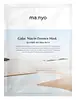
This brightening sheet mask is formulated around Niacinamide and Galactomyces Ferment Filtrate to brighten dull-looking skin and refine skin texture.
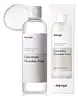
This smoothing toner is formulated around Galactomyces Ferment Filtrate and Gluconolactone to refine skin texture and refine the look of pores.

What's inside
What's inside
 Key Ingredients
Benefits
Concerns
Ingredients Side-by-side
Water
Skin ConditioningMethylpropanediol
Solvent1,2-Hexanediol
Skin Conditioning
Glycerin
Humectant

Niacinamide 2%
Smoothing









Butylene Glycol
Humectant
Galactomyces Ferment Filtrate
Humectant

Glycyrrhiza Uralensis Root Extract
Skin Conditioning
Chrysanthemum Zawadskii Extract
Skin ConditioningAnastatica Hierochuntica Extract
AstringentAlthaea Rosea Flower Extract
Skin ConditioningHamamelis Virginiana Water
Astringent


Hydrolyzed Hyaluronic Acid
Humectant
Hyaluronic Acid
Humectant
Sodium Hyaluronate
Humectant
Cyperus Rotundus Root Extract
Skin ConditioningLeonurus Sibiricus Extract
Skin ConditioningPaeonia Albiflora Flower Extract
TonicHydroxyethyl Urea
Humectant
Allantoin
Skin Conditioning
Tromethamine
BufferingEthylhexylglycerin
Skin ConditioningCentella Asiatica Extract
Cleansing
Lactobacillus Ferment
Skin Conditioning
Gynostemma Pentaphyllum Leaf/Stem Extract
Antioxidant
Oenothera Biennis Flower Extract
AstringentPinus Palustris Leaf Extract
TonicPueraria Thunbergiana Root Extract
Skin ConditioningUlmus Davidiana Root Extract
Skin Conditioning
Artemisia Capillaris Extract
Polyglyceryl-10 Laurate
Skin Conditioning
Polyglyceryl-10 Myristate
Skin Conditioning
Panthenol
Skin Conditioning
Sodium Phytate
Glutathione
Glycine
Buffering
Serine
Masking
Glutamic Acid
Humectant
Aspartic Acid
Masking
Leucine
Skin ConditioningAlanine
Masking
Lysine
Skin ConditioningArginine
Masking
Tyrosine
MaskingPhenylalanine
Masking
Proline
Skin Conditioning
Threonine
Valine
MaskingIsoleucine
Skin ConditioningHistidine
Humectant
Cysteine
Antioxidant
Methionine
Skin ConditioningCarbomer
Emulsion StabilisingCaffeine
Skin Conditioning
Xanthan Gum
EmulsifyingAdenosine
Skin Conditioning
Water, Methylpropanediol, 1,2-Hexanediol, Glycerin, Niacinamide 2%, Butylene Glycol, Galactomyces Ferment Filtrate, Glycyrrhiza Uralensis Root Extract, Chrysanthemum Zawadskii Extract, Anastatica Hierochuntica Extract, Althaea Rosea Flower Extract, Hamamelis Virginiana Water, Hydrolyzed Hyaluronic Acid, Hyaluronic Acid, Sodium Hyaluronate, Cyperus Rotundus Root Extract, Leonurus Sibiricus Extract, Paeonia Albiflora Flower Extract, Hydroxyethyl Urea, Allantoin, Tromethamine, Ethylhexylglycerin, Centella Asiatica Extract, Lactobacillus Ferment, Gynostemma Pentaphyllum Leaf/Stem Extract, Oenothera Biennis Flower Extract, Pinus Palustris Leaf Extract, Pueraria Thunbergiana Root Extract, Ulmus Davidiana Root Extract, Artemisia Capillaris Extract, Polyglyceryl-10 Laurate, Polyglyceryl-10 Myristate, Panthenol, Sodium Phytate, Glutathione, Glycine, Serine, Glutamic Acid, Aspartic Acid, Leucine, Alanine, Lysine, Arginine, Tyrosine, Phenylalanine, Proline, Threonine, Valine, Isoleucine, Histidine, Cysteine, Methionine, Carbomer, Caffeine, Xanthan Gum, Adenosine
Water
Skin ConditioningGalactomyces Ferment Filtrate
Humectant
Glycerin
Humectant
Butylene Glycol
Humectant
Propanediol
Solvent
Pentylene Glycol
Skin Conditioning
Oryza Sativa Bran Extract
Skin Conditioning
Phaseolus Radiatus Seed Extract
Skin ConditioningGlycine Soja Seed Extract
Skin Conditioning
Salix Alba Bark Extract
Astringent
Carica Papaya Fruit Extract
Skin ConditioningRosmarinus Officinalis Leaf Extract
Antimicrobial1,2-Hexanediol
Skin Conditioning
Panthenol
Skin Conditioning
Betaine
Humectant
Allantoin
Skin Conditioning
Gluconolactone
Skin Conditioning
Ethylhexylglycerin
Skin ConditioningCapryloyl Salicylic Acid
Exfoliating
Xanthan Gum
EmulsifyingOctanediol
Tocopherol
Antioxidant
Disodium EDTA
Water, Galactomyces Ferment Filtrate, Glycerin, Butylene Glycol, Propanediol, Pentylene Glycol, Oryza Sativa Bran Extract, Phaseolus Radiatus Seed Extract, Glycine Soja Seed Extract, Salix Alba Bark Extract, Carica Papaya Fruit Extract, Rosmarinus Officinalis Leaf Extract, 1,2-Hexanediol, Panthenol, Betaine, Allantoin, Gluconolactone, Ethylhexylglycerin, Capryloyl Salicylic Acid, Xanthan Gum, Octanediol, Tocopherol, Disodium EDTA
Reviews
Ingredients Explained
These ingredients are found in both products.
Ingredients higher up in an ingredient list are typically present in a larger amount.
1,2-Hexanediol is a synthetic liquid and another multi-functional powerhouse.
It is a:
- Humectant, drawing moisture into the skin
- Emollient, helping to soften skin
- Solvent, dispersing and stabilizing formulas
- Preservative booster, enhancing the antimicrobial activity of other preservatives
Allantoin is a soothing ingredient known for its protective and moisturizing properties; it's basically a quiet workhorse ingredient you can find in a huge range of cosmetics.
Though it can be derived from the comfrey plant, allantoin is produced synthetically for cosmetic products to ensure purity.
Research shows it can encourage your skin cells to turn over and renew by stimulating keratinocyte and fibroblast proliferation.
It also has mild keratolytic properties to help loosen and shed dead skin cells without being harsh.
Studies also suggest allantoin can help calm inflammation by dialing down some of the chemical signals your skin sends out when it is irritated.
This ingredient is typically used in the 0.1-0.5% range, and the FDA recognizes it as a skin protectant in OTC products up to 2%.
Overall, allantoin is a wonderful addition to most routines; it is stable across a wide pH range (~4-8), works well with other ingredients, and is considered non-sensitizing/non-irritating.
Fun fact: Allantoin is naturally occurring in comfrey root, beets, chamomile, and wheat sprouts. Our bodies even produce it as a byproduct of uric acid metabolism.
Learn more about AllantoinButylene Glycol (or BG) is used within cosmetic products for a few different reasons:
Overall, Butylene Glycol is a safe and well-rounded ingredient that works well with other ingredients.
Though this ingredient works well with most skin types, some people with sensitive skin may experience a reaction such as allergic rashes, closed comedones, or itchiness.
Learn more about Butylene GlycolEthylhexylglycerin is created from glycerin. It is a multitasker ingredient that:
The CIR Expert Panel found minimal skin absorption or sensitization of any kind in a safety assessment. Though this ingredient is considered well-tolerated, a small number of cases of allergic dermatitis have been published since 2002. Just be sure to patch test if you are unsure.
Industry-reported use ranges from 8% in rinse-off products and 2% in leave-on formulations.
Learn more about EthylhexylglycerinGalactomyces Ferment Filtrate (GFF) is a byproduct of fermenting Galactomyces yeast (the same yeast traditionally used to brew sake, Japan's beloved rice wine).
Sake brewers have long been known for their remarkably youthful hands. This is what actually first sparked scientific interest in GFF's skin benefits.
GFF works by stimulating filaggrin production in the skin. Filaggrin is a protein that binds structural proteins in the outer skin layer together to form a tight barrier that shields against allergens, bacteria, and moisture loss.
It's also a key building block of our natural moisturizing factors (NMF), or the network of compounds that keep skin plump and hydrated.
By boosting filaggrin, GFF helps strengthen both our barrier and our skin's ability to retain moisture.
Beyond hydration, GFF has notable antioxidant properties that help protect against oxidative stress and UV-induced inflammation.
Research also suggests it may help regulate sebum and keratin production. This could be an interesting option for those concerned about oiliness or skin texture.
Fungal acne:
This ingredient doesn't contain fatty acids or oils that could feed Malassezia, and the yeast used to make it (Galactomyces) is a different genera of fungi from Malassezia. The presence of one doesn't stimulate the other.
However, there is a concern raised by some communities that this ingredient could trigger a reaction in people who are broadly sensitive to yeast/fungal-derived ingredients.
Learn more about Galactomyces Ferment FiltrateGlycerin (or glycerol) is a compound naturally found in your skin. It's a powerhouse humectant that pulls water into the stratum corneum.
Topically, glycerin does several things at once:
Your skin makes glycerin on its own (mostly from sebaceous oil breakdown) and shuttles it to your outermost layer of skin, or your epidermis, via aquaporin-3.
Aquaporin-3 is a transporter that is essential for normal skin hydration, elasticity, and repair. Interestingly, mice lacking in AQP3 have dry and less elastic skin that can be fully corrected with glycerin.
This ingredient is non-irritating, plays well with almost every ingredient, and works across all skin types. Typical use is anywhere between 3-10% but can go up to 79% in some leave-on products.
Just know very high concentrations (>40%) can feel tacky in low humidity.
Glycerin is the name for this ingredient in American English. British English uses Glycerol/Glycerine.
Learn more about GlycerinPanthenol is a common ingredient that helps hydrate and soothe the skin. It is found naturally in our skin and hair.
There are two forms of panthenol: D and L.
D-panthenol is also known as dexpanthenol. Most cosmetics use dexpanthenol or a mixture of D and L-panthenol.
Panthenol is famous due to its ability to go deeper into the skin's layers. Using this ingredient has numerous pros (and no cons):
Like hyaluronic acid, panthenol is a humectant. Humectants are able to bind and hold large amounts of water to keep skin hydrated.
This ingredient works well for wound healing. It works by increasing tissue in the wound and helps close open wounds.
Once oxidized, panthenol converts to pantothenic acid. Panthothenic acid is found in all living cells.
This ingredient is also referred to as pro-vitamin B5.
Learn more about PanthenolWater. It's the most common cosmetic ingredient of all. You'll usually see it at the top of ingredient lists, meaning that it makes up the largest part of the product.
So why is it so popular? Water most often acts as a solvent - this means that it helps dissolve other ingredients into the formulation.
You'll also recognize water as that liquid we all need to stay alive. If you see this, drink a glass of water. Remember to stay hydrated!
Learn more about WaterXanthan gum is used as a stabilizer and thickener within cosmetic products. It helps give products a sticky, thick feeling - preventing them from being too runny.
On the technical side of things, xanthan gum is a polysaccharide - a combination consisting of multiple sugar molecules bonded together.
Xanthan gum is a pretty common and great ingredient. It is a natural, non-toxic, non-irritating ingredient that is also commonly used in food products.
Learn more about Xanthan Gum

