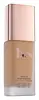
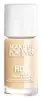
Lys Beauty Triple Fix Serum Foundation Versus Make Up For Ever HD Skin Hydra Glow Hydrating Foundation


What's inside
What's inside
 Key Ingredients
Benefits
Concerns
Ingredients Side-by-side
Water
Skin ConditioningCoco-Caprylate
Emollient

Glycerin
Humectant

Persea Gratissima Oil
Skin Conditioning




Polyglyceryl-2 Dipolyhydroxystearate
Skin Conditioning
Capryloyl Glycerin/Sebacic Acid Copolymer
Skin ConditioningCaprylic/Capric Triglyceride
Masking
Hydrogenated Rapeseed Oil
Emollient
Polyglyceryl-3 Diisostearate
Emulsifying
Sodium Chloride
MaskingSilica
Abrasive


Simmondsia Chinensis Seed Oil
Emollient
Ethylhexyl Palmitate
Emollient
Tocopherol
Antioxidant





Curcuma Longa Root Extract
Antioxidant
Panax Quinquefolius Root Extract
AstringentVitis Vinifera Seed Extract
Antimicrobial
Withania Somnifera Root Extract
Skin Conditioning
Sodium Hyaluronate
Humectant
Evodia Rutaecarpa Fruit Extract
Skin ConditioningStearalkonium Hectorite
Gel FormingPropylene Carbonate
SolventTriethoxycaprylylsilane

Propanediol
Solvent
Phenoxyethanol
Preservative
Sodium Dehydroacetate
Preservative
Ethylhexylglycerin
Skin ConditioningCI 77891
Cosmetic ColorantIron Oxides
Water, Coco-Caprylate, Glycerin, Persea Gratissima Oil, Polyglyceryl-2 Dipolyhydroxystearate, Capryloyl Glycerin/Sebacic Acid Copolymer, Caprylic/Capric Triglyceride, Hydrogenated Rapeseed Oil, Polyglyceryl-3 Diisostearate, Sodium Chloride, Silica, Simmondsia Chinensis Seed Oil, Ethylhexyl Palmitate, Tocopherol, Curcuma Longa Root Extract, Panax Quinquefolius Root Extract, Vitis Vinifera Seed Extract, Withania Somnifera Root Extract, Sodium Hyaluronate, Evodia Rutaecarpa Fruit Extract, Stearalkonium Hectorite, Propylene Carbonate, Triethoxycaprylylsilane, Propanediol, Phenoxyethanol, Sodium Dehydroacetate, Ethylhexylglycerin, CI 77891, Iron Oxides
Water
Skin ConditioningCitrus Limon Fruit Extract
Masking
Dicaprylyl Carbonate
EmollientPolyglyceryl-2 Dipolyhydroxystearate
Skin Conditioning
C13-15 Alkane
SolventIsododecane
EmollientPropanediol
Solvent
Glycerin
Humectant
Polyglyceryl-3 Diisostearate
Emulsifying
Pentylene Glycol
Skin Conditioning
Heptyl Undecylenate
EmollientSynthetic Fluorphlogopite
Simmondsia Chinensis Seed Oil
Emollient
Sodium Chloride
MaskingC18-21 Alkane
SolventStearalkonium Hectorite
Gel FormingUndecane
EmollientCocos Nucifera Fruit Extract
Emollient
Tridecane
Perfuming
Persea Gratissima Oil
Skin Conditioning
Tocopheryl Acetate
Antioxidant
Dimethicone/Vinyl Dimethicone Crosspolymer
Skin Conditioning
Sodium Dehydroacetate
Preservative
Propylene Carbonate
SolventTriethoxysilylethyl Polydimethylsiloxyethyl Hexyl Dimethicone
Skin Conditioning
Parfum
Masking
Sodium Phytate
ChelatingCitric Acid
Buffering
Hydrogen Dimethicone
Sodium Hydroxide
BufferingAlgin
MaskingGalactoarabinan
Levulinic Acid
Perfuming
Sodium Hyaluronate
Humectant
Potassium Sorbate
Preservative
Sodium Levulinate
Skin ConditioningTocopherol
Antioxidant
Maltodextrin
Absorbent
Biosaccharide Gum-1
Humectant
CI 77891
Cosmetic ColorantCI 77491
Cosmetic ColorantCI 77492
Cosmetic ColorantCI 77499
Cosmetic ColorantWater, Citrus Limon Fruit Extract, Dicaprylyl Carbonate, Polyglyceryl-2 Dipolyhydroxystearate, C13-15 Alkane, Isododecane, Propanediol, Glycerin, Polyglyceryl-3 Diisostearate, Pentylene Glycol, Heptyl Undecylenate, Synthetic Fluorphlogopite, Simmondsia Chinensis Seed Oil, Sodium Chloride, C18-21 Alkane, Stearalkonium Hectorite, Undecane, Cocos Nucifera Fruit Extract, Tridecane, Persea Gratissima Oil, Tocopheryl Acetate, Dimethicone/Vinyl Dimethicone Crosspolymer, Sodium Dehydroacetate, Propylene Carbonate, Triethoxysilylethyl Polydimethylsiloxyethyl Hexyl Dimethicone, Parfum, Sodium Phytate, Citric Acid, Hydrogen Dimethicone, Sodium Hydroxide, Algin, Galactoarabinan, Levulinic Acid, Sodium Hyaluronate, Potassium Sorbate, Sodium Levulinate, Tocopherol, Maltodextrin, Biosaccharide Gum-1, CI 77891, CI 77491, CI 77492, CI 77499
Reviews
Ingredients Explained
These ingredients are found in both products.
Ingredients higher up in an ingredient list are typically present in a larger amount.
Ci 77891 is a white pigment from Titanium dioxide. It is naturally found in minerals such as rutile and ilmenite.
It's main function is to add a white color to cosmetics. It can also be mixed with other colors to create different shades.
Ci 77891 is commonly found in sunscreens due to its ability to block UV rays.
Learn more about CI 77891Glycerin (or glycerol) is a compound naturally found in your skin. It's a powerhouse humectant that pulls water into the stratum corneum.
Topically, glycerin does several things at once:
Your skin makes glycerin on its own (mostly from sebaceous oil breakdown) and shuttles it to your outermost layer of skin, or your epidermis, via aquaporin-3.
Aquaporin-3 is a transporter that is essential for normal skin hydration, elasticity, and repair. Interestingly, mice lacking in AQP3 have dry and less elastic skin that can be fully corrected with glycerin.
This ingredient is non-irritating, plays well with almost every ingredient, and works across all skin types. Typical use is anywhere between 3-10% but can go up to 79% in some leave-on products.
Just know very high concentrations (>40%) can feel tacky in low humidity.
Glycerin is the name for this ingredient in American English. British English uses Glycerol/Glycerine.
Learn more about GlycerinThis ingredient is also known as Avocado oil. It's the cold-pressed oil from the flesh of the avocado fruit packed with fatty acids (mostly oleic acid).
The rich fatty acid profile allows it to function as a skin conditioning agent and emollient; it helps soften and smooth skin while reducing water loss.
Preclinical research has found that topical avocado oil increased collagen synthesis and reduced inflammation during wound healing, giving it some skin-repairing credibility.
The unsaponifiable fraction of the oil is also interesting: studies on avocado unsaponifiables showed that it helped skin produce more collagen and other structural compounds that support healing.
The CIR Expert Panel has found this ingredient to be non-irritating in formulations.
This ingredient may not be fungal acne safe. This is because the oleic acid content falls within the range that Malassezia can use as a food source.
This ingredient does have a comedogenic rating of 0-3, but this doesn't mean a formula with this ingredient will clog pores. Human testing has proved that any finished product with a comedogenic ingredient won't automatically make you break out; it really comes down to concentration, formula, and your skin.
Learn more about Persea Gratissima OilPolyglyceryl-2 Dipolyhydroxystearate isn't fungal acne safe.
Polyglyceryl-3 Diisostearate is a plant-derived, oil-soluble emulsifier. It keeps water-in-oil emulsions stable to prevent the ingredients from separating.
On the safety front, it's considered non-irritating and well-tolerated (it can even be found in formulations for baby skin).
This ingredient may not be fungal acne safe because research has shown that the Malassezia species can grow in the presence of fatty acid esters with chain lengths above C12 (and this one is C18).
While it does have a comedogenic rating of 4, the comedogenic rating scale was developed from rabbit ear models which has limited clinical relevance to human skin. Studies also show that comedogenic ingredients cannot predict how the overall formula will behave on human skin.
Learn more about Polyglyceryl-3 DiisostearatePropanediol is an all-star ingredient. It softens, hydrates, and smooths the skin.
It’s often used to:
Propanediol is not likely to cause sensitivity and considered safe to use. It is derived from corn or petroleum with a clear color and no scent.
Learn more about PropanediolThis ingredient is a solvent. It helps dissolve active ingredients and alter the texture of products.
Propylene Carbonate is commonly used in makeup and with clay, such as montmorillonite or bentonite.
Studies show this ingredient to be safe for cosmetics. When it is undiluted, it can cause skin irritation. (It is always diluted in skincare and makeup). This ingredient is water-soluble.
Propylene Carbonate is created from propylene glycol and carbonic acid.
Learn more about Propylene CarbonateJojoba oil is one of the most well-studied plant-derived ingredients in cosmetics. It is an emollient with a special structure.
Because it is made up of 97-98% wax esters, it closely mirrors the linear monoesters found in human sebum. This makes it skin compatible, non-greasy, and lightweight.
Unlike other plant oils, jojoba wax doesn't easily penetrate skin. It mostly works in the uppermost layers as an emollient. This just means it forms a light barrier on the skin to help retain moisture.
Formulations with jojoba esters up to 90% reduced transepidermal water loss (TEWL) and increased barrier recovery by 81% (outperforming bisabolol at 47%).
Besides barrier support, the science also suggests jojoba to have anti-inflammatory effects and potential applications for skin infections, aging, and wound healing.
Fun fact: Indigenous cultures have used jojoba as a moisturizer and to help treat burns for centuries.
Fungal acne: The Malassezia yeast is known to metabolize fatty acids in the C11-24 range and jojoba's dominant fatty acid components fall into this range. This ingredient may not be fungal acne safe.
Learn more about Simmondsia Chinensis Seed OilChances are, you eat sodium chloride every day. Sodium Chloride is also known as table salt. This ingredient has many purposes in skincare: thickener, emulsifier, and exfoliator.
You'll most likely find this ingredient in cleansers where it is used to create a gel-like texture. As an emulsifier, it also prevents ingredients from separating.
You might see people debate whether Sodium Chloride is comedogenic, but there actually haven't been any comedogenic tests done on it. Either way, the overall formulation of a product matters a lot more than any single ingredient.
You might see this ingredient used in scrubs as a primary exfoliating ingredient.
Learn more about Sodium ChlorideSodium Dehydroacetate is a synthetic preservative and sodium salt form of dehydroacetic acid. It stops bacteria, mold, and yeast from growing in your products at low concentrations.
Clinical testing found it to be non-irritating, non-sensitizing, and non-photosensitizing. It's also not significantly absorbed through skin.
There are a very small number of reported cases of contact dermatitis in cases linked to wound-care creams used over compromised skin (rather than skincare).
Overall, this is a well-studied and low-risk preservative just doing its job.
Typical concentrations run up to 0.6%, which is also the maximum amount permitted under both EU CosIng regulations and US FDA guidelines.
Learn more about Sodium DehydroacetateSodium Hyaluronate is the salt form of hyaluronic acid. It is a long sugar chain that is naturally found in your skin, joints, and connective tissue that maintains hydration and elasticity.
In skincare, it works as a humectant. It pulls water from the environment and deeper layers of skin and binds it to the surface.
Interestingly, the size of the molecule affects its behavior:
Some clinical evidence links low molecular weight versions to improved wrinkle depth, elasticity, anti-inflammatory effects, and barrier repair.
Many serums use a blend of both weights so you can get surface hydration plus longer-lasting and deeper effects.
You'll typically see concentrations between 0.1-2% for this ingredient.
Learn more about Sodium HyaluronateStearalkonium Hectorite is a clay-derived ingredient used to thicken a product and help create a gel-like texture.
Tocopherol is a fat-soluble antioxidant known as Vitamin E.
You'll find this ingredient in the vast majority of skincare (for good reason). It works to neutralize free radicals, or unstable molecules generated by UV exposure, pollution, and other environmental stressors, before they can cause oxidative damage to your skin cells.
Topically applied tocopherol has been shown to protect against UV damage by ramping up the skin's own natural defense enzymes.
It also acts as a skin conditioning agent; some studies show that regular topical use can improve the skin's water-binding capacity over 2-4 weeks.
This ingredient is especially loved for being a team player. When combined with Vitamin C, the photoprotective effect of both ingredients roughly doubles and the combo also helps reduce UV-induced DNA damage.
This ingredient has some brightening potential but it's more of a prevention ingredient than spot-fader. Cell studies show it can slow down melanin production but it's worth noting that it's not the most powerful brightener out there.
In formulations, it also serves as a stabilizer that helps protect other oxidation-prone ingredients from degrading.
Concentrations usually range from 0.1-1% in most leave-on products.
Learn more about TocopherolWater. It's the most common cosmetic ingredient of all. You'll usually see it at the top of ingredient lists, meaning that it makes up the largest part of the product.
So why is it so popular? Water most often acts as a solvent - this means that it helps dissolve other ingredients into the formulation.
You'll also recognize water as that liquid we all need to stay alive. If you see this, drink a glass of water. Remember to stay hydrated!
Learn more about Water

