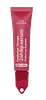
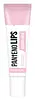
Luxe Organix Panthenol Therapy 24H Lip Serum Tinted Lip Essence Versus Mediheal Pantenolips Sleeping Mask
This barrier-repair lip moisturizer is formulated around Panthenol and Butyrospermum Parkii Butter to strengthen the lip barrier and hydrate lips.
This hydrating lip mask is formulated around Ricinus Communis Seed Oil and Panthenol to hydrate lips and strengthen the lip barrier.


What's inside
What's inside
 Key Ingredients
Benefits
Concerns
Ingredients Side-by-side
Paraffinum Liquidum
Emollient


Polyisobutene
Caprylic/Capric Triglyceride
Masking


Ethylene/Propylene/Styrene Copolymer
Butyrospermum Parkii Butter
Skin Conditioning



Sorbitan Olivate
Emulsifying
Glyceryl Stearate
Emollient
Polyglyceryl-2 Triisostearate
Emulsifying
Panthenol
Skin Conditioning


Tocopherol
Antioxidant




Macadamia Ternifolia Seed Oil
Emollient
Butylene/Ethylene/Styrene Copolymer
Water
Skin ConditioningCI 45410
Cosmetic ColorantTitanium Dioxide
Cosmetic Colorant

Parfum
Masking

CI 16035
Cosmetic ColorantButylene Glycol
Humectant
Polyglyceryl-10 Isostearate
Skin Conditioning
BHT
Antioxidant
Aluminum Hydroxide
EmollientTriethoxycaprylylsilane

Methyl Methacrylate Crosspolymer

Simethicone
Emollient
Glyceryl Caprylate
EmollientParaffinum Liquidum, Polyisobutene, Caprylic/Capric Triglyceride, Ethylene/Propylene/Styrene Copolymer, Butyrospermum Parkii Butter, Sorbitan Olivate, Glyceryl Stearate, Polyglyceryl-2 Triisostearate, Panthenol, Tocopherol, Macadamia Ternifolia Seed Oil, Butylene/Ethylene/Styrene Copolymer, Water, CI 45410, Titanium Dioxide, Parfum, CI 16035, Butylene Glycol, Polyglyceryl-10 Isostearate, BHT, Aluminum Hydroxide, Triethoxycaprylylsilane, Methyl Methacrylate Crosspolymer, Simethicone, Glyceryl Caprylate
Polyisobutene
Ethylhexyl Palmitate
Emollient
Polyglyceryl-2 Triisostearate
Emulsifying
Ozokerite
Emulsion StabilisingRicinus Communis Seed Oil
Masking
Dimer Dilinoleyl Dimer Dilinoleate
EmollientSorbitan Sesquioleate
Emulsifying
Cetearyl Olivate
Sorbitan Olivate
Emulsifying
Water
Skin ConditioningPanthenol
Skin Conditioning
Butyrospermum Parkii Butter
Skin Conditioning
Caprylic/Capric Triglyceride
Masking
Hydrogenated Castor Oil
Emollient
Camellia Sinensis Seed Oil
Humectant
Macadamia Ternifolia Seed Oil
Emollient
Simmondsia Chinensis Seed Oil
Emollient
Tocopherol
Antioxidant
Honey Extract
Humectant
Lycium Chinense Fruit Extract
Antioxidant
Vaccinium Macrocarpon Fruit Extract
AstringentFragaria Chiloensis Fruit Extract
Skin Conditioning
Rubus Idaeus Fruit Extract
AstringentMorus Nigra Fruit Extract
Skin ConditioningRubus Fruticosus Fruit Extract
AstringentRibes Nigrum Fruit Extract
Astringent
Vaccinium Angustifolium Fruit Extract
Skin Protecting
Vaccinium Myrtillus Fruit Extract
Skin ConditioningEuterpe Oleracea Fruit Extract
1,2-Hexanediol
Skin Conditioning
Sodium Hyaluronate
Humectant
Parfum
Masking
Polyisobutene, Ethylhexyl Palmitate, Polyglyceryl-2 Triisostearate, Ozokerite, Ricinus Communis Seed Oil, Dimer Dilinoleyl Dimer Dilinoleate, Sorbitan Sesquioleate, Cetearyl Olivate, Sorbitan Olivate, Water, Panthenol, Butyrospermum Parkii Butter, Caprylic/Capric Triglyceride, Hydrogenated Castor Oil, Camellia Sinensis Seed Oil, Macadamia Ternifolia Seed Oil, Simmondsia Chinensis Seed Oil, Tocopherol, Honey Extract, Lycium Chinense Fruit Extract, Vaccinium Macrocarpon Fruit Extract, Fragaria Chiloensis Fruit Extract, Rubus Idaeus Fruit Extract, Morus Nigra Fruit Extract, Rubus Fruticosus Fruit Extract, Ribes Nigrum Fruit Extract, Vaccinium Angustifolium Fruit Extract, Vaccinium Myrtillus Fruit Extract, Euterpe Oleracea Fruit Extract, 1,2-Hexanediol, Sodium Hyaluronate, Parfum
Reviews
Ingredients Explained
These ingredients are found in both products.
Ingredients higher up in an ingredient list are typically present in a larger amount.
This ingredient is also known as shea butter. It is a plant-derived extract from the nuts of the Africa shea tree and one of the most well-studied emollients.
Because it has a high concentration of fatty acids (primarily oleic, stearic, and linoleic) it is able to form a protective barrier on the skin's surface. This helps seal in moisture and prevents transepidermal water loss (TEWL).
In vitro research found an increase in skin hydration by 58% and a decrease in TEWL by 37.8% after 24 hours of applying this ingredient (pretty impressive for a single ingredient!).
Besides hydration, shea butter also contains triterpenes that have anti-inflammatory potential. In particule, lupeol cinnamate has shown the highest anti-inflammatory activity in vivo.
Shea butter also contains vitamins A and E which may contribute to antioxidant activity.
While Shea Butter has an SPF rating of about 3-4, it is not a sunscreen replacement.
This ingredient may not be fungal acne safe because its fatty acids fall within the C11-C24 range that the Malassezia yeast can metabolize.
This ingredient shows up on a lot of "pore-clogging" lists but there's no real evidence behind that. It doesn't even have a comedogenic rating from an actual study; the numbers you'll find online come from blogs citing other blogs.
Ratings for other ingredients mostly come from a 1980s rabbit ear test. This test doesn't translate well to human skin or to real products because the ingredient sits at a much lower percentage.
Some people still find it breaks them out. So if that's you, definitely trust your skin. Just know this one's based on experience and not evidence.
Learn more about Butyrospermum Parkii ButterCaprylic/Capric Triglyceride (aka MCT Oil) is a lightweight emollient, solvent, and texture enhancer. It is considered a skin-softener by helping to prevent moisture loss.
Though it behaves like an oil, it is not technically one due to its chemical composition. One perk of this ingredient is that it is very stable, resistant to oxidation, and unlikely to go rancid.
In practice, that translates to a long shelf life and a consistently elegant skin feel.
While there is an assumption Caprylic Triglyceride can clog pores due to it being derived from coconut oil, there is no research supporting this. Just patch test if you have concerns.
Fractionated coconut oil and MCT Oil are both listed as Caprylic/Capric Triglyceride according to INCI. This is because INCI names are based on the ingredient’s final chemical composition and not its marketing name or source.
This ingredient is treated as the gold standard fungal acne safe oil. Even though it is coconut derived, the problematic lauric acid is stripped out.
This leaves just caprylic (C8) and capric (C10) acid. These chain lengths actually trend antifungal; a 2020 study found caprylic acid was enough to disrupt Malassezia furfur cell membrane, with a caprylic acid derivative damaging membrane structures at concentrations as low as 0.2%.
Learn more about Caprylic/Capric TriglycerideThis ingredient is also known as Macadamia Seed Oil. It's an emollient with a fatty acid profile that closely mirrors the skin's own lipid makeup.
The palmitoleic acid content is especially notable as it's somewhat rare in plant oils. Palmitoleic acid is something your skin already makes naturally. It helps keep cell membranes structured and plays a role in fighting off harmful microbes.
This palmitoleic content is also part of why macademia seed oil absorbs quickly and doesn't leave much of a greasy residue.
It also contains oleic acid, linoleic acid, and phytosterols that can help reduce redness.
In vitro research has shown the oil to have meaningful antioxidant activity, protect fats in the skin from oxidative damage, and slow down the enzyme that breaks down hyaluronic acid.
A 2024 clinical study found it effective at improving skin hydratino and reducing wrinkle appearance when formulated into nanoemulsions.
Because it carries oleic acid (C18) and palmitic acid (C16), this ingredient may not be fungal acne safe. This is because the Malassezia yeast metabolizes in the C11-24 chain length range.
You'll also see this ingredient listed as: Macadamia Integrifolia Seed Oil .
These two oils are identical in composition and M. ternifolia is an older INCI naming convention for the edible macadamia nut while M. integrifolia is the species actually cultivated for oil production. Both names refer to the same oil.
Learn more about Macadamia Ternifolia Seed OilPanthenol is a common ingredient that helps hydrate and soothe the skin. It is found naturally in our skin and hair.
There are two forms of panthenol: D and L.
D-panthenol is also known as dexpanthenol. Most cosmetics use dexpanthenol or a mixture of D and L-panthenol.
Panthenol is famous due to its ability to go deeper into the skin's layers. Using this ingredient has numerous pros (and no cons):
Like hyaluronic acid, panthenol is a humectant. Humectants are able to bind and hold large amounts of water to keep skin hydrated.
This ingredient works well for wound healing. It works by increasing tissue in the wound and helps close open wounds.
Once oxidized, panthenol converts to pantothenic acid. Panthothenic acid is found in all living cells.
This ingredient is also referred to as pro-vitamin B5.
Learn more about PanthenolParfum is a catch-all term for an ingredient or more that is used to give a scent to products.
Also called "fragrance", this ingredient can be a blend of hundreds of chemicals or plant oils. This means every product with "fragrance" or "parfum" in the ingredients list is a different mixture.
For instance, Habanolide is a proprietary trade name for a specific aroma chemical. When used as a fragrance ingredient in cosmetics, most aroma chemicals fall under the broad labeling category of “FRAGRANCE” or “PARFUM” according to EU and US regulations.
The term 'parfum' or 'fragrance' is not regulated in many countries. In many cases, it is up to the brand to define this term.
For instance, many brands choose to label themselves as "fragrance-free" because they are not using synthetic fragrances. However, their products may still contain ingredients such as essential oils that are considered a fragrance by INCI standards.
One example is Calendula flower extract. Calendula is an essential oil that still imparts a scent or 'fragrance'.
Depending on the blend, the ingredients in the mixture can cause allergies and sensitivities on the skin. Some ingredients that are known EU allergens include linalool and citronellol.
Parfum can also be used to mask or cover an unpleasant scent.
The bottom line is: not all fragrances/parfum/ingredients are created equally. If you are worried about fragrances, we recommend taking a closer look at an ingredient. And of course, we always recommend speaking with a professional.
Learn more about ParfumPolyglyceryl-2 Triisostearate is a plant-derived emulsifier and pigment-dispersing agent with a non-sticky skin feel.
It helps products glide on smoothly and prevents oil and water from separating in a formula, making it suitable for sunscreen and makeup formulations.
The EU inventory of cosmetics has no use restrictions on this ingredient and it is considered well-tolerated.
This ingredient may not be fungal acne safe because it is derived from isostearic acid.
Learn more about Polyglyceryl-2 TriisostearatePolyisobutene is a synthetic polymer made from isobutene.
It is a film-forming agent and helps bind ingredients together.
Polyisobutene is not absorbed by the skin.
Learn more about PolyisobuteneSorbitan Olivate is created from the fatty acids in olive oil and sorbitol.
This ingredient is an oil in water emulsifier. It helps stabilize a product by preventing oils and waters from separating. Sorbitan Olivate also helps hydrate the skin.
This ingredient is also known as part of Olivem 1000, with Cetearyl Olivate being the other part.
According to a manufacturer, this ingredient helps preserve the natural microbiome of skin. Having a healthy microbiome helps keep our skin healthy and protects against harmful bacteria.
Please note, having a healthy microbiome is different from fungal acne; a healthy microbiome includes small amounts of yeast that normally live on your skin without causing problems.
Fungal acne happens when one type of yeast (Malassezia) grows out of control. This is usually because it's feeding on certain oils or fatty acids. Due to the olive oil base, this ingredient may not be fungal acne safe.
Learn more about Sorbitan OlivateTocopherol is a fat-soluble antioxidant known as Vitamin E.
You'll find this ingredient in the vast majority of skincare (for good reason). It works to neutralize free radicals, or unstable molecules generated by UV exposure, pollution, and other environmental stressors, before they can cause oxidative damage to your skin cells.
Topically applied tocopherol has been shown to protect against UV damage by ramping up the skin's own natural defense enzymes.
It also acts as a skin conditioning agent; some studies show that regular topical use can improve the skin's water-binding capacity over 2-4 weeks.
This ingredient is especially loved for being a team player. When combined with Vitamin C, the photoprotective effect of both ingredients roughly doubles and the combo also helps reduce UV-induced DNA damage.
This ingredient has some brightening potential but it's more of a prevention ingredient than spot-fader. Cell studies show it can slow down melanin production but it's worth noting that it's not the most powerful brightener out there.
In formulations, it also serves as a stabilizer that helps protect other oxidation-prone ingredients from degrading.
Concentrations usually range from 0.1-1% in most leave-on products.
Learn more about TocopherolWater. It's the most common cosmetic ingredient of all. You'll usually see it at the top of ingredient lists, meaning that it makes up the largest part of the product.
So why is it so popular? Water most often acts as a solvent - this means that it helps dissolve other ingredients into the formulation.
You'll also recognize water as that liquid we all need to stay alive. If you see this, drink a glass of water. Remember to stay hydrated!
Learn more about Water

