

What's inside
What's inside
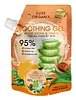 Key Ingredients
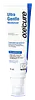
Benefits
Concerns
Ingredients Side-by-side
Aloe Barbadensis Leaf Juice
Skin Conditioning


Carbomer
Emulsion StabilisingSnail Secretion Filtrate
Skin Conditioning


PEG-60 Hydrogenated Castor Oil
Emulsifying

Triethanolamine
BufferingMethylpropanediol
SolventCollagen
Moisturising
Arbutin
Antioxidant



Phenoxyethanol
Preservative
Dipropylene Glycol
HumectantSodium Hyaluronate
Humectant
Glycerin
Humectant
Disodium EDTA
Allantoin
Skin Conditioning
Chlorphenesin
Antimicrobial
Parfum
Masking



Centella Asiatica Extract
Cleansing
Portulaca Oleracea Extract
Skin Conditioning
Aloe Barbadensis Leaf Juice, Carbomer, Snail Secretion Filtrate, PEG-60 Hydrogenated Castor Oil, Triethanolamine, Methylpropanediol, Collagen, Arbutin, Phenoxyethanol, Dipropylene Glycol, Sodium Hyaluronate, Glycerin, Disodium EDTA, Allantoin, Chlorphenesin, Parfum, Centella Asiatica Extract, Portulaca Oleracea Extract
Water
Skin ConditioningGlycerin
Humectant
Isononyl Isononanoate
EmollientCetearyl Alcohol
Emollient



C15-19 Alkane
SolventAmmonium Acryloyldimethyltaurate/Vp Copolymer
Hydrogenated Polydecene
EmollientPropanediol
Solvent
Glyceryl Stearate
Emollient
Phenoxyethanol
Preservative
PEG-100 Stearate
Squalane
Emollient
Ceteth-10 Phosphate
CleansingDicetyl Phosphate
EmulsifyingChlorphenesin
Antimicrobial
Phytosteryl/Octyldodecyl Lauroyl Glutamate
Skin ConditioningXanthan Gum
EmulsifyingDisodium EDTA
Panthenol
Skin Conditioning
Alpha-Glucan Oligosaccharide
Cleansing
Potassium Hydroxide
BufferingMaltodextrin
Absorbent
Polymnia Sonchifolia Root Juice
Skin ConditioningCeteareth-25
CleansingPropylene Glycol
Humectant
Aloe Barbadensis Leaf Extract
Emollient
Cetyl Alcohol
Emollient
BHT
Antioxidant
Lactobacillus
Skin ConditioningPantolactone
Humectant
Behenic Acid
Cleansing
Ceramide NP
Skin Conditioning
Cholesterol
Emollient
Ceramide Ns
Skin Conditioning
Ethylhexylglycerin
Skin ConditioningTerminalia Ferdinandiana Fruit Extract
Antioxidant
Ceramide AP
Skin Conditioning
Ceramide EOP
Skin Conditioning
Ceramide Eos
Skin Conditioning
Caprooyl Phytosphingosine
Skin Conditioning
Caprooyl Sphingosine
Skin ConditioningAscorbyl Palmitate
Antioxidant
Citric Acid
Buffering
Glyceryl Oleate
Emollient
Lecithin
Emollient
Tocopherol
Antioxidant
Anthemis Nobilis Flower Extract
Masking
Calendula Officinalis Flower Extract
Masking
Centaurea Cyanus Flower Extract
Astringent
Chamomilla Recutita Flower Extract
Masking
Hypericum Perforatum Flower/Leaf/Stem Extract
Skin ConditioningTilia Cordata Flower Extract
Skin Conditioning
Water, Glycerin, Isononyl Isononanoate, Cetearyl Alcohol, C15-19 Alkane, Ammonium Acryloyldimethyltaurate/Vp Copolymer, Hydrogenated Polydecene, Propanediol, Glyceryl Stearate, Phenoxyethanol, PEG-100 Stearate, Squalane, Ceteth-10 Phosphate, Dicetyl Phosphate, Chlorphenesin, Phytosteryl/Octyldodecyl Lauroyl Glutamate, Xanthan Gum, Disodium EDTA, Panthenol, Alpha-Glucan Oligosaccharide, Potassium Hydroxide, Maltodextrin, Polymnia Sonchifolia Root Juice, Ceteareth-25, Propylene Glycol, Aloe Barbadensis Leaf Extract, Cetyl Alcohol, BHT, Lactobacillus, Pantolactone, Behenic Acid, Ceramide NP, Cholesterol, Ceramide Ns, Ethylhexylglycerin, Terminalia Ferdinandiana Fruit Extract, Ceramide AP, Ceramide EOP, Ceramide Eos, Caprooyl Phytosphingosine, Caprooyl Sphingosine, Ascorbyl Palmitate, Citric Acid, Glyceryl Oleate, Lecithin, Tocopherol, Anthemis Nobilis Flower Extract, Calendula Officinalis Flower Extract, Centaurea Cyanus Flower Extract, Chamomilla Recutita Flower Extract, Hypericum Perforatum Flower/Leaf/Stem Extract, Tilia Cordata Flower Extract
Reviews
Ingredients Explained
These ingredients are found in both products.
Ingredients higher up in an ingredient list are typically present in a larger amount.
Chlorphenesin is a synthetic preservative. It helps protect a product against bacteria in order to extend shelf life. In most cases, Chlorphenesin is paired with other preservatives such as phenoxyethanol and caprylyl glycol.
Chlorphenesin is a biocide. This means it is able to help fight the microorganisms on our skin. It is also able to fight odor-releasing bacteria.
Chlorphenesin is soluble in both water and glycerin.
Studies show Chlorphenesin is easily absorbed by our skin. You should speak with a skincare professional if you have concerns about using Chlorphenesin.
Learn more about ChlorphenesinDisodium EDTA is a chelating agent. It grabs onto and deactivates metal ions that sneak into your products from water, packaging, or air.
This ingredient mainly works behind the scenes and helps with:
On top of that, this ingredient can counteract the effects of hard water by binding to the minerals in it.
One thing worth knowing is that Disodium EDTA has been shown to be a mild penetration enhancer. It can help other ingredients absorb into skin more effectively which can be a double-edged sword (great for actives, but can also make the active too strong if you have sensitive skin).
Clinical patch testing showed no significant skin irritation at typical use concentrations and minimal dermal absorption.
You'll most likely see this ingredient near the end of an ingredient list. It's typically found in concentrations less than 1%.
Learn more about Disodium EDTAGlycerin (or glycerol) is a compound naturally found in your skin. It's a powerhouse humectant that pulls water into the stratum corneum.
Topically, glycerin does several things at once:
Your skin makes glycerin on its own (mostly from sebaceous oil breakdown) and shuttles it to your outermost layer of skin, or your epidermis, via aquaporin-3.
Aquaporin-3 is a transporter that is essential for normal skin hydration, elasticity, and repair. Interestingly, mice lacking in AQP3 have dry and less elastic skin that can be fully corrected with glycerin.
This ingredient is non-irritating, plays well with almost every ingredient, and works across all skin types. Typical use is anywhere between 3-10% but can go up to 79% in some leave-on products.
Just know very high concentrations (>40%) can feel tacky in low humidity.
Glycerin is the name for this ingredient in American English. British English uses Glycerol/Glycerine.
Learn more about GlycerinPhenoxyethanol is a preservative that has germicide, antimicrobial, and aromatic properties. Studies show that phenoxyethanol can prevent microbial growth. By itself, it has a scent that is similar to that of a rose.
It's often used in formulations along with Caprylyl Glycol to preserve the shelf life of products.

