

What's inside
What's inside
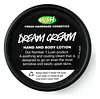 Key Ingredients
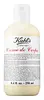
Benefits
Concerns
Ingredients Side-by-side
Avena Sativa Kernel Extract
Abrasive





Olea Europaea Fruit Oil
Masking





Rosa Damascena Flower Water
Masking
Glycerin
Humectant
Theobroma Cacao Seed Butter
Emollient
Stearic Acid
Cleansing
Triethanolamine
BufferingChamomilla Recutita Oil
Masking
Melaleuca Alternifolia Leaf Oil
Antioxidant



Lavandula Angustifolia Oil
Masking
Styrax Benzoin Resin Extract
Masking
Cetearyl Alcohol
Emollient

Benzyl Alcohol
Perfuming


Benzyl Benzoate
Antimicrobial
Citronellol
Perfuming
Geraniol
Perfuming
Limonene
Perfuming
Linalool
Perfuming
Parfum
Masking
Avena Sativa Kernel Extract, Olea Europaea Fruit Oil, Rosa Damascena Flower Water, Glycerin, Theobroma Cacao Seed Butter, Stearic Acid, Triethanolamine, Chamomilla Recutita Oil, Melaleuca Alternifolia Leaf Oil, Lavandula Angustifolia Oil, Styrax Benzoin Resin Extract, Cetearyl Alcohol, Benzyl Alcohol, Benzyl Benzoate, Citronellol, Geraniol, Limonene, Linalool, Parfum
Water
Skin ConditioningHydrogenated Polyisobutene
EmollientGlycerin
Humectant
Coco-Caprylate/Caprate
Emollient
Propylene Glycol
Humectant
PEG-100 Stearate
Surfactant
Glyceryl Stearate
Emollient
Squalane
Emollient
Stearyl Alcohol
Emollient
Helianthus Annuus Seed Oil
Emollient
Butyrospermum Parkii Butter
Skin Conditioning
Myristyl Alcohol
Emollient
PPG-5 Pentaerythrityl Ether
EmollientPEG-5 Pentaerythrityl Ether
EmollientOlea Europaea Fruit Oil
Masking
Sesamum Indicum Seed Oil
Emollient
Dimethicone
Emollient
Phenoxyethanol
Preservative
Isopropyl Palmitate
Emollient
Citric Acid
Buffering

Microcrystalline Wax
Emulsion StabilisingPentaerythrityl Tetra-Di-T-Butyl Hydroxyhydrocinnamate
Antioxidant
Chlorphenesin
Antimicrobial
Potassium Sorbate
Preservative
Glycine Soja Sterols
Emollient
Magnesium Aluminum Silicate
Absorbent
Xanthan Gum
EmulsifyingSodium PCA
Humectant
Allantoin
Skin Conditioning
Prunus Amygdalus Dulcis Oil
Skin Conditioning
Prunus Armeniaca Kernel Oil
Masking
Theobroma Cacao Seed Butter
Emollient
Persea Gratissima Oil
Skin Conditioning
Tocopherol
Antioxidant

Glycine Soja Oil
Emollient
Lecithin
Emollient
Aloe Barbadensis Leaf Juice Powder
Skin Conditioning
CI 40800
Cosmetic ColorantWater, Hydrogenated Polyisobutene, Glycerin, Coco-Caprylate/Caprate, Propylene Glycol, PEG-100 Stearate, Glyceryl Stearate, Squalane, Stearyl Alcohol, Helianthus Annuus Seed Oil, Butyrospermum Parkii Butter, Myristyl Alcohol, PPG-5 Pentaerythrityl Ether, PEG-5 Pentaerythrityl Ether, Olea Europaea Fruit Oil, Sesamum Indicum Seed Oil, Dimethicone, Phenoxyethanol, Isopropyl Palmitate, Citric Acid, Microcrystalline Wax, Pentaerythrityl Tetra-Di-T-Butyl Hydroxyhydrocinnamate, Chlorphenesin, Potassium Sorbate, Glycine Soja Sterols, Magnesium Aluminum Silicate, Xanthan Gum, Sodium PCA, Allantoin, Prunus Amygdalus Dulcis Oil, Prunus Armeniaca Kernel Oil, Theobroma Cacao Seed Butter, Persea Gratissima Oil, Tocopherol, Glycine Soja Oil, Lecithin, Aloe Barbadensis Leaf Juice Powder, CI 40800
Reviews
Ingredients Explained
These ingredients are found in both products.
Ingredients higher up in an ingredient list are typically present in a larger amount.
Glycerin (or glycerol) is a compound naturally found in your skin. It's a powerhouse humectant that pulls water into the stratum corneum.
Topically, glycerin does several things at once:
Your skin makes glycerin on its own (mostly from sebaceous oil breakdown) and shuttles it to your outermost layer of skin, or your epidermis, via aquaporin-3.
Aquaporin-3 is a transporter that is essential for normal skin hydration, elasticity, and repair. Interestingly, mice lacking in AQP3 have dry and less elastic skin that can be fully corrected with glycerin.
This ingredient is non-irritating, plays well with almost every ingredient, and works across all skin types. Typical use is anywhere between 3-10% but can go up to 79% in some leave-on products.
Just know very high concentrations (>40%) can feel tacky in low humidity.
Glycerin is the name for this ingredient in American English. British English uses Glycerol/Glycerine.
Learn more about GlycerinThis ingredient is also known as olive oil. It has been used in skincare for centuries and science largely backs up its reputation as a nourishing emollient.
The main components of olive oil are oleic acid (55-83%), linoleic acid (3.5-20%), and palmitic acid (7-20%). Oleic acid promotes skin regeneration and helps regulate inflammatory responses.
Squalene is also naturally present in olive oil and exhibits moisturizing and antioxidant properties.
The polyphenols in olive oil also show anti-aging promise; one clinical study found a measurable improvement in skin appearance after 30 days of topical serum use.
Just be aware that applying olive oil directly to skin can weaken the barrier and cause redness. One study with volunteers found even people without sensitive skin experienced a significant reduction in stratum corneum integrity and induced mild erythema.
It's best to use this ingredient as part of a carefully crafted formula (instead of putting it on skin directly from the bottle).
Because it has a 0-2 on the comedogenic scale, it is low risk for acne-prone skin. Just remember the overall formulation of a product matters more than a few ingredients with comedogenic ratings.
This ingredient may not be fungal acne safe because of the oleic and palmitic acid content. These fall within the C11-24 fatty acid range that the Malassezia yeast can metabolize to grow.
Overall, olive oil is a well-studied and nourishing skincare ingredient.
Learn more about Olea Europaea Fruit OilThis ingredient is also known as Cocoa butter; it's the fat pressed out of roasted cocoa beans.
Cocoa butter is solid at room temperature and melts right around body temperature, which is why it feels waxy in the jar and slippery on skin.
It has a very saturated profile (stearic acid ~34 to 36%, oleic acid ~30 to 40%, and palmitic acid ~24 to 29%) that makes it a strong occlusive: it sits on top and slows water escaping from skin.
Concentration data shows that it can show up anywhere from a few percent in lotions up to 100% in balms, and the FDA lists cocoa butter as an OTC skin protectant active at 50-100%.
The CIR has reviewed it and concluded it to be safe as used in cosmetics.
This is one of the ingredients with a comedogenic score of 4/5 from the rabbit ear test. Just know that a later human study did find that finished products containing high-comedogenic ingredients like cocoa butter did not increase microcomedone formation.
The fair call here is that this ingredient is most likely fine on body or low-percentage formulas, but can potentially be riskier as a heavy leave-on facial product if you break out easily.
Cocoa butter may not be fungal acne safe; it is a triglyceride of C16-18 fatty acids that the Malassezia yeast can metabolize.
Allergies to cocoa butter are rare and uncommon, but a few cases have been documented (mostly in cases where the person ate chocolate). So if you have a tree nut allergy, be sure to patch test or avoid.
Learn more about Theobroma Cacao Seed Butter

