
What's inside
What's inside
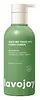 Key Ingredients
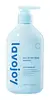
Benefits
Concerns
Ingredients Side-by-side
Water
Skin ConditioningCetearyl Alcohol
Emollient






Stearamidopropyl Dimethylamine Lactate
Behentrimonium Chloride
Preservative
Betaine
Humectant


Trimethylolpropane Tricaprylate/Tricaprate
EmollientPhenoxyethanol
Preservative
Parfum
Masking


Isononyl Isononanoate
EmollientIsopropyl Alcohol
Solvent

Sodium Benzoate
Masking
Distearyldimonium Chloride
Guar Hydroxypropyltrimonium Chloride
Skin ConditioningMenthol
Masking
Citric Acid
Buffering

Disodium EDTA
ChelatingButylene Glycol
Humectant
Panthenol
Skin Conditioning

Argania Spinosa Kernel Oil
Emollient


Camellia Japonica Seed Oil
Emollient
Sclerocarya Birrea Seed Oil
Humectant
Zingiber Officinale Root Extract
Masking
Anemarrhena Asphodeloides Root Extract
Skin Conditioning
Panax Ginseng Root Extract
Emollient
Propylene Glycol
Humectant
Diaminopyrimidine Oxide
Skin ConditioningPropanediol
Solvent
1,2-Hexanediol
Skin Conditioning
Angelica Polymorpha Sinensis Root Extract
Skin ConditioningBiota Orientalis Leaf Extract
HumectantPolygonum Multiflorum Root Extract
Skin ConditioningCaprylyl Glycol
Emollient
Caffeine
Skin Conditioning
Cyclodextrin
AbsorbentHumulus Lupulus Extract
AntimicrobialHydroxyacetophenone
Antioxidant
Cysteine
Antioxidant
Chlorphenesin
Antimicrobial
Glycine
Buffering
Cystine
MaskingTryptophan
MaskingSerine
Masking
Proline
Skin Conditioning
Glutamic Acid
Humectant
Tyrosine
MaskingPEG-40 Hydrogenated Castor Oil
Emulsifying
Ethylhexylglycerin
Skin ConditioningWater, Cetearyl Alcohol, Stearamidopropyl Dimethylamine Lactate, Behentrimonium Chloride, Betaine, Trimethylolpropane Tricaprylate/Tricaprate, Phenoxyethanol, Parfum, Isononyl Isononanoate, Isopropyl Alcohol, Sodium Benzoate, Distearyldimonium Chloride, Guar Hydroxypropyltrimonium Chloride, Menthol, Citric Acid, Disodium EDTA, Butylene Glycol, Panthenol, Argania Spinosa Kernel Oil, Camellia Japonica Seed Oil, Sclerocarya Birrea Seed Oil, Zingiber Officinale Root Extract, Anemarrhena Asphodeloides Root Extract, Panax Ginseng Root Extract, Propylene Glycol, Diaminopyrimidine Oxide, Propanediol, 1,2-Hexanediol, Angelica Polymorpha Sinensis Root Extract, Biota Orientalis Leaf Extract, Polygonum Multiflorum Root Extract, Caprylyl Glycol, Caffeine, Cyclodextrin, Humulus Lupulus Extract, Hydroxyacetophenone, Cysteine, Chlorphenesin, Glycine, Cystine, Tryptophan, Serine, Proline, Glutamic Acid, Tyrosine, PEG-40 Hydrogenated Castor Oil, Ethylhexylglycerin
Water
Skin ConditioningSodium Laureth Sulfate
Cleansing
Sodium Chloride
MaskingCocamidopropyl Hydroxysultaine
Cleansing
Cocamide Methyl Mea
Foam Boosting
Phenoxyethanol
Preservative
Cocamidopropyl Betaine
Cleansing
Sodium Benzoate
Masking
Trimethylolpropane Tricaprylate/Tricaprate
EmollientGlyceryl Oleate
Emollient
Coco-Glucoside
Cleansing
Aroma
Sodium Lauroyl Sarcosinate
CleansingHydroxypropyl Guar Hydroxypropyltrimonium Chloride
Polyquaternium-7
Citric Acid
Buffering
Sodium PCA
Humectant
Glycerin
Humectant
Myristamidopropyl Pg-Dimonium Chloride Phosphate
Skin ConditioningDisodium EDTA
ChelatingSodium Cocamidopropyl Pg-Dimonium Chloride Phosphate
Cleansing
Glyceryl Behenate
Emollient
Phytosteryl Oleate
Skin ConditioningSodium Polyaspartate
HumectantPiroctone Olamine
Preservative
Propylene Glycol
Humectant
PPG-26-Buteth-26
Skin ConditioningButylene Glycol
Humectant
1,2-Hexanediol
Skin Conditioning
Pentylene Glycol
Skin Conditioning
Tocopherol
Antioxidant
Methyl Alcohol
Solvent
Bisabolol
Antioxidant
Zingiber Officinale Root Extract
Masking
Squalane
Emollient
Hydrogenated Palm Glycerides Citrate
Emollient
Salicylic Acid
Masking



Artemisia Annua Extract
Masking
Panax Ginseng Root Extract
Emollient
Crataegus Pinnatifida Fruit Extract
Skin ConditioningHydroxyphenyl Propamidobenzoic Acid
Skin ConditioningAscorbyl Palmitate
Antioxidant
Water, Sodium Laureth Sulfate, Sodium Chloride, Cocamidopropyl Hydroxysultaine, Cocamide Methyl Mea, Phenoxyethanol, Cocamidopropyl Betaine, Sodium Benzoate, Trimethylolpropane Tricaprylate/Tricaprate, Glyceryl Oleate, Coco-Glucoside, Aroma, Sodium Lauroyl Sarcosinate, Hydroxypropyl Guar Hydroxypropyltrimonium Chloride, Polyquaternium-7, Citric Acid, Sodium PCA, Glycerin, Myristamidopropyl Pg-Dimonium Chloride Phosphate, Disodium EDTA, Sodium Cocamidopropyl Pg-Dimonium Chloride Phosphate, Glyceryl Behenate, Phytosteryl Oleate, Sodium Polyaspartate, Piroctone Olamine, Propylene Glycol, PPG-26-Buteth-26, Butylene Glycol, 1,2-Hexanediol, Pentylene Glycol, Tocopherol, Methyl Alcohol, Bisabolol, Zingiber Officinale Root Extract, Squalane, Hydrogenated Palm Glycerides Citrate, Salicylic Acid, Artemisia Annua Extract, Panax Ginseng Root Extract, Crataegus Pinnatifida Fruit Extract, Hydroxyphenyl Propamidobenzoic Acid, Ascorbyl Palmitate
Ingredients Explained
These ingredients are found in both products.
Ingredients higher up in an ingredient list are typically present in a larger amount.
1,2-Hexanediol is a synthetic liquid and another multi-functional powerhouse.
It is a:
- Humectant, drawing moisture into the skin
- Emollient, helping to soften skin
- Solvent, dispersing and stabilizing formulas
- Preservative booster, enhancing the antimicrobial activity of other preservatives
Butylene Glycol (or BG) is used within cosmetic products for a few different reasons:
Overall, Butylene Glycol is a safe and well-rounded ingredient that works well with other ingredients.
Though this ingredient works well with most skin types, some people with sensitive skin may experience a reaction such as allergic rashes, closed comedones, or itchiness.
Learn more about Butylene GlycolCitric Acid is an alpha hydroxy acid (AHA) naturally found in citrus fruits like oranges, lemons, and limes.
Like other AHAs, citric acid can exfoliate skin by breaking down the bonds that hold dead skin cells together. This helps reveal smoother and brighter skin underneath.
However, this exfoliating effect only happens at high concentrations (20%) which can be hard to find in cosmetic products.
Due to this, citric acid is usually included in small amounts as a pH adjuster. This helps keep products slightly more acidic and compatible with skin's natural pH.
In skincare formulas, citric acid can:
While it can provide some skin benefits, research shows lactic acid and glycolic acid are generally more effective and less irritating exfoliants.
Most citric acid used in skincare today is made by fermenting sugars (usually from molasses). This synthetic version is identical to the natural citrus form but easier to stabilize and use in formulations.
Rosacea skin has a lower threshold for acids generally, with 62.5% of rosacea subjects in one study reacting to lactic acid in a sting test. This is why we mark citric acid as a potential rosacea trigger.
However, this ingredient shows up as a pH adjuster or chelator at roughly 0.1-1% in many products. These low levels are unlikely to be an issue for rosacea skin and becomes a potential trigger at exfoliating concentrations (20%). Because everybody's skin is unique, we recommend a patch test if you are unsure.
Learn more about Citric AcidDisodium EDTA is a chelating agent. It grabs onto and deactivates metal ions that sneak into your products from water, packaging, or air.
This ingredient mainly works behind the scenes and helps with:
On top of that, this ingredient can counteract the effects of hard water by binding to the minerals in it.
One thing worth knowing is that Disodium EDTA has been shown to be a mild penetration enhancer. It can help other ingredients absorb into skin more effectively which can be a double-edged sword (great for actives, but can also make the active too strong if you have sensitive skin).
Clinical patch testing showed no significant skin irritation at typical use concentrations and minimal dermal absorption.
You'll most likely see this ingredient near the end of an ingredient list. It's typically found in concentrations less than 1%.
Learn more about Disodium EDTAGinseng root is a well-loved ingredient in Asian skincare for good reason. It hydrates the skin, soothes irritation, and helps even out skin tone.
In traditional East Asian medicine, ginseng has been used for centuries both as food and as a healing remedy, and modern research continues to confirm its skin benefits.
One of the standout features of ginseng is its ability to improve blood circulation and oxygen delivery to the skin, bringing a fresh supply of nutrients to support overall skin health. It also has antioxidant and anti-inflammatory properties. This helps to protect your skin against damage from UV exposure, pollution, and daily stress.
Additionally, studies suggest that ginseng may help reduce hyperpigmentation by inhibiting tyrosinase, the enzyme involved in melanin production.
There are different types of ginseng used in skincare, and while they all share core benefits, their potency can vary.
Most products use fresh or white ginseng because it’s more affordable. However, red ginseng, produced by steaming the root, contains higher levels of ginsenosides, which are compounds with proven anti-aging effects. These ginsenosides help reduce the appearance of wrinkles and improve skin elasticity.
Note: All forms of ginseng are listed simply as “Panax ginseng” in ingredient lists. We recommend reaching out to the brand if you have questions about which type of ginseng is used in their ingredients.
For general antioxidant benefits, any ginseng extract will do, but for wrinkle care or firmer skin, red or fermented ginseng is often more effective.
In short, ginseng is a powerhouse ingredient that supports hydration, radiance, and resilience.
Learn more about Panax Ginseng Root ExtractPhenoxyethanol is one of the most widely used preservatives in skincare (and for good reason!).
It has a large spectrum of antimicrobial activity and especially effective bacteria, yeast, and mold while only having a weak effect on your skin's natural microbiome.
On a cellular level, it disrupts the cell membranes of microbes by poking holes that make the cell leak. This shuts down the chemical reactions the microbe needs to make energy so it can no longer survive.
Another perk of this ingredient is that it stays functional across a wide pH range (3-10).
You'll often see it paired with boosters like Ethylhexylglycerin; one study showed that a 1:9 ratio of Ethylhexylglycerin to Phenoxyethanol damages bacterial membranes as effectively as doubling the Phenoxyethanol concentration on its own.
Typical use concentrations range from 0.3-1% depending on the formula, and this ingredient is capped at 1% int the EU.
Safety-wise, the fear mongering does not hold up to the evidence. The EU's Scientific Committee on Consumer Safety and FDA consider it safe as a preservative at up to 1%, including for children of all ages.
Adverse systemic effects only showed up in animal studies at exposures roughly 200x higher than what people get from cosmetics. And despite its very widespread use, this ingredient is a rare sensitizer and allergic reactions are uncommon.
Learn more about PhenoxyethanolPropylene Glycol is a synthetic, colorless, odorless liquid that has been a staple in cosmetics for decades. It is a skin conditioning agent, humectant, and solvent.
As a humectant, it draw water to the skin to reduce flaking and restore suppleness. It's also a solvent that helps dissolve other actives and keeps formulas stable across temperature changes.
The CIR Expert Panel has confirmed this ingredient to be nontoxic and clinical studies show no sensitization at cosmetic use concentrations.
True allergic reactions are quite rare: a 15-year retrospective study of 6,751 patients found only 0.31% had a positive reaction (and less than half were considered clinically relevant).
It seemed that when sensitization does occur, it's most commonly linked to topical medication (like corticosteroids) and not cosmetics. Allergic contact dermatitis also appears largely limited to individuals with underlying skin conditions.
Overall, propylene glycol is a well-studied ingredient that most people can tolerate without issue.
Learn more about Propylene GlycolSodium Benzoate is a preservative. It's used in both cosmetic and food products to inhibit the growth of mold and bacteria. It is typically produced synthetically.
Both the US FDA and EU Health Committee have approved the use of sodium benzoate. In the US, levels of 0.1% (of the total product) are allowed.
Sodium benzoate works as a preservative by inhibiting the growth of bacteria inside of cells. It prevents the cell from fermenting a type of sugar using an enzyme called phosphofructokinase.
It is the salt of benzoic acid. Foods containing sodium benzoate include soda, salad dressings, condiments, fruit juices, wines, and snack foods.
Studies for using ascorbic acid and sodium benzoate in cosmetics are lacking, especially in skincare routines with multiple steps.
We always recommend speaking with a professional, such as a dermatologist, if you have any concerns.
Learn more about Sodium BenzoateWe don't have a description for Trimethylolpropane Tricaprylate/Tricaprate yet.
Water. It's the most common cosmetic ingredient of all. You'll usually see it at the top of ingredient lists, meaning that it makes up the largest part of the product.
So why is it so popular? Water most often acts as a solvent - this means that it helps dissolve other ingredients into the formulation.
You'll also recognize water as that liquid we all need to stay alive. If you see this, drink a glass of water. Remember to stay hydrated!
Learn more about WaterZingiber Officinale is more commonly known as ginger.
Ginger root has antioxidant, anti-inflammation, and antimicrobial properties.
The antioxidant properties help protect your body from free-radicals. Free-radicals are molecules that may damage your skin cells. As a result, ginger may help slow down signs of aging such as hyperpigmentation and wrinkles.
Studies show ginger inhibits the enzyme that breaks down collagen. It also helps with:
This ingredient has no negative side-effects and is safe to use unless one has a specific allergy to it.
Ginger originates from Southeast Asia but has spread throughout the world. It is now a common spice used in many cultures.
Learn more about Zingiber Officinale Root Extract

