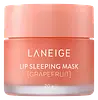
This hydrating lip mask is formulated around Butyrospermum Parkii Butter and Sodium Hyaluronate to hydrate lips and strengthen the lip barrier.
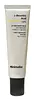
This brightening lip moisturizer is formulated around Ascorbic Acid to fade the look of dark spots and brighten dull-looking skin.


What's inside
What's inside
 Key Ingredients
Benefits
Concerns
Ingredients Side-by-side
Diisostearyl Malate
EmollientHydrogenated Polyisobutene
EmollientPhytosteryl/Isostearyl/Cetyl/Stearyl/Behenyl Dimer Dilinoleate
Skin Conditioning

Hydrogenated Poly(C6-14 Olefin)
EmollientPolybutene
Microcrystalline Wax
Emulsion StabilisingButyrospermum Parkii Butter
Skin Conditioning




Synthetic Wax
Abrasive
Euphorbia Cerifera Wax
Sucrose Tetrastearate Triacetate
Emollient
Ethylene/Propylene/Styrene Copolymer
Butylene/Ethylene/Styrene Copolymer
Mica
Cosmetic ColorantAstrocaryum Murumuru Seed Butter
Emollient
Limonene
Perfuming


Dimethicone
Emollient

CI 77891
Cosmetic ColorantPolyglyceryl-2 Diisostearate
Emulsifying
Dehydroacetic Acid
Preservative
Parfum
Masking
Polyglyceryl-2 Triisostearate
Emulsifying
Methicone
Emollient
Copernicia Cerifera Cera
Emollient
CI 15985
Cosmetic ColorantCitral
Perfuming
Polyhydroxystearic Acid
Emulsifying
CI 15850
Cosmetic ColorantLinalool
Perfuming
Water
Skin ConditioningBenzyl Benzoate
Antimicrobial
Potassium Alginate
Emulsion StabilisingGlycerin
Humectant
Propanediol
Solvent
Alcohol
Antimicrobial

Lycium Chinense Fruit Extract
Antioxidant
Rubus Idaeus Fruit Extract
AstringentVaccinium Angustifolium Fruit Extract
Skin Protecting
Coffea Arabica Seed Extract
Masking
Sapindus Mukorossi Fruit Extract
Skin ConditioningVaccinium Macrocarpon Fruit Extract
AstringentFragaria Chiloensis Fruit Extract
Skin Conditioning
Rubus Chamaemorus Seed Extract
Skin ConditioningChenopodium Quinoa Seed Extract
Skin Conditioning
Magnesium Sulfate
Calcium Chloride
AstringentSodium Hyaluronate
Humectant

Beta-Glucan
Skin Conditioning
Manganese Sulfate
Skin ConditioningZinc Sulfate
Antimicrobial
Ascorbyl Glucoside
Antioxidant

Diisostearyl Malate, Hydrogenated Polyisobutene, Phytosteryl/Isostearyl/Cetyl/Stearyl/Behenyl Dimer Dilinoleate, Hydrogenated Poly(C6-14 Olefin), Polybutene, Microcrystalline Wax, Butyrospermum Parkii Butter, Synthetic Wax, Euphorbia Cerifera Wax, Sucrose Tetrastearate Triacetate, Ethylene/Propylene/Styrene Copolymer, Butylene/Ethylene/Styrene Copolymer, Mica, Astrocaryum Murumuru Seed Butter, Limonene, Dimethicone, CI 77891, Polyglyceryl-2 Diisostearate, Dehydroacetic Acid, Parfum, Polyglyceryl-2 Triisostearate, Methicone, Copernicia Cerifera Cera, CI 15985, Citral, Polyhydroxystearic Acid, CI 15850, Linalool, Water, Benzyl Benzoate, Potassium Alginate, Glycerin, Propanediol, Alcohol, Lycium Chinense Fruit Extract, Rubus Idaeus Fruit Extract, Vaccinium Angustifolium Fruit Extract, Coffea Arabica Seed Extract, Sapindus Mukorossi Fruit Extract, Vaccinium Macrocarpon Fruit Extract, Fragaria Chiloensis Fruit Extract, Rubus Chamaemorus Seed Extract, Chenopodium Quinoa Seed Extract, Magnesium Sulfate, Calcium Chloride, Sodium Hyaluronate, Beta-Glucan, Manganese Sulfate, Zinc Sulfate, Ascorbyl Glucoside
Glycerin
Humectant
Petrolatum
Emollient
Octyldodecanol
Emollient
Propanediol
Solvent
Propylene Glycol
Humectant
Ascorbic Acid
Antioxidant

Hydrogenated Polyisobutene
EmollientIsoamyl Laurate
Emollient
Persea Gratissima Butter
Skin Conditioning
Cetyl Diglyceryl Tris(Trimethylsiloxy)Silylethyl Dimethicone
Emulsion Stabilising
C10-18 Triglycerides
Emollient
Euphorbia Cerifera Wax
Cera Microcristallina
Emulsion StabilisingOzokerite
Emulsion StabilisingHydroxyphenoxy Propionic Acid
Skin ConditioningTocopheryl Acetate
Antioxidant
Dibutyl Ethylhexanoyl Glutamide
Skin ConditioningDibutyl Lauroyl Glutamide
Skin ConditioningCoffea Arabica Seed Oil
Masking
Hydrogenated Vegetable Oil
Emollient
BHT
Antioxidant
Glycerin, Petrolatum, Octyldodecanol, Propanediol, Propylene Glycol, Ascorbic Acid, Hydrogenated Polyisobutene, Isoamyl Laurate, Persea Gratissima Butter, Cetyl Diglyceryl Tris(Trimethylsiloxy)Silylethyl Dimethicone, C10-18 Triglycerides, Euphorbia Cerifera Wax, Cera Microcristallina, Ozokerite, Hydroxyphenoxy Propionic Acid, Tocopheryl Acetate, Dibutyl Ethylhexanoyl Glutamide, Dibutyl Lauroyl Glutamide, Coffea Arabica Seed Oil, Hydrogenated Vegetable Oil, BHT
Reviews
Ingredients Explained
These ingredients are found in both products.
Ingredients higher up in an ingredient list are typically present in a larger amount.
Glycerin (or glycerol) is a compound naturally found in your skin. It's a powerhouse humectant that pulls water into the stratum corneum.
Topically, glycerin does several things at once:
Your skin makes glycerin on its own (mostly from sebaceous oil breakdown) and shuttles it to your outermost layer of skin, or your epidermis, via aquaporin-3.
Aquaporin-3 is a transporter that is essential for normal skin hydration, elasticity, and repair. Interestingly, mice lacking in AQP3 have dry and less elastic skin that can be fully corrected with glycerin.
This ingredient is non-irritating, plays well with almost every ingredient, and works across all skin types. Typical use is anywhere between 3-10% but can go up to 79% in some leave-on products.
Just know very high concentrations (>40%) can feel tacky in low humidity.
Glycerin is the name for this ingredient in American English. British English uses Glycerol/Glycerine.
Learn more about GlycerinHydrogenated Polyisobutene is a synthetic polymer. Polymers are compounds with high molecular weight. Hydrogenated Polyisobutene is an emollient and texture enhancer.
In one study, Hydrogenated Polyisobutene showed better skin hydration levels than Caprylic/Capric Triglyceride. As an emollient, it helps keep your skin soft and hydrated by trapping moisture in.
Hydrogenated Polyisobutene is often used as a mineral oil replacement.
Learn more about Hydrogenated PolyisobutenePropanediol is an all-star ingredient. It softens, hydrates, and smooths the skin.
It’s often used to:
Propanediol is not likely to cause sensitivity and considered safe to use. It is derived from corn or petroleum with a clear color and no scent.
Learn more about PropanediolEuphorbia Cerifera Wax (aka candelilla wax) is a vegan stand-in for beeswax. It is a plant-derived wax that functions as an astringent, emulsion stabilizer, film-former, and skin conditioner.
On skin, it forms a protective barrier that helps lock in moisture while it enhances product stability, prevents separation, and helps color last longer in makeup.
This ingredient is generally safe for use in cosmetics with one nuance: some grades of candelilla wax can naturally contain benzyl alcohol at concentrations high enough to require declaration under EU labeling rules. This isn't a concern for most people but relevant for those with fragrance sensitivities.
Candelilla wax contains fatty acids (mainly C31) and wax esters that can be used by the Malassezia yeast, so this ingredient may not be fungal acne safe.
You might see Euphorbia Cerifera "Cera" instead of "wax". This is because some brands, databases, or labels use it interchangeably; they're the same ingredient.
Learn more about Euphorbia Cerifera Wax

