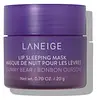
This hydrating lip mask is formulated around Butyrospermum Parkii Butter and Cocos Nucifera Oil to hydrate lips and strengthen the lip barrier.
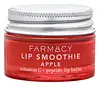
This smoothing lip moisturizer is formulated around Tetrahexyldecyl Ascorbate and Palmitoyl Tripeptide-1 to refine skin texture.


What's inside
What's inside
 Key Ingredients
Benefits
Concerns
Ingredients Side-by-side
Diisostearyl Malate
EmollientHydrogenated Polyisobutene
EmollientPhytosteryl/Isostearyl/Cetyl/Stearyl/Behenyl Dimer Dilinoleate
Skin Conditioning

Polybutene
Hydrogenated Poly(C6-14 Olefin)
EmollientCera Microcristallina
Emulsion StabilisingButyrospermum Parkii Butter
Skin Conditioning




Synthetic Wax
Abrasive
Ethylene/Propylene/Styrene Copolymer
Sucrose Tetrastearate Triacetate
Emollient
Mica
Cosmetic ColorantEuphorbia Cerifera Cera
Astringent
Candelilla Wax Esters
Parfum
Masking


Astrocaryum Murumuru Seed Butter
Emollient
CI 77891
Cosmetic ColorantPolyglyceryl-2 Diisostearate
Emulsifying
Glyceryl Caprylate
EmollientPolyglyceryl-2 Triisostearate
Emulsifying
Butylene/Ethylene/Styrene Copolymer
Copernicia Cerifera Cera
Emollient
Methicone
Emollient
CI 15850
Cosmetic ColorantCocos Nucifera Oil
Masking

Pentaerythrityl Tetra-Di-T-Butyl Hydroxyhydrocinnamate
Antioxidant
CI 42090
Cosmetic ColorantAscorbic Acid
Antioxidant





Water
Skin ConditioningGlycerin
Humectant
Propanediol
Solvent
BHT
Antioxidant
Punica Granatum Fruit Juice
MaskingRubus Idaeus Juice
AstringentVitis Vinifera Juice
Antioxidant
Diisostearyl Malate, Hydrogenated Polyisobutene, Phytosteryl/Isostearyl/Cetyl/Stearyl/Behenyl Dimer Dilinoleate, Polybutene, Hydrogenated Poly(C6-14 Olefin), Cera Microcristallina, Butyrospermum Parkii Butter, Synthetic Wax, Ethylene/Propylene/Styrene Copolymer, Sucrose Tetrastearate Triacetate, Mica, Euphorbia Cerifera Cera, Candelilla Wax Esters, Parfum, Astrocaryum Murumuru Seed Butter, CI 77891, Polyglyceryl-2 Diisostearate, Glyceryl Caprylate, Polyglyceryl-2 Triisostearate, Butylene/Ethylene/Styrene Copolymer, Copernicia Cerifera Cera, Methicone, CI 15850, Cocos Nucifera Oil, Pentaerythrityl Tetra-Di-T-Butyl Hydroxyhydrocinnamate, CI 42090, Ascorbic Acid, Water, Glycerin, Propanediol, BHT, Punica Granatum Fruit Juice, Rubus Idaeus Juice, Vitis Vinifera Juice
Hydrogenated Polyisobutene
EmollientDiisostearyl Malate
EmollientPhytosteryl/Isostearyl/Cetyl/Stearyl/Behenyl Dimer Dilinoleate
Skin Conditioning
Caprylic/Capric Triglyceride
Masking
Polybutene
Mangifera Indica Seed Butter
Skin Conditioning
Synthetic Wax
Abrasive
Ethylene/Propylene/Styrene Copolymer
Euphorbia Cerifera Wax
Brassica Campestris/Aleurites Fordi Oil Copolymer
Skin Conditioning
Butyrospermum Parkii Butter
Skin Conditioning
Tetrahexyldecyl Ascorbate
Antioxidant

Palmitoyl Tripeptide-1
Skin Conditioning
Pyrus Malus Fruit Extract
Skin Conditioning
Glycerin
Humectant
Moringa Oleifera Seed Oil
Emollient
Curcuma Longa Leaf Extract
Skin ConditioningSolanum Melongena Fruit Extract
Skin ConditioningCoccinia Indica Fruit Extract
Skin Conditioning
Ocimum Sanctum Leaf Extract
Skin ConditioningCorallina Officinalis Extract
Skin Conditioning
Melia Azadirachta Leaf Extract
Skin ConditioningMelia Azadirachta Flower Extract
Skin ConditioningMelia Azadirachta Extract
Skin ConditioningTocopherol
Antioxidant
Tribehenin
Emollient
Ethylhexyl Palmitate
Emollient
Glyceryl Caprylate
EmollientMalic Acid
Buffering
Lactic Acid
Buffering
Sorbitan Isostearate
Emulsifying
Amber Powder
Pentaerythrityl Tetra-Di-T-Butyl Hydroxyhydrocinnamate
Antioxidant
Butylene/Ethylene/Styrene Copolymer
Aroma
Limonene
Perfuming
Hydrogenated Polyisobutene, Diisostearyl Malate, Phytosteryl/Isostearyl/Cetyl/Stearyl/Behenyl Dimer Dilinoleate, Caprylic/Capric Triglyceride, Polybutene, Mangifera Indica Seed Butter, Synthetic Wax, Ethylene/Propylene/Styrene Copolymer, Euphorbia Cerifera Wax, Brassica Campestris/Aleurites Fordi Oil Copolymer, Butyrospermum Parkii Butter, Tetrahexyldecyl Ascorbate, Palmitoyl Tripeptide-1, Pyrus Malus Fruit Extract, Glycerin, Moringa Oleifera Seed Oil, Curcuma Longa Leaf Extract, Solanum Melongena Fruit Extract, Coccinia Indica Fruit Extract, Ocimum Sanctum Leaf Extract, Corallina Officinalis Extract, Melia Azadirachta Leaf Extract, Melia Azadirachta Flower Extract, Melia Azadirachta Extract, Tocopherol, Tribehenin, Ethylhexyl Palmitate, Glyceryl Caprylate, Malic Acid, Lactic Acid, Sorbitan Isostearate, Amber Powder, Pentaerythrityl Tetra-Di-T-Butyl Hydroxyhydrocinnamate, Butylene/Ethylene/Styrene Copolymer, Aroma, Limonene
Reviews
Ingredients Explained
These ingredients are found in both products.
Ingredients higher up in an ingredient list are typically present in a larger amount.
This ingredient is a high-molecular weight synthetic polymer. It is used to modify the viscosity of a formula, improve slip, and create a more "cushiony" texture.
Due to its large molecular size, this ingredient is not absorbed into the skin.
This ingredient is also known as shea butter. It is a plant-derived extract from the nuts of the Africa shea tree and one of the most well-studied emollients.
Because it has a high concentration of fatty acids (primarily oleic, stearic, and linoleic) it is able to form a protective barrier on the skin's surface. This helps seal in moisture and prevents transepidermal water loss (TEWL).
In vitro research found an increase in skin hydration by 58% and a decrease in TEWL by 37.8% after 24 hours of applying this ingredient (pretty impressive for a single ingredient!).
Besides hydration, shea butter also contains triterpenes that have anti-inflammatory potential. In particule, lupeol cinnamate has shown the highest anti-inflammatory activity in vivo.
Shea butter also contains vitamins A and E which may contribute to antioxidant activity.
While Shea Butter has an SPF rating of about 3-4, it is not a sunscreen replacement.
This ingredient may not be fungal acne safe because its fatty acids fall within the C11-C24 range that the Malassezia yeast can metabolize.
This ingredient shows up on a lot of "pore-clogging" lists but there's no real evidence behind that. It doesn't even have a comedogenic rating from an actual study; the numbers you'll find online come from blogs citing other blogs.
Ratings for other ingredients mostly come from a 1980s rabbit ear test. This test doesn't translate well to human skin or to real products because the ingredient sits at a much lower percentage.
Some people still find it breaks them out. So if that's you, definitely trust your skin. Just know this one's based on experience and not evidence.
Learn more about Butyrospermum Parkii ButterDiisostearyl Malate is an emollient and most often used in lip products. It comes from isostearyl alcohol, a fatty acid, and malic acid, an AHA.
As an emollient, Diisostearyl Malate helps create a thin film on your skin to trap moisture in. This helps keep your skin soft and smooth.
This is a synthetic polymer used to thicken formulas, improve texture, and enhance spreadability.
Due to its large molecule size, this ingredient does not penetrate the skin and is considered well-tolerated.
Glycerin (or glycerol) is a compound naturally found in your skin. It's a powerhouse humectant that pulls water into the stratum corneum.
Topically, glycerin does several things at once:
Your skin makes glycerin on its own (mostly from sebaceous oil breakdown) and shuttles it to your outermost layer of skin, or your epidermis, via aquaporin-3.
Aquaporin-3 is a transporter that is essential for normal skin hydration, elasticity, and repair. Interestingly, mice lacking in AQP3 have dry and less elastic skin that can be fully corrected with glycerin.
This ingredient is non-irritating, plays well with almost every ingredient, and works across all skin types. Typical use is anywhere between 3-10% but can go up to 79% in some leave-on products.
Just know very high concentrations (>40%) can feel tacky in low humidity.
Glycerin is the name for this ingredient in American English. British English uses Glycerol/Glycerine.
Learn more about GlycerinGlyceryl Caprylate comes from glycerin and caprylic acid. It is an emollient, co-emulsifier, and preservative booster.
Its short C8 fatty acid chain makes it behave differently from its longer-chain emollient cousins like Glyceryl Stearate. It feels more lightweight, fast-absorbing, and silky instead of rich and waxy.
As a co-emulsifier, its "head" and "tail" sit at the oil-water interface. But overall, the short C8 tail and not being water soluble means it doesn't really have the muscle to emulsify a formula on its own. That's why you'll often see it paired with a primary emulsifier like Cetearyl Glucoside.
Interestingly, Glyceryl Caprylate acts as a preservative booster. This is because its fatty-acid backbone disrupts microbial lipid membranes. It shows excellent activity against bacteria and yeast but is weaker against mold.
Typical concentrations range from 0.5-1% and this ingredient is generally non-irritating.
Because this ingredient has a C8 fatty acid chain, it is outside the range that the Malassezia yeast metabolizes (making it fungal acne safe).
Learn more about Glyceryl CaprylateHydrogenated Polyisobutene is a synthetic polymer. Polymers are compounds with high molecular weight. Hydrogenated Polyisobutene is an emollient and texture enhancer.
In one study, Hydrogenated Polyisobutene showed better skin hydration levels than Caprylic/Capric Triglyceride. As an emollient, it helps keep your skin soft and hydrated by trapping moisture in.
Hydrogenated Polyisobutene is often used as a mineral oil replacement.
Learn more about Hydrogenated PolyisobutenePentaerythrityl Tetra-Di-T-Butyl Hydroxyhydrocinnamate (long name, huh?) is a synthetic antioxidant.
It is used to help stabilize other antioxidants or prevent the color from changing in a product.
As an antioxidant, it helps fight free-radical molecules. Free-radical molecules are capable of damaging our cells and other genetic material. Thus, antioxidants may reduce the signs of aging.
This ingredient is oil-soluble.
Learn more about Pentaerythrityl Tetra-Di-T-Butyl HydroxyhydrocinnamateThis is a plant-derived ester that functions as a skin conditioner. It's basically a two linoleic acid molecules combined with fatty alcohols.
In practice, it works as a rich emollient that helps reduce moisture loss and give skin a soft appearance.
The phytosterol part of this ingredient brings an added structural bonus: phytosterols are structurally similar to cholesterol so they can fit right into the stratum corneum's lipid matrix to help reinforce the skin barrier.
Due to its molecular structure, this ingredient delivers a cushiony and glossy feeling without being excessively greasy.
It did not produce skin irritation or sensitization in clinical studies, and this ingredient is deemed safe to use in cosmetics at current practices.
Because this ingredient contains C16, C18, and C22 fatty chains, it may not be Malassezia/fungal acne safe. The Malassezia yeast potentially feeds on fatty acids in the C11-C24 range.
Learn more about Phytosteryl/Isostearyl/Cetyl/Stearyl/Behenyl Dimer DilinoleatePolybutene is used to help control the viscosity of a product. This just means it helps adjusts the texture.
It is a polymer and does not get absorbed into the skin due to its large size.
Studies found this ingredient did not irritate skin in concentrations below 15%.
Learn more about PolybuteneSynthetic Wax is a manufactured hydrocarbon wax. In formulas, it works as an occlusive emollient that helps reduce water loss and improves the spreadability of products.
Research comparing synthetic wax to traditional mineral-derived products found that formulas containing it perform as well for skin hydration.
It is considered non-comedogenic and vegan-friendly.
This ingredient has a well-established safety record by the CIR Expert Panel for Cosmetic Ingredient Safety.
Synthetic Waxes are straight/branched-chain hydrocarbons with no ester bond or fatty acids. That means there is nothing for the Malassezia yeast to feed on.
Learn more about Synthetic Wax

