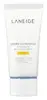
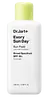
Laneige Hydro UV Defense Sunscreen Broad Spectrum SPF 50+ Versus Dr. Jart+ Every Sun Day Fluid Korean Sunscreen SPF 50+
This chemical sunscreen covers most of the UV range, lighter on the deep UVA that drives aging.
This sunscreen offers SPF 50 protection with a matte finish that helps control shine.

What's inside
What's inside
 Key Ingredients
Benefits
Concerns
Ingredients Side-by-side
Butyl Methoxydibenzoylmethane 2.5%
UV Absorber
Homosalate 9%
Skin Conditioning
Octocrylene 9%
UV Absorber

Ethylhexyl Salicylate 4.5%
UV Absorber
Water
Skin ConditioningPropanediol
Solvent

Butyloctyl Salicylate
Skin Conditioning
Glycerin
Humectant
Dimethicone
Emollient
Silica
Abrasive


Diphenylsiloxy Phenyl Trimethicone
Skin Conditioning
Behenyl Alcohol
Emollient
Trisiloxane
Skin Conditioning
Vp/Eicosene Copolymer
Cyclopentasiloxane
Emollient
Trimethylsiloxysilicate
Emollient
C14-22 Alcohols
Emulsion Stabilising
Ceramide AP
Skin Conditioning



1,2-Hexanediol
Skin Conditioning
Glyceryl Stearate
Emollient

PEG-100 Stearate
Surfactant
Phenyl Trimethicone
Skin Conditioning
Cetyl Alcohol
Emollient
Potassium Cetyl Phosphate
EmulsifyingCaprylyl Methicone
Skin Conditioning
Polyacrylate-13
Parfum
Masking

Polyisobutene
C12-20 Alkyl Glucoside
EmulsifyingEthylhexylglycerin
Skin ConditioningDisodium EDTA
ChelatingPolysorbate 20
Emulsifying
Sorbitan Isostearate
Emulsifying
Lavandula Angustifolia Flower Water
Skin Conditioning
Butylphenyl Methylpropional
Perfuming
Hydroxycitronellal
Perfuming
Limonene
Perfuming
Benzyl Salicylate
Perfuming
Alpha-Isomethyl Ionone
Perfuming
Geraniol
Perfuming
Citronellol
Perfuming
Butylene Glycol
Humectant
Glucose
Humectant
Aloe Barbadensis Leaf Extract
Emollient
Pentylene Glycol
Skin Conditioning
Centella Asiatica Flower/Leaf/Stem Extract
Skin Conditioning
Brassica Oleracea Italica Extract
AstringentHibiscus Abelmoschus Extract
MaskingMagnesium Sulfate
Calcium Chloride
AstringentTocopherol
Antioxidant



Xanthan Gum
EmulsifyingCitric Acid
Buffering
Sodium Benzoate
Masking
Potassium Sorbate
Preservative
Manganese Sulfate
Skin ConditioningChenopodium Quinoa Seed Extract
Skin Conditioning
Zinc Sulfate
Antimicrobial
Ascorbyl Glucoside
Antioxidant
Butyl Methoxydibenzoylmethane 2.5%, Homosalate 9%, Octocrylene 9%, Ethylhexyl Salicylate 4.5%, Water, Propanediol, Butyloctyl Salicylate, Glycerin, Dimethicone, Silica, Diphenylsiloxy Phenyl Trimethicone, Behenyl Alcohol, Trisiloxane, Vp/Eicosene Copolymer, Cyclopentasiloxane, Trimethylsiloxysilicate, C14-22 Alcohols, Ceramide AP, 1,2-Hexanediol, Glyceryl Stearate, PEG-100 Stearate, Phenyl Trimethicone, Cetyl Alcohol, Potassium Cetyl Phosphate, Caprylyl Methicone, Polyacrylate-13, Parfum, Polyisobutene, C12-20 Alkyl Glucoside, Ethylhexylglycerin, Disodium EDTA, Polysorbate 20, Sorbitan Isostearate, Lavandula Angustifolia Flower Water, Butylphenyl Methylpropional, Hydroxycitronellal, Limonene, Benzyl Salicylate, Alpha-Isomethyl Ionone, Geraniol, Citronellol, Butylene Glycol, Glucose, Aloe Barbadensis Leaf Extract, Pentylene Glycol, Centella Asiatica Flower/Leaf/Stem Extract, Brassica Oleracea Italica Extract, Hibiscus Abelmoschus Extract, Magnesium Sulfate, Calcium Chloride, Tocopherol, Xanthan Gum, Citric Acid, Sodium Benzoate, Potassium Sorbate, Manganese Sulfate, Chenopodium Quinoa Seed Extract, Zinc Sulfate, Ascorbyl Glucoside
Water
Skin ConditioningPropanediol
Solvent
Alcohol Denat.
Antimicrobial

Benzotriazolyl Dodecyl P-Cresol
UV AbsorberPentylene Glycol
Skin Conditioning
1,2-Hexanediol
Skin Conditioning
Silica
Abrasive
Dimethicone/Vinyl Dimethicone Crosspolymer
Skin Conditioning
Ammonium Acryloyldimethyltaurate/Vp Copolymer
Styrene/Acrylates Copolymer
Lavandula Angustifolia Oil
Masking

Ethylhexylglycerin
Skin ConditioningHydroxypropyl Methylcellulose Stearoxy Ether
Polyacrylate Crosspolymer-6
Emulsion StabilisingButylene Glycol
Humectant
Linalool
Perfuming
Limonene
Perfuming
BHT
Antioxidant
T-Butyl Alcohol
Perfuming
Tocopherol
Antioxidant
Water, Propanediol, Alcohol Denat., Benzotriazolyl Dodecyl P-Cresol, Pentylene Glycol, 1,2-Hexanediol, Silica, Dimethicone/Vinyl Dimethicone Crosspolymer, Ammonium Acryloyldimethyltaurate/Vp Copolymer, Styrene/Acrylates Copolymer, Lavandula Angustifolia Oil, Ethylhexylglycerin, Hydroxypropyl Methylcellulose Stearoxy Ether, Polyacrylate Crosspolymer-6, Butylene Glycol, Linalool, Limonene, BHT, T-Butyl Alcohol, Tocopherol
Reviews
Ingredients Explained
These ingredients are found in both products.
Ingredients higher up in an ingredient list are typically present in a larger amount.
1,2-Hexanediol is a synthetic liquid and another multi-functional powerhouse.
It is a:
- Humectant, drawing moisture into the skin
- Emollient, helping to soften skin
- Solvent, dispersing and stabilizing formulas
- Preservative booster, enhancing the antimicrobial activity of other preservatives
Butylene Glycol (or BG) is used within cosmetic products for a few different reasons:
Overall, Butylene Glycol is a safe and well-rounded ingredient that works well with other ingredients.
Though this ingredient works well with most skin types, some people with sensitive skin may experience a reaction such as allergic rashes, closed comedones, or itchiness.
Learn more about Butylene GlycolEthylhexylglycerin is created from glycerin. It is a multitasker ingredient that:
The CIR Expert Panel found minimal skin absorption or sensitization of any kind in a safety assessment. Though this ingredient is considered well-tolerated, a small number of cases of allergic dermatitis have been published since 2002. Just be sure to patch test if you are unsure.
Industry-reported use ranges from 8% in rinse-off products and 2% in leave-on formulations.
Learn more about EthylhexylglycerinLimonene is the compound that gives citrus peel its smell.
In skincare, it shows up as a standalone fragrance ingredient or as a natural compound of citrus and other essential oils.
You'll typically see this ingredient used in very small amounts; anything above 0.001% in a leave-on product or 0.01% in a rinse-off has to be named on the label in the EU. The citrus oils that carry it sit around 0.5-1% in a finished formula.
Fresh limonene is a weak allergen; the real issue is that it slowly reacts with air and then breaks down from oxidation to create hydroperoxides (which are strong sensitizers). This is why suppliers are required to keep the peroxide value below 20 mmol.
Positive reactions in people being investigated for eczema vary:
It's worth skipping if you have a known fragrance allergy or a compromised barrier, but the risk is low for most people.
Older or long-opened products are also more likely to bother you than fresh ones due to oxidation.
Learn more about LimonenePentylene Glycol (1,2-pentanediol) is a multitasking little diol with three main roles in a formula:
Research on alkanediols (the family pentylene glycol belongs to) show they work by disrupting microbial cell membranes. This disruption helps the primary preservative system in a product work more effectively at lower doses.
On the safety side, the Cosmetic Ingredient Review Expert Panel has concluded this ingredient to be safe as used in current cosmetic practices + concentrations.
Typical use levels in a formula run about 1-5%.
Learn more about Pentylene GlycolPropanediol is an all-star ingredient. It softens, hydrates, and smooths the skin.
It’s often used to:
Propanediol is not likely to cause sensitivity and considered safe to use. It is derived from corn or petroleum with a clear color and no scent.
Learn more about PropanediolSilica, also known as silicon dioxide, is a naturally occurring mineral. It is used as a fine, spherical, and porous powder in cosmetics.
Though it has exfoliant properties, the function of silica varies depending on the product.
The unique structure of silica enhances the spreadability and adds smoothness, making it a great texture enhancer.
It is also used as an active carrier, emulsifier, and mattifier due to its ability to absorb excess oil.
In some products, tiny microneedles called spicules are made from silica or hydrolyzed sponge. When you rub them in, they lightly polish away dead skin layers and enhance the penetration of active ingredients.
Learn more about SilicaTocopherol is a fat-soluble antioxidant known as Vitamin E.
You'll find this ingredient in the vast majority of skincare (for good reason). It works to neutralize free radicals, or unstable molecules generated by UV exposure, pollution, and other environmental stressors, before they can cause oxidative damage to your skin cells.
Topically applied tocopherol has been shown to protect against UV damage by ramping up the skin's own natural defense enzymes.
It also acts as a skin conditioning agent; some studies show that regular topical use can improve the skin's water-binding capacity over 2-4 weeks.
This ingredient is especially loved for being a team player. When combined with Vitamin C, the photoprotective effect of both ingredients roughly doubles and the combo also helps reduce UV-induced DNA damage.
This ingredient has some brightening potential but it's more of a prevention ingredient than spot-fader. Cell studies show it can slow down melanin production but it's worth noting that it's not the most powerful brightener out there.
In formulations, it also serves as a stabilizer that helps protect other oxidation-prone ingredients from degrading.
Concentrations usually range from 0.1-1% in most leave-on products.
Learn more about TocopherolWater. It's the most common cosmetic ingredient of all. You'll usually see it at the top of ingredient lists, meaning that it makes up the largest part of the product.
So why is it so popular? Water most often acts as a solvent - this means that it helps dissolve other ingredients into the formulation.
You'll also recognize water as that liquid we all need to stay alive. If you see this, drink a glass of water. Remember to stay hydrated!
Learn more about Water

