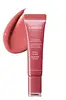
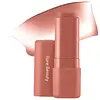
Laneige Glaze Craze Tinted Lip Serum Versus Rare Beauty Find Comfort Lip Butter Balm + Overnight Mask
This barrier-repair lip moisturizer is formulated around Punica Granatum Seed Oil and Squalane to strengthen the lip barrier and hydrate lips.
This barrier-repair lip moisturizer is formulated around Bis-Diglyceryl Polyacyladipate-2 and Butyrospermum Parkii Butter to strengthen the lip barrier and hydrate lips.


What's inside
What's inside
 Key Ingredients
Benefits
Concerns
Ingredients Side-by-side
Diisostearyl Malate
EmollientBis-Behenyl/Isostearyl/Phytosteryl Dimer Dilinoleyl Dimer Dilinoleate
EmollientBis-Diglyceryl Polyacyladipate-2
Emollient


Hydrogenated Polyisobutene
EmollientOctyldodecanol
Emollient
Microcrystalline Wax
Emulsion StabilisingSynthetic Wax
Abrasive

Parfum
Masking



Polyglyceryl-2 Triisostearate
Emulsifying
Punica Granatum Seed Oil
Emollient

CI 77891
Cosmetic ColorantSilica Dimethyl Silylate
EmollientCI 77491
Cosmetic ColorantCI 19140
Cosmetic ColorantCI 77499
Cosmetic ColorantWater
Skin ConditioningTocopherol
Antioxidant






Squalane
Emollient
CI 15850
Cosmetic ColorantCeramide NP
Skin Conditioning
Glycine Max Polypeptide
Skin Conditioning
1,2-Hexanediol
Skin Conditioning
Propylene Glycol
Humectant
Butylene Glycol
Humectant
Polyglutamic Acid
Skin Conditioning
Sodium Hyaluronate
Humectant
Ethylhexylglycerin
Skin ConditioningDiisostearyl Malate, Bis-Behenyl/Isostearyl/Phytosteryl Dimer Dilinoleyl Dimer Dilinoleate, Bis-Diglyceryl Polyacyladipate-2, Hydrogenated Polyisobutene, Octyldodecanol, Microcrystalline Wax, Synthetic Wax, Parfum, Polyglyceryl-2 Triisostearate, Punica Granatum Seed Oil, CI 77891, Silica Dimethyl Silylate, CI 77491, CI 19140, CI 77499, Water, Tocopherol, Squalane, CI 15850, Ceramide NP, Glycine Max Polypeptide, 1,2-Hexanediol, Propylene Glycol, Butylene Glycol, Polyglutamic Acid, Sodium Hyaluronate, Ethylhexylglycerin
Bis-Diglyceryl Polyacyladipate-2
Emollient
Caprylic/Capric Triglyceride
Masking
Bis-Behenyl/Isostearyl/Phytosteryl Dimer Dilinoleyl Dimer Dilinoleate
EmollientPhytosteryl/Isostearyl/Cetyl/Stearyl/Behenyl Dimer Dilinoleate
Skin Conditioning
Hydrogenated Castor Oil Dimer Dilinoleate
Skin Conditioning
Synthetic Wax
Abrasive
Glycerin
Humectant
Polyglyceryl-2 Triisostearate
Emulsifying
Microcrystalline Wax
Emulsion StabilisingStearalkonium Hectorite
Gel FormingButyrospermum Parkii Butter
Skin Conditioning
Pyrus Malus Seed Oil
Emollient
Diglyceryl Sebacate/Isopalmitate
EmollientOctyldodecyl Stearoyl Stearate
Emollient
Diisostearyl Malate
EmollientCandida Bombicola/Glucose/Methyl Rapeseedate Ferment
AntimicrobialAroma
Sucrose Tetrastearate Triacetate
Emollient
Ethylene/Propylene Copolymer
Abrasive
Propylene Carbonate
SolventVitis Vinifera Seed Oil
Emollient
Euphorbia Cerifera Wax
Polyglyceryl-4 Isostearate
Emulsifying
Centella Asiatica Leaf Extract
Skin Conditioning
Ricinus Communis Seed Oil
Masking
Tocopheryl Acetate
Antioxidant
Hyaluronic Acid
Humectant
Hydrogenated Castor Oil
Emollient
Caprylyl Glycol
Emollient
Glyceryl Caprylate
EmollientTocopherol
Antioxidant
Helianthus Annuus Seed Oil
Emollient
Polyglyceryl-2 Diisostearate
Emulsifying
Water
Skin ConditioningButylene Glycol
Humectant
Withania Somnifera Root Extract
Skin Conditioning
Vanillin
Masking
Benzyl Benzoate
Antimicrobial
CI 77891
Cosmetic ColorantCI 77491
Cosmetic ColorantCI 77492
Cosmetic ColorantCI 77499
Cosmetic ColorantCI 15850
Cosmetic ColorantBis-Diglyceryl Polyacyladipate-2, Caprylic/Capric Triglyceride, Bis-Behenyl/Isostearyl/Phytosteryl Dimer Dilinoleyl Dimer Dilinoleate, Phytosteryl/Isostearyl/Cetyl/Stearyl/Behenyl Dimer Dilinoleate, Hydrogenated Castor Oil Dimer Dilinoleate, Synthetic Wax, Glycerin, Polyglyceryl-2 Triisostearate, Microcrystalline Wax, Stearalkonium Hectorite, Butyrospermum Parkii Butter, Pyrus Malus Seed Oil, Diglyceryl Sebacate/Isopalmitate, Octyldodecyl Stearoyl Stearate, Diisostearyl Malate, Candida Bombicola/Glucose/Methyl Rapeseedate Ferment, Aroma, Sucrose Tetrastearate Triacetate, Ethylene/Propylene Copolymer, Propylene Carbonate, Vitis Vinifera Seed Oil, Euphorbia Cerifera Wax, Polyglyceryl-4 Isostearate, Centella Asiatica Leaf Extract, Ricinus Communis Seed Oil, Tocopheryl Acetate, Hyaluronic Acid, Hydrogenated Castor Oil, Caprylyl Glycol, Glyceryl Caprylate, Tocopherol, Helianthus Annuus Seed Oil, Polyglyceryl-2 Diisostearate, Water, Butylene Glycol, Withania Somnifera Root Extract, Vanillin, Benzyl Benzoate, CI 77891, CI 77491, CI 77492, CI 77499, CI 15850
Reviews
Ingredients Explained
These ingredients are found in both products.
Ingredients higher up in an ingredient list are typically present in a larger amount.
This ingredient is an emollient and skin conditioning agent.
Bis-Diglyceryl Polyacyladipate-2 is a synthetic emollient that works as a lanolin substitute.
This ingredient is a great vegan option for those avoiding animal-derived ingredients.
It mostly stays on the surface of skin where it helps hydrate due to its large molecular size and low water solubility.
Due to it being derived from fatty acids, this ingredient may not be Malassezia or fungal acne safe.
Learn more about Bis-Diglyceryl Polyacyladipate-2Butylene Glycol (or BG) is used within cosmetic products for a few different reasons:
Overall, Butylene Glycol is a safe and well-rounded ingredient that works well with other ingredients.
Though this ingredient works well with most skin types, some people with sensitive skin may experience a reaction such as allergic rashes, closed comedones, or itchiness.
Learn more about Butylene GlycolCi 15850 is the pigment color red. It is an azo dye and created synthetically.
Azo dyes need to be thoroughly purified before use. This allows them to be more stable and longer-lasting.
This ingredient is common in foundations, lipsticks, and blushes. This color is described as brown/orangey red.
It has many secondary names such as Red 6 and Red 7. According to a manufacturer, Red 6 usually contains aluminum.
Learn more about CI 15850Ci 77491 is also hydrated iron III oxide. It's sole purpose is to give a red/pink hue to products.
Iron III oxides are classified as inorganic chemicals for coloring.
Synthetically created Ci 77491 is considered safer than those naturally found. This is because the synthetically created version may contain less impurities. Iron oxides are generally non-toxic and non-allergenic.
Learn more about CI 77491Ci 77499 is also hydrated iron III oxide. It is created from mixing red and black iron oxides. This helps give shades of darkness to a product.
Iron III oxides are classified as inorganic chemicals for coloring.
Ci 77891 is a white pigment from Titanium dioxide. It is naturally found in minerals such as rutile and ilmenite.
It's main function is to add a white color to cosmetics. It can also be mixed with other colors to create different shades.
Ci 77891 is commonly found in sunscreens due to its ability to block UV rays.
Learn more about CI 77891Diisostearyl Malate is an emollient and most often used in lip products. It comes from isostearyl alcohol, a fatty acid, and malic acid, an AHA.
As an emollient, Diisostearyl Malate helps create a thin film on your skin to trap moisture in. This helps keep your skin soft and smooth.
Microcrystalline Wax is derived from petroleum through a de-oiling process, then highly refined and purified before use in cosmetics.
In skincare formulations, it is used to improve texture and create a smooth, even consistency. It also helps stabilize products by preventing ingredients from separating.
Polyglyceryl-2 Triisostearate is a plant-derived emulsifier and pigment-dispersing agent with a non-sticky skin feel.
It helps products glide on smoothly and prevents oil and water from separating in a formula, making it suitable for sunscreen and makeup formulations.
The EU inventory of cosmetics has no use restrictions on this ingredient and it is considered well-tolerated.
This ingredient may not be fungal acne safe because it is derived from isostearic acid.
Learn more about Polyglyceryl-2 TriisostearateSynthetic Wax is a manufactured hydrocarbon wax. In formulas, it works as an occlusive emollient that helps reduce water loss and improves the spreadability of products.
Research comparing synthetic wax to traditional mineral-derived products found that formulas containing it perform as well for skin hydration.
It is considered non-comedogenic and vegan-friendly.
This ingredient has a well-established safety record by the CIR Expert Panel for Cosmetic Ingredient Safety.
Synthetic Waxes are straight/branched-chain hydrocarbons with no ester bond or fatty acids. That means there is nothing for the Malassezia yeast to feed on.
Learn more about Synthetic WaxTocopherol is a fat-soluble antioxidant known as Vitamin E.
You'll find this ingredient in the vast majority of skincare (for good reason). It works to neutralize free radicals, or unstable molecules generated by UV exposure, pollution, and other environmental stressors, before they can cause oxidative damage to your skin cells.
Topically applied tocopherol has been shown to protect against UV damage by ramping up the skin's own natural defense enzymes.
It also acts as a skin conditioning agent; some studies show that regular topical use can improve the skin's water-binding capacity over 2-4 weeks.
This ingredient is especially loved for being a team player. When combined with Vitamin C, the photoprotective effect of both ingredients roughly doubles and the combo also helps reduce UV-induced DNA damage.
This ingredient has some brightening potential but it's more of a prevention ingredient than spot-fader. Cell studies show it can slow down melanin production but it's worth noting that it's not the most powerful brightener out there.
In formulations, it also serves as a stabilizer that helps protect other oxidation-prone ingredients from degrading.
Concentrations usually range from 0.1-1% in most leave-on products.
Learn more about TocopherolWater. It's the most common cosmetic ingredient of all. You'll usually see it at the top of ingredient lists, meaning that it makes up the largest part of the product.
So why is it so popular? Water most often acts as a solvent - this means that it helps dissolve other ingredients into the formulation.
You'll also recognize water as that liquid we all need to stay alive. If you see this, drink a glass of water. Remember to stay hydrated!
Learn more about Water

