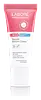
This barrier-repair moisturizer is formulated around Allantoin and Bifida Ferment Lysate to strengthen the skin barrier and calm redness.
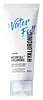
This barrier-repair moisturizer is formulated around Bifida Ferment Lysate and Hyaluronic Acid to strengthen the skin barrier and hydrate skin.


What's inside
What's inside
 Key Ingredients
Benefits
Concerns
Ingredients Side-by-side
1,2-Hexanediol
Skin Conditioning
Allantoin
Skin Conditioning



Water
Skin ConditioningBifida Ferment Lysate
Skin Conditioning
Bisabolol
Antioxidant
Butylene Glycol
Humectant
Butyrospermum Parkii Butter
Skin Conditioning




Caprylhydroxamic Acid
Cetearyl Alcohol
Emollient

Cetearyl Glucoside
Emulsifying
Chlorphenesin
Antimicrobial
Citric Acid
Buffering

Dicaprylyl Carbonate
EmollientDimethicone
Emollient
Disodium EDTA
Glucose
Humectant
Glycerin
Humectant
Glyceryl Stearate
Emollient
Hydroxyethyl Acrylate/Sodium Acryloyldimethyl Taurate Copolymer
Emulsion StabilisingMirabilis Jalapa Extract
Skin ConditioningPEG-100 Stearate
Surfactant
PEG-8
HumectantPEG-6 Caprylic/Capric Glycerides
EmulsifyingPhragmites Karka Extract
Skin ConditioningPolysilicone-11

Poria Cocos Extract
Skin ConditioningPropanediol
Solvent
Abn Complex
Saccharide Isomerate
Humectant
Sodium Benzoate
Masking
Sodium Citrate
BufferingSodium Hyaluronate
Humectant

Squalane
Emollient
Tocopheryl Acetate
Antioxidant
Xanthan Gum
Emulsifying1,2-Hexanediol, Allantoin, Water, Bifida Ferment Lysate, Bisabolol, Butylene Glycol, Butyrospermum Parkii Butter, Caprylhydroxamic Acid, Cetearyl Alcohol, Cetearyl Glucoside, Chlorphenesin, Citric Acid, Dicaprylyl Carbonate, Dimethicone, Disodium EDTA, Glucose, Glycerin, Glyceryl Stearate, Hydroxyethyl Acrylate/Sodium Acryloyldimethyl Taurate Copolymer, Mirabilis Jalapa Extract, PEG-100 Stearate, PEG-8, PEG-6 Caprylic/Capric Glycerides, Phragmites Karka Extract, Polysilicone-11, Poria Cocos Extract, Propanediol, Abn Complex, Saccharide Isomerate, Sodium Benzoate, Sodium Citrate, Sodium Hyaluronate, Squalane, Tocopheryl Acetate, Xanthan Gum
Water
Skin ConditioningButylene Glycol
Humectant
Glycerin
Humectant
Caprylyl Methicone
Skin Conditioning
Pentylene Glycol
Skin Conditioning
1,2-Hexanediol
Skin Conditioning
Chlorella Vulgaris Extract
Skin ConditioningMalachite Extract
Antioxidant
Bifida Ferment Filtrate
Skin Conditioning
Bifida Ferment Lysate
Skin Conditioning
Lactobacillus Ferment Lysate
Skin Conditioning
Lactococcus Ferment Lysate
Skin Conditioning
Saccharomyces Ferment Filtrate
Humectant
Polymnia Sonchifolia Root Juice
Skin ConditioningHyaluronic Acid
Humectant
Hydrolyzed Hyaluronic Acid
Humectant
Sodium Hyaluronate
Humectant
Pancratium Maritimum Extract
BleachingCetearyl Olivate
Hydrogenated Polydecene
EmollientSorbitan Olivate
Emulsifying
Dimethicone/Vinyl Dimethicone Crosspolymer
Skin Conditioning
Glucose
Humectant
Tromethamine
BufferingAmmonium Acryloyldimethyltaurate/Vp Copolymer
Hydroxyacetophenone
Antioxidant
Acrylates/C10-30 Alkyl Acrylate Crosspolymer
Emulsion StabilisingFructooligosaccharides
Humectant
Fructose
Humectant
Sodium Phytate
Silica
Abrasive

Ethylhexylglycerin
Skin ConditioningAlpha-Glucan Oligosaccharide
Cleansing
Maltodextrin
Absorbent
Lactobacillus
Skin ConditioningCarbomer
Emulsion StabilisingWater, Butylene Glycol, Glycerin, Caprylyl Methicone, Pentylene Glycol, 1,2-Hexanediol, Chlorella Vulgaris Extract, Malachite Extract, Bifida Ferment Filtrate, Bifida Ferment Lysate, Lactobacillus Ferment Lysate, Lactococcus Ferment Lysate, Saccharomyces Ferment Filtrate, Polymnia Sonchifolia Root Juice, Hyaluronic Acid, Hydrolyzed Hyaluronic Acid, Sodium Hyaluronate, Pancratium Maritimum Extract, Cetearyl Olivate, Hydrogenated Polydecene, Sorbitan Olivate, Dimethicone/Vinyl Dimethicone Crosspolymer, Glucose, Tromethamine, Ammonium Acryloyldimethyltaurate/Vp Copolymer, Hydroxyacetophenone, Acrylates/C10-30 Alkyl Acrylate Crosspolymer, Fructooligosaccharides, Fructose, Sodium Phytate, Silica, Ethylhexylglycerin, Alpha-Glucan Oligosaccharide, Maltodextrin, Lactobacillus, Carbomer
Reviews
Ingredients Explained
These ingredients are found in both products.
Ingredients higher up in an ingredient list are typically present in a larger amount.
1,2-Hexanediol is a synthetic liquid and another multi-functional powerhouse.
It is a:
- Humectant, drawing moisture into the skin
- Emollient, helping to soften skin
- Solvent, dispersing and stabilizing formulas
- Preservative booster, enhancing the antimicrobial activity of other preservatives
Bifida Ferment Lysate is a postbiotic ingredient made by fermenting Bifidobacterium to extract a nutrient-rich mix of peptides, amino acids, vitamins, organic acids, and polysaccharides.
These components are basically the building blocks that your skin already uses to stay hydrated, repair itself, and maintain its barrier. That's why this ingredient helps your skin hold onto moisture and stay resilient against irritation.
One in-vitro study found that this ingredient tells your skin cells to produce more of the proteins (filaggrin, loricrin, and involucrin) for building a strong and healthy barrier. This study also found this ingredient to be a solid antioxidant that helped neutralize damage against UV and pollution.
A study with people from 2010 found that sensitive, reactive skin using a cream with 10% of this ingredient for a month became noticeably less dry, less reactive, and harder to irritate compared to the group using a plain cream.
In short, this ingredient is a well-tolerated ingredient that can help with barrier repair, antioxidant protection, and calming reactive skin.
This ingredient is generally considered fungal acne (Malassezia) safe; Bifidobacterium is a bacterium, not a yeast or fungus.
The fungal acne concern with fermented ingredients mainly applies to yeast-derived ferments like Saccharomyces and Galactomyces, because those are in the same kingdom as Malassezia and could theoretically contain residual compounds that feed it.
Bifida is a completely different organism, so on its own it doesn't provide a food source for the Malassezia yeast that causes fungal acne.
Learn more about Bifida Ferment LysateButylene Glycol (or BG) is used within cosmetic products for a few different reasons:
Overall, Butylene Glycol is a safe and well-rounded ingredient that works well with other ingredients.
Though this ingredient works well with most skin types, some people with sensitive skin may experience a reaction such as allergic rashes, closed comedones, or itchiness.
Learn more about Butylene GlycolGlucose is a simple sugar (a monosaccharide). In skincare, it is mostly a humectant and skin conditioning agent.
Mechanistically, it has multiple hydroxyl groups that hydrogen-bond to water. This pulls moisture into the upper layers of skin to keep the surface soft and hydrated.
It's worth knowing sugars are already a natural component of the skin's NMF (natural moisturizing factor) so it's a molecule that your stratum corneum is well-acquainted with.
Just so you know, glucose is hydrophilic (water-loving) and the stratum corneum is a strong barrier to hydrophilic compounds. This just means penetration is slow and most of the action is happening on the surface.
Gram-to-gram, glucose is not as efficient as a humectant as glycerin. This is why you'll likely see glycose paired with stronger humectants for a bigger hydration payoff.
In skincare, glucose is typically derived from corn or other starch sources.
Learn more about GlucoseGlycerin (or glycerol) is a compound naturally found in your skin. It's a powerhouse humectant that pulls water into the stratum corneum.
Topically, glycerin does several things at once:
Your skin makes glycerin on its own (mostly from sebaceous oil breakdown) and shuttles it to your outermost layer of skin, or your epidermis, via aquaporin-3.
Aquaporin-3 is a transporter that is essential for normal skin hydration, elasticity, and repair. Interestingly, mice lacking in AQP3 have dry and less elastic skin that can be fully corrected with glycerin.
This ingredient is non-irritating, plays well with almost every ingredient, and works across all skin types. Typical use is anywhere between 3-10% but can go up to 79% in some leave-on products.
Just know very high concentrations (>40%) can feel tacky in low humidity.
Glycerin is the name for this ingredient in American English. British English uses Glycerol/Glycerine.
Learn more about GlycerinSodium Hyaluronate is the salt form of hyaluronic acid. It is a long sugar chain that is naturally found in your skin, joints, and connective tissue that maintains hydration and elasticity.
In skincare, it works as a humectant. It pulls water from the environment and deeper layers of skin and binds it to the surface.
Interestingly, the size of the molecule affects its behavior:
Some clinical evidence links low molecular weight versions to improved wrinkle depth, elasticity, anti-inflammatory effects, and barrier repair.
Many serums use a blend of both weights so you can get surface hydration plus longer-lasting and deeper effects.
You'll typically see concentrations between 0.1-2% for this ingredient.
Learn more about Sodium HyaluronateWater. It's the most common cosmetic ingredient of all. You'll usually see it at the top of ingredient lists, meaning that it makes up the largest part of the product.
So why is it so popular? Water most often acts as a solvent - this means that it helps dissolve other ingredients into the formulation.
You'll also recognize water as that liquid we all need to stay alive. If you see this, drink a glass of water. Remember to stay hydrated!
Learn more about Water

