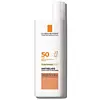
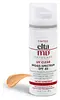
La Roche-Posay Anthelios Tinted Mineral Light Fluid Sunscreen SPF 50 Versus EltaMD, Inc UV Clear Tinted SPF 46


What's inside
What's inside
 Key Ingredients
Benefits
Concerns
Ingredients Side-by-side
Titanium Dioxide 11%
Cosmetic Colorant

Water
Skin ConditioningIsododecane
EmollientC12-15 Alkyl Benzoate
AntimicrobialDimethicone
Emollient

Undecane
EmollientTriethylhexanoin
MaskingIsohexadecane
EmollientStyrene/Acrylates Copolymer
Nylon-12

Caprylyl Methicone
Skin Conditioning
Butyloctyl Salicylate
Skin Conditioning
Phenethyl Benzoate
Emollient
Silica
Abrasive

Tridecane
Perfuming
Dicaprylyl Carbonate
EmollientDicaprylyl Ether
Emollient
Talc
Abrasive
Dimethicone/PEG-10/15 Crosspolymer
Aluminum Stearate
Cosmetic ColorantPentylene Glycol
Skin Conditioning
PEG-9 Polydimethylsiloxyethyl Dimethicone
Emulsifying
Iron Oxides
Alumina
Abrasive
Polyhydroxystearic Acid
Emulsifying
Phenoxyethanol
Preservative
Magnesium Sulfate
Propylene Glycol
Humectant

Caprylyl Glycol
Emollient
Aluminum Hydroxide
EmollientPEG-8 Laurate
Emulsifying
Stearic Acid
Cleansing
Disteardimonium Hectorite
StabilisingDiethylhexyl Syringylidenemalonate
Skin ProtectingTocopherol
Antioxidant





Propylene Carbonate
SolventCassia Alata Leaf Extract
AstringentMaltodextrin
Absorbent
Benzoic Acid
Masking
Disodium Stearoyl Glutamate
CleansingTitanium Dioxide 11%, Water, Isododecane, C12-15 Alkyl Benzoate, Dimethicone, Undecane, Triethylhexanoin, Isohexadecane, Styrene/Acrylates Copolymer, Nylon-12, Caprylyl Methicone, Butyloctyl Salicylate, Phenethyl Benzoate, Silica, Tridecane, Dicaprylyl Carbonate, Dicaprylyl Ether, Talc, Dimethicone/PEG-10/15 Crosspolymer, Aluminum Stearate, Pentylene Glycol, PEG-9 Polydimethylsiloxyethyl Dimethicone, Iron Oxides, Alumina, Polyhydroxystearic Acid, Phenoxyethanol, Magnesium Sulfate, Propylene Glycol, Caprylyl Glycol, Aluminum Hydroxide, PEG-8 Laurate, Stearic Acid, Disteardimonium Hectorite, Diethylhexyl Syringylidenemalonate, Tocopherol, Propylene Carbonate, Cassia Alata Leaf Extract, Maltodextrin, Benzoic Acid, Disodium Stearoyl Glutamate
Zinc Oxide 9%
Cosmetic Colorant
Ethylhexyl Methoxycinnamate 7.5%
UV Absorber
Water
Skin ConditioningCyclopentasiloxane
Emollient
Niacinamide
Smoothing



Octyldodecyl Neopentanoate
EmollientButylene Glycol
Humectant
Hydroxyethyl Acrylate/Sodium Acryloyldimethyl Taurate Copolymer
Emulsion StabilisingPolyisobutene
PEG-7 Trimethylolpropane Coconut Ether
Emulsifying
Sodium Hyaluronate
Humectant
Tocopheryl Acetate
Antioxidant
Lactic Acid
Buffering
Oleth-3 Phosphate
SurfactantPhenoxyethanol
Preservative
Iodopropynyl Butylcarbamate
Preservative
Isopropyl Palmitate
Emollient
Ethylhexyl Stearate
Emollient
Iron Oxides
Triethoxycaprylylsilane
Zinc Oxide 9%, Ethylhexyl Methoxycinnamate 7.5%, Water, Cyclopentasiloxane, Niacinamide, Octyldodecyl Neopentanoate, Butylene Glycol, Hydroxyethyl Acrylate/Sodium Acryloyldimethyl Taurate Copolymer, Polyisobutene, PEG-7 Trimethylolpropane Coconut Ether, Sodium Hyaluronate, Tocopheryl Acetate, Lactic Acid, Oleth-3 Phosphate, Phenoxyethanol, Iodopropynyl Butylcarbamate, Isopropyl Palmitate, Ethylhexyl Stearate, Iron Oxides, Triethoxycaprylylsilane
Reviews
Ingredients Explained
These ingredients are found in both products.
Ingredients higher up in an ingredient list are typically present in a larger amount.
Phenoxyethanol is a preservative that has germicide, antimicrobial, and aromatic properties. Studies show that phenoxyethanol can prevent microbial growth. By itself, it has a scent that is similar to that of a rose.
It's often used in formulations along with Caprylyl Glycol to preserve the shelf life of products.
Water. It's the most common cosmetic ingredient of all. You'll usually see it at the top of ingredient lists, meaning that it makes up the largest part of the product.
So why is it so popular? Water most often acts as a solvent - this means that it helps dissolve other ingredients into the formulation.
You'll also recognize water as that liquid we all need to stay alive. If you see this, drink a glass of water. Remember to stay hydrated!
Learn more about WaterThis ingredient is a combination of red, black, and yellow iron oxide pigments. This combination of colors is usually found in foundation, because it results in a "skin" color.
The EU typically uses CI numbers for colorants when applicable, such as CI 77489. In the US, iron oxides are regulated as color additives and "iron oxides" is the most commonly used name in US cosmetic practice.
A 2021 paper looked at skincare formulations containing iron oxides and found that they reduced transmission of blue light when measured optically. In simple terms, the pigment particles helped block or scatter part of the visible light spectrum in lab testing and the authors suggest this could translate into better protection against blue-light-related skin effects.
There is also clinical and experimental research showing that tinted products containing iron oxides can reduce visible light-induced pigmentation:
Please note, whether a product reduces visible or blue light depends on things like:
In the EU's CosIng database, iron oxides are only listed as a colorant. CosIng groups ingredients by their main cosmetic role, such as colorant, preservative, or UV filter.
Though studies say iron oxides can "attenuate blue light", they're describing an optical property and not an officially recognized cosmetic function.
So CosIng isn’t contradicting the research. It’s just classifying iron oxides by what they officially are: pigments that add color.
Learn more about Iron Oxides
