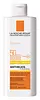
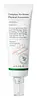
La Roche-Posay Anthelios Mineral Body SPF 50 Versus AXIS - Y Complete No-Stress Physical Sunscreen SPF 50+
This sunscreen offers SPF 50 protection with a matte finish that helps control shine.
This mineral sunscreen covers the full UV range and blocks ~98% of UVB at SPF 50.


What's inside
What's inside
 Key Ingredients
Benefits
Concerns
Ingredients Side-by-side
Water
Skin ConditioningDimethicone
Emollient

C12-15 Alkyl Benzoate
AntimicrobialIsohexadecane
EmollientTalc
Abrasive
Styrene/Acrylates Copolymer
Isododecane
EmollientCaprylyl Methicone
Skin Conditioning
Dicaprylyl Ether
Emollient
Triethylhexanoin
MaskingDicaprylyl Carbonate
EmollientDimethicone/PEG-10/15 Crosspolymer
Aluminum Hydroxide
EmollientStearic Acid
Cleansing


PEG-9 Polydimethylsiloxyethyl Dimethicone
Emulsifying
Pentylene Glycol
Skin Conditioning
Alumina
Abrasive
Aluminum Stearate
Cosmetic ColorantCaprylyl Glycol
Emollient
Dipropylene Glycol
HumectantDisteardimonium Hectorite
StabilisingMagnesium Sulfate
PEG-8 Laurate
Emulsifying
Phenoxyethanol
Preservative
Polyhydroxystearic Acid
Emulsifying
Propylene Carbonate
SolventSodium Citrate
BufferingTocopherol
Antioxidant





Water, Dimethicone, C12-15 Alkyl Benzoate, Isohexadecane, Talc, Styrene/Acrylates Copolymer, Isododecane, Caprylyl Methicone, Dicaprylyl Ether, Triethylhexanoin, Dicaprylyl Carbonate, Dimethicone/PEG-10/15 Crosspolymer, Aluminum Hydroxide, Stearic Acid, PEG-9 Polydimethylsiloxyethyl Dimethicone, Pentylene Glycol, Alumina, Aluminum Stearate, Caprylyl Glycol, Dipropylene Glycol, Disteardimonium Hectorite, Magnesium Sulfate, PEG-8 Laurate, Phenoxyethanol, Polyhydroxystearic Acid, Propylene Carbonate, Sodium Citrate, Tocopherol
Water
Skin ConditioningCyclohexasiloxane
Emollient
Zinc Oxide
Cosmetic Colorant


CI 77891
Cosmetic ColorantPropanediol
Solvent
Polyglyceryl-3 Polydimethylsiloxyethyl Dimethicone
Skin Conditioning
Dibutyl Adipate
EmollientNiacinamide
Smoothing




Caprylyl Methicone
Skin Conditioning
1,2-Hexanediol
Skin Conditioning
Disteardimonium Hectorite
StabilisingBetaine
Humectant
Magnesium Sulfate
Hydrogen Dimethicone
Inositol
Humectant
Aluminum Hydroxide
EmollientC30-45 Alkyl Cetearyl Dimethicone Crosspolymer
Emollient
Polyglyceryl-2 Dipolyhydroxystearate
Skin Conditioning
Styrene/Acrylates Copolymer
Stearic Acid
Cleansing
Butylene Glycol
Humectant
Pentylene Glycol
Skin Conditioning
Ethylhexylglycerin
Skin ConditioningOctyldodecanol
Emollient
Adenosine
Skin Conditioning
Glycerin
Humectant
Squalane
Emollient
Allantoin
Skin Conditioning
Anthemis Nobilis Flower Water
Masking
Echium Plantagineum Seed Oil
Skin Conditioning
Artemisia Capillaris Extract 0.005%
Vitis Vinifera Seed Extract
Antimicrobial
Calendula Officinalis Flower Extract
Masking
Camellia Sinensis Leaf Extract
Antimicrobial
Cardiospermum Halicacabum Flower/Leaf/Vine Extract
Skin ConditioningHelianthus Annuus Seed Oil Unsaponifiables
Emollient
Leuconostoc/Radish Root Ferment Filtrate
Antimicrobial
Dicaprylyl Carbonate
EmollientSorbitan Sesquioleate
Emulsifying
Palmitoyl Tripeptide-5
Skin Conditioning
Tocopherol
Antioxidant
Water, Cyclohexasiloxane, Zinc Oxide, CI 77891, Propanediol, Polyglyceryl-3 Polydimethylsiloxyethyl Dimethicone, Dibutyl Adipate, Niacinamide, Caprylyl Methicone, 1,2-Hexanediol, Disteardimonium Hectorite, Betaine, Magnesium Sulfate, Hydrogen Dimethicone, Inositol, Aluminum Hydroxide, C30-45 Alkyl Cetearyl Dimethicone Crosspolymer, Polyglyceryl-2 Dipolyhydroxystearate, Styrene/Acrylates Copolymer, Stearic Acid, Butylene Glycol, Pentylene Glycol, Ethylhexylglycerin, Octyldodecanol, Adenosine, Glycerin, Squalane, Allantoin, Anthemis Nobilis Flower Water, Echium Plantagineum Seed Oil, Artemisia Capillaris Extract 0.005%, Vitis Vinifera Seed Extract, Calendula Officinalis Flower Extract, Camellia Sinensis Leaf Extract, Cardiospermum Halicacabum Flower/Leaf/Vine Extract, Helianthus Annuus Seed Oil Unsaponifiables, Leuconostoc/Radish Root Ferment Filtrate, Dicaprylyl Carbonate, Sorbitan Sesquioleate, Palmitoyl Tripeptide-5, Tocopherol
Reviews
Ingredients Explained
These ingredients are found in both products.
Ingredients higher up in an ingredient list are typically present in a larger amount.
Aluminum Hydroxide is a form of aluminum. It can be naturally found in nature as the mineral gibbsite. In cosmetics, Aluminum Hydroxide is used as a colorant, pH adjuster, and absorbent.
As a colorant, Aluminum Hydroxide may add opacity, or reduce the transparency. Aluminum hydroxide is contains both basic and acidic properties.
According to manufacturers, this ingredient is an emollient and humectant. This means it helps hydrate the skin.
In medicine, this ingredient is used to help relieve heartburn and help heal ulcers.
There is currently no credible scientific evidence linking aluminum hydroxide in cosmetics to increased cancer risk.
Major health organizations allow the use of aluminum hydroxide in personal care products and have not flagged it as a carcinogenic risk at typical usage levels.
Learn more about Aluminum HydroxideCaprylyl Methicone is a synthetic and lightweight silicone fluid. It gives products a silky, dry-touch finish without the heaviness of pure oils.
Though the EU CosIng Database lists this ingredient as a skin conditioner, it is also used for sensory reasons. It spreads easily, cuts greasiness, and reduces tackiness.
This ingredient is volatile which means it will mostly evaporate (but it evaporates slower than older cyclomethicones, like Cyclotetrasiloxane).
Typical concentration ranges from 1-30% depending on if it's being used to tweak the feel of a product or acting as the main emollient.
Learn more about Caprylyl MethiconeDicaprylyl Carbonate comes from carbonic acid and caprylyl alcohol, a fatty alcohol. It is an emollient and gives skin a velvet feel. The sources of Dicaprylyl Carbonate may be synthetic or from animals.
As an emollient, Dicaprylyl Carbonate creates a film on the skin. This film traps moisture in, keeping your skin soft and hydrated.
Disteardimonium Hectorite comes from the clay mineral named hectorite. It is used to add thickness to a product.
It can also help stabilize a product by helping to disperse other ingredients.
Hectorite is a rare, white clay mineral.
Learn more about Disteardimonium HectoriteMagnesium Sulfate is a salt. More specifically, it is an epsom salt, or the bath salt used to help relieve muscle aches.
Despite having ‘sulfate’ in the name, it isn’t a surfactant or cleansing agent like sodium lauryl sulfate. Unlike those sulfates, magnesium sulfate doesn’t have the same cleansing or foaming properties (it's simply a type of salt).
In cosmetics, Magnesium Sulfate is used to thicken a product or help dilute other solids. It is a non-reactive and non-irritating ingredient.
One study shows magnesium deficiency may lead to inflammation of the skin. Applying magnesium topically may help reduce inflammation.
You can find this ingredient in sea water or mineral deposits.
Learn more about Magnesium SulfatePentylene Glycol (1,2-pentanediol) is a multitasking little diol with three main roles in a formula:
Research on alkanediols (the family pentylene glycol belongs to) show they work by disrupting microbial cell membranes. This disruption helps the primary preservative system in a product work more effectively at lower doses.
On the safety side, the Cosmetic Ingredient Review Expert Panel has concluded this ingredient to be safe as used in current cosmetic practices + concentrations.
Typical use levels in a formula run about 1-5%.
Learn more about Pentylene GlycolStearic Acid is a fatty acid that is already found in your skin. It's one of the free fatty acids that works alongside ceramides and cholesterols to maintain your barrier.
In cosmetics, it is a multitasker:
Safety-wise, the CIR Expert Panel has concluded it to be safe in cosmetics when formulated to be non-irritating and non-sensitizing.
Free stearic acid is a C18 fatty acid that the Malassezia yeast can substrate, so this ingredient may not be fungal acne safe.
This ingredient does have a comedogenic rating of 2-3, but this doesn't mean a formula with this ingredient will clog pores.
Human testing has proved that any finished product with this ingredient won't automatically make you break out; it really comes down to concentration, formula, and your skin.
Learn more about Stearic AcidThis ingredient is a synthetic polymer that mainly works as a film former. It creates a thin, flexible film on the surface of your skin. Once applied, it helps improves wear, durability, and resistance to water/smudging.
Due to its large molecule size, it sits on top of your skin rather than absorbing into it.
Tocopherol is a fat-soluble antioxidant known as Vitamin E.
You'll find this ingredient in the vast majority of skincare (for good reason). It works to neutralize free radicals, or unstable molecules generated by UV exposure, pollution, and other environmental stressors, before they can cause oxidative damage to your skin cells.
Topically applied tocopherol has been shown to protect against UV damage by ramping up the skin's own natural defense enzymes.
It also acts as a skin conditioning agent; some studies show that regular topical use can improve the skin's water-binding capacity over 2-4 weeks.
This ingredient is especially loved for being a team player. When combined with Vitamin C, the photoprotective effect of both ingredients roughly doubles and the combo also helps reduce UV-induced DNA damage.
This ingredient has some brightening potential but it's more of a prevention ingredient than spot-fader. Cell studies show it can slow down melanin production but it's worth noting that it's not the most powerful brightener out there.
In formulations, it also serves as a stabilizer that helps protect other oxidation-prone ingredients from degrading.
Concentrations usually range from 0.1-1% in most leave-on products.
Learn more about TocopherolWater. It's the most common cosmetic ingredient of all. You'll usually see it at the top of ingredient lists, meaning that it makes up the largest part of the product.
So why is it so popular? Water most often acts as a solvent - this means that it helps dissolve other ingredients into the formulation.
You'll also recognize water as that liquid we all need to stay alive. If you see this, drink a glass of water. Remember to stay hydrated!
Learn more about Water

