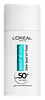
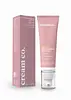
L'Oreal Bright Reveal Dark Spot UV Fluid SPF 50+ With Niacinamide Versus Cream Co. SPF 50+ Broad Spectrum Sunscreen
This chemical sunscreen covers the full UV range and blocks ~98% of UVB at SPF 50.
This hybrid sunscreen covers the full UV range and blocks ~98% of UVB at SPF 50.


What's inside
What's inside
 Key Ingredients
Benefits
Concerns
Ingredients Side-by-side
Water
Skin ConditioningAlcohol Denat.
Antimicrobial




Diisopropyl Sebacate
EmollientSilica
Abrasive


Isopropyl Myristate
Emollient


Ethylhexyl Salicylate
UV Absorber

Bis-Ethylhexyloxyphenol Methoxyphenyl Triazine
UV Absorber
Ethylhexyl Triazone
UV Absorber
Butyl Methoxydibenzoylmethane
UV Absorber
Glycerin
Humectant


Phenylbenzimidazole Sulfonic Acid
UV Absorber
Propanediol
Solvent
C12-22 Alkyl Acrylate/Hydroxyethylacrylate Copolymer
StabilisingTriethanolamine
BufferingNiacinamide
Smoothing







Drometrizole Trisiloxane
UV Absorber
Caprylic/Capric Triglyceride
Masking
Tocopherol
Antioxidant

Hydroxyacetophenone
Antioxidant
Sodium Hyaluronate
Humectant
Hydroxyethylcellulose
Emulsion StabilisingSodium Lactate
Buffering
Adenosine
Skin Conditioning
Trisodium Ethylenediamine Disuccinate
Silica Silylate
Emollient
Cellulose
Absorbent
Polysorbate 20
Emulsifying
Palmitoyl Tripeptide-1
Skin Conditioning
Palmitoyl Tetrapeptide-7
Skin Conditioning
Tromethamine
BufferingCapryloyl Salicylic Acid
Exfoliating
Caprylyl Glycol
Emollient
Acrylates/C10-30 Alkyl Acrylate Crosspolymer
Emulsion StabilisingCarbomer
Emulsion StabilisingButylene Glycol
Humectant
Parfum
Masking

Water, Alcohol Denat., Diisopropyl Sebacate, Silica, Isopropyl Myristate, Ethylhexyl Salicylate, Bis-Ethylhexyloxyphenol Methoxyphenyl Triazine, Ethylhexyl Triazone, Butyl Methoxydibenzoylmethane, Glycerin, Phenylbenzimidazole Sulfonic Acid, Propanediol, C12-22 Alkyl Acrylate/Hydroxyethylacrylate Copolymer, Triethanolamine, Niacinamide, Drometrizole Trisiloxane, Caprylic/Capric Triglyceride, Tocopherol, Hydroxyacetophenone, Sodium Hyaluronate, Hydroxyethylcellulose, Sodium Lactate, Adenosine, Trisodium Ethylenediamine Disuccinate, Silica Silylate, Cellulose, Polysorbate 20, Palmitoyl Tripeptide-1, Palmitoyl Tetrapeptide-7, Tromethamine, Capryloyl Salicylic Acid, Caprylyl Glycol, Acrylates/C10-30 Alkyl Acrylate Crosspolymer, Carbomer, Butylene Glycol, Parfum
Water
Skin ConditioningIsononyl Isononanoate
EmollientEthylhexyl Methoxycinnamate
UV Absorber
Cyclopentasiloxane
Emollient
Diethylamino Hydroxybenzoyl Hexyl Benzoate
UV Filter
Bis-Ethylhexyloxyphenol Methoxyphenyl Triazine
UV Absorber
Silica Dimethyl Silylate
EmollientZinc Oxide
Cosmetic Colorant
Methyl Methacrylate Crosspolymer-2
Dimethicone
Emollient
Polymethylsilsesquioxane
Potassium Cetyl Phosphate
EmulsifyingCaprylic/Capric Triglyceride
Masking
Dimethicone/Vinyl Dimethicone Crosspolymer
Skin Conditioning
Phenoxyethanol
Preservative
Sodium Chloride
MaskingScenedesmus Rubescens Extract
Skin ConditioningNiacinamide
Smoothing
Sodium Hyaluronate
Humectant
Tocopheryl Acetate
Antioxidant
Bisabolol
Antioxidant
Pentylene Glycol
Skin Conditioning
Solanum Virginianum Extract
Skin ConditioningCitric Acid
Buffering
Ethylhexylglycerin
Skin ConditioningWater, Isononyl Isononanoate, Ethylhexyl Methoxycinnamate, Cyclopentasiloxane, Diethylamino Hydroxybenzoyl Hexyl Benzoate, Bis-Ethylhexyloxyphenol Methoxyphenyl Triazine, Silica Dimethyl Silylate, Zinc Oxide, Methyl Methacrylate Crosspolymer-2, Dimethicone, Polymethylsilsesquioxane, Potassium Cetyl Phosphate, Caprylic/Capric Triglyceride, Dimethicone/Vinyl Dimethicone Crosspolymer, Phenoxyethanol, Sodium Chloride, Scenedesmus Rubescens Extract, Niacinamide, Sodium Hyaluronate, Tocopheryl Acetate, Bisabolol, Pentylene Glycol, Solanum Virginianum Extract, Citric Acid, Ethylhexylglycerin
Reviews
Ingredients Explained
These ingredients are found in both products.
Ingredients higher up in an ingredient list are typically present in a larger amount.
This ingredient is better known as bemotrizinol or Tinosorb S and is one of the best broad-spectrum UV filters in modern sunscreen.
It works by absorbing UV light across a whole range (280-400 nm) with peaks around 310 nm (UVB) and 340-345 nm (UVA). This means it covers UVB plus the deeper UVA wavelengths that drive photoaging and pigmentation.
Another pro?
It's exceptionally photostable, barely degrades in sunlight, and acts as a "bodyguard" for less stable filters.
That's why you'll see it paired with avobenzone or octinoxate; this team up ensures they keep working through sun exposure.
Safety reviews have been reassuring across the board. This ingredient shows low absorption through the skin, rarely irritates, and lab studies found it doesn't act like a hormone in the body (a concern that's been raised about some older sunscreen filters).
On maximum concentrations:
In 2026, the US F.D.A finally added it as an OTC sunscreen ingredient at concentrations up to 6% for adults / children 6 months and older
Learn more about Bis-Ethylhexyloxyphenol Methoxyphenyl TriazineCaprylic/Capric Triglyceride (aka MCT Oil) is a lightweight emollient, solvent, and texture enhancer. It is considered a skin-softener by helping to prevent moisture loss.
Though it behaves like an oil, it is not technically one due to its chemical composition. One perk of this ingredient is that it is very stable, resistant to oxidation, and unlikely to go rancid.
In practice, that translates to a long shelf life and a consistently elegant skin feel.
While there is an assumption Caprylic Triglyceride can clog pores due to it being derived from coconut oil, there is no research supporting this. Just patch test if you have concerns.
Fractionated coconut oil and MCT Oil are both listed as Caprylic/Capric Triglyceride according to INCI. This is because INCI names are based on the ingredient’s final chemical composition and not its marketing name or source.
This ingredient is treated as the gold standard fungal acne safe oil. Even though it is coconut derived, the problematic lauric acid is stripped out.
This leaves just caprylic (C8) and capric (C10) acid. These chain lengths actually trend antifungal; a 2020 study found caprylic acid was enough to disrupt Malassezia furfur cell membrane, with a caprylic acid derivative damaging membrane structures at concentrations as low as 0.2%.
Learn more about Caprylic/Capric TriglycerideNiacinamide is a multitasking form of vitamin B3 that strengthens the skin barrier, reduces pores and dark spots, regulates oil, and improves signs of aging.
And the best part? It's gentle and well-tolerated by most skin types, including sensitive and reactive skin.
You might have heard of "niacin flush", or the reddening of skin that causes itchiness. Niacinamide has not been found to cause this.
In very rare cases, some individuals may not be able to tolerate niacinamide at all or experience an allergic reaction to it.
If you are experiencing flaking, irritation, and dryness with this ingredient, be sure to double check all your products as this ingredient can be found in all categories of skincare.
When incorporating niacinamide into your routine, look out for concentration amounts. Typically, 5% niacinamide provides benefits such as fading dark spots. However, if you have sensitive skin, it is better to begin with a smaller concentration.
When you apply niacinamide to your skin, your body converts it into nicotinamide adenine dinucleotide (NAD). NAD is an essential coenzyme that is already found in your cells as "fuel" and powers countless biological processes.
In your skin, NAD helps repair cell damage, produce new healthy cells, support collagen production, strengthen the skin barrier, and fight environmental stressors (like UV and pollution).
Our natural NAD levels start to decline with age, leading to slower skin repair, visible aging, and a weaker skin barrier. By providing your skin niacinamide, you're recharging your skin's NAD levels. This leads to stronger, healthier, and younger looking skin.
Another name for vitamin B3 is nicotinamide. This vitamin is water-soluble and our bodies don't store it. We obtain Vitamin B3 from either food or skincare. Meat, fish, wheat, yeast, and leafy greens contain vitamin B3.
The type of niacinamide used in skincare is synthetically created.
Learn more about NiacinamideSodium Hyaluronate is the salt form of hyaluronic acid. It is a long sugar chain that is naturally found in your skin, joints, and connective tissue that maintains hydration and elasticity.
In skincare, it works as a humectant. It pulls water from the environment and deeper layers of skin and binds it to the surface.
Interestingly, the size of the molecule affects its behavior:
Some clinical evidence links low molecular weight versions to improved wrinkle depth, elasticity, anti-inflammatory effects, and barrier repair.
Many serums use a blend of both weights so you can get surface hydration plus longer-lasting and deeper effects.
You'll typically see concentrations between 0.1-2% for this ingredient.
Learn more about Sodium HyaluronateWater. It's the most common cosmetic ingredient of all. You'll usually see it at the top of ingredient lists, meaning that it makes up the largest part of the product.
So why is it so popular? Water most often acts as a solvent - this means that it helps dissolve other ingredients into the formulation.
You'll also recognize water as that liquid we all need to stay alive. If you see this, drink a glass of water. Remember to stay hydrated!
Learn more about Water

