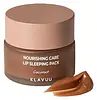
This hydrating lip mask is formulated around Ricinus Communis Seed Oil and Camellia Japonica Seed Oil to hydrate lips.
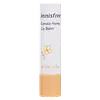
This lip moisturizer is formulated around Petrolatum to hydrate lips.

What's inside
What's inside
 Key Ingredients
Benefits
Concerns
Ingredients Side-by-side
Polybutene
Dipentaerythrityl Hexahydroxystearate/Hexastearate/Hexarosinate
Skin ConditioningDiisostearyl Malate
EmollientRicinus Communis Seed Oil
Masking




Octyldodecanol
Emollient
Methyl Hydrogenated Rosinate
Perfuming
Ceresin
Emulsion StabilisingSynthetic Wax
Abrasive

Pyrus Malus Seed Oil
Emollient
Camellia Japonica Seed Oil
Emollient
Copernicia Cerifera Wax
Calophyllum Inophyllum Seed Oil
Antimicrobial


Cocos Nucifera Oil
Masking


Persea Gratissima Oil
Skin Conditioning
Ananas Sativus Fruit Extract
Skin ConditioningCarica Papaya Fruit Extract
Skin ConditioningGarcinia Mangostana Peel Extract
Skin ConditioningMangifera Indica Fruit Extract
Skin ConditioningMorinda Citrifolia Extract
AstringentMusa Sapientum Fruit Extract
Skin ConditioningNephelium Lappaceum Branch/Fruit/Leaf Extract
Skin ConditioningPsidium Guajava Fruit Extract
AstringentHydrogenated Castor Oil
Emollient
Ethylene/Propylene Copolymer
Abrasive
Beeswax
Emulsion Stabilising
Disteardimonium Hectorite
StabilisingTocopherol
Antioxidant




Propylene Carbonate
SolventPolyglyceryl-2 Triisostearate
Emulsifying
Caprylic/Capric Triglyceride
Masking
Dehydroacetic Acid
Preservative
Parfum
Masking
CI 77492
Cosmetic ColorantCI 77491
Cosmetic ColorantCI 77499
Cosmetic ColorantPolybutene, Dipentaerythrityl Hexahydroxystearate/Hexastearate/Hexarosinate, Diisostearyl Malate, Ricinus Communis Seed Oil, Octyldodecanol, Methyl Hydrogenated Rosinate, Ceresin, Synthetic Wax, Pyrus Malus Seed Oil, Camellia Japonica Seed Oil, Copernicia Cerifera Wax, Calophyllum Inophyllum Seed Oil, Cocos Nucifera Oil, Persea Gratissima Oil, Ananas Sativus Fruit Extract, Carica Papaya Fruit Extract, Garcinia Mangostana Peel Extract, Mangifera Indica Fruit Extract, Morinda Citrifolia Extract, Musa Sapientum Fruit Extract, Nephelium Lappaceum Branch/Fruit/Leaf Extract, Psidium Guajava Fruit Extract, Hydrogenated Castor Oil, Ethylene/Propylene Copolymer, Beeswax, Disteardimonium Hectorite, Tocopherol, Propylene Carbonate, Polyglyceryl-2 Triisostearate, Caprylic/Capric Triglyceride, Dehydroacetic Acid, Parfum, CI 77492, CI 77491, CI 77499
Petrolatum
Emollient
Polyglyceryl-2 Triisostearate
Emulsifying
Diisostearyl Malate
EmollientParaffinum Liquidum
Emollient
Jojoba Esters
Emollient
Hydrogenated Polyisobutene
EmollientPolyethylene
Abrasive
Meadowfoam Delta-Lactone
Skin ConditioningPhytosteryl Hydroxystearate
Skin ConditioningHydrogenated Coco-Glycerides
Emollient
Euphorbia Cerifera Wax
Microcrystalline Wax
Emulsion StabilisingMangifera Indica Seed Butter
Skin Conditioning
Ceresin
Emulsion StabilisingPrunus Amygdalus Dulcis Oil
Skin Conditioning
Trihydroxystearin
Skin Conditioning
Phenoxyethanol
Preservative
Caprylyl Glycol
Emollient
Parfum
Masking
Glyceryl Caprylate
EmollientTocopheryl Acetate
Antioxidant
CI 19140
Cosmetic ColorantCI 15985
Cosmetic ColorantTocopherol
Antioxidant
Tbhq
Antioxidant
Water
Skin ConditioningBrassica Campestris Seed Oil
Skin Conditioning
Glycerin
Humectant
Butylene Glycol
Humectant
Camellia Sinensis Leaf Extract
Antimicrobial

Camellia Japonica Leaf Extract
Skin ConditioningOrchid Extract
Skin ConditioningOpuntia Coccinellifera Fruit Extract
Skin ConditioningCitrus Unshiu Peel Extract
MaskingHoney Extract
Humectant
Ethylhexylglycerin
Skin ConditioningPetrolatum, Polyglyceryl-2 Triisostearate, Diisostearyl Malate, Paraffinum Liquidum, Jojoba Esters, Hydrogenated Polyisobutene, Polyethylene, Meadowfoam Delta-Lactone, Phytosteryl Hydroxystearate, Hydrogenated Coco-Glycerides, Euphorbia Cerifera Wax, Microcrystalline Wax, Mangifera Indica Seed Butter, Ceresin, Prunus Amygdalus Dulcis Oil, Trihydroxystearin, Phenoxyethanol, Caprylyl Glycol, Parfum, Glyceryl Caprylate, Tocopheryl Acetate, CI 19140, CI 15985, Tocopherol, Tbhq, Water, Brassica Campestris Seed Oil, Glycerin, Butylene Glycol, Camellia Sinensis Leaf Extract, Camellia Japonica Leaf Extract, Orchid Extract, Opuntia Coccinellifera Fruit Extract, Citrus Unshiu Peel Extract, Honey Extract, Ethylhexylglycerin
Reviews
Ingredients Explained
These ingredients are found in both products.
Ingredients higher up in an ingredient list are typically present in a larger amount.
Ceresin is a wax derived from ozokerite. It is an alternative to beeswax.
The most common process of creating ceresin is by using heat and sulfuric acid.
Diisostearyl Malate is an emollient and most often used in lip products. It comes from isostearyl alcohol, a fatty acid, and malic acid, an AHA.
As an emollient, Diisostearyl Malate helps create a thin film on your skin to trap moisture in. This helps keep your skin soft and smooth.
Parfum is a catch-all term for an ingredient or more that is used to give a scent to products.
Also called "fragrance", this ingredient can be a blend of hundreds of chemicals or plant oils. This means every product with "fragrance" or "parfum" in the ingredients list is a different mixture.
For instance, Habanolide is a proprietary trade name for a specific aroma chemical. When used as a fragrance ingredient in cosmetics, most aroma chemicals fall under the broad labeling category of “FRAGRANCE” or “PARFUM” according to EU and US regulations.
The term 'parfum' or 'fragrance' is not regulated in many countries. In many cases, it is up to the brand to define this term.
For instance, many brands choose to label themselves as "fragrance-free" because they are not using synthetic fragrances. However, their products may still contain ingredients such as essential oils that are considered a fragrance by INCI standards.
One example is Calendula flower extract. Calendula is an essential oil that still imparts a scent or 'fragrance'.
Depending on the blend, the ingredients in the mixture can cause allergies and sensitivities on the skin. Some ingredients that are known EU allergens include linalool and citronellol.
Parfum can also be used to mask or cover an unpleasant scent.
The bottom line is: not all fragrances/parfum/ingredients are created equally. If you are worried about fragrances, we recommend taking a closer look at an ingredient. And of course, we always recommend speaking with a professional.
Learn more about ParfumPolyglyceryl-2 Triisostearate is a plant-derived emulsifier and pigment-dispersing agent with a non-sticky skin feel.
It helps products glide on smoothly and prevents oil and water from separating in a formula, making it suitable for sunscreen and makeup formulations.
The EU inventory of cosmetics has no use restrictions on this ingredient and it is considered well-tolerated.
This ingredient may not be fungal acne safe because it is derived from isostearic acid.
Learn more about Polyglyceryl-2 TriisostearateTocopherol is a fat-soluble antioxidant known as Vitamin E.
You'll find this ingredient in the vast majority of skincare (for good reason). It works to neutralize free radicals, or unstable molecules generated by UV exposure, pollution, and other environmental stressors, before they can cause oxidative damage to your skin cells.
Topically applied tocopherol has been shown to protect against UV damage by ramping up the skin's own natural defense enzymes.
It also acts as a skin conditioning agent; some studies show that regular topical use can improve the skin's water-binding capacity over 2-4 weeks.
This ingredient is especially loved for being a team player. When combined with Vitamin C, the photoprotective effect of both ingredients roughly doubles and the combo also helps reduce UV-induced DNA damage.
This ingredient has some brightening potential but it's more of a prevention ingredient than spot-fader. Cell studies show it can slow down melanin production but it's worth noting that it's not the most powerful brightener out there.
In formulations, it also serves as a stabilizer that helps protect other oxidation-prone ingredients from degrading.
Concentrations usually range from 0.1-1% in most leave-on products.
Learn more about Tocopherol

