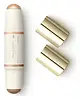
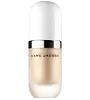
KIKO Milano Gold Reflections Sculpt & Highlight Face Stick Versus Marc Jacobs Beauty Dew Drops Coconut Gel Highlighter

What's inside
What's inside
 Key Ingredients
Benefits
Concerns
Ingredients Side-by-side
Hydrogenated Polyisobutene
EmollientMica
Cosmetic ColorantEthylhexyl Palmitate
Emollient




Synthetic Wax
Abrasive
Synthetic Fluorphlogopite
Soybean Glycerides
EmollientSilica
Abrasive

Dimethicone
Emollient

Trimethylsiloxysilicate
Emollient
Butyrospermum Parkii Butter Unsaponifiables
Skin Conditioning
Tocopherol
Antioxidant






Tin Oxide
Abrasive
Jasminum Officinale Flower Wax
EmollientRosa Moschata Seed Oil
Emollient
Ascorbyl Palmitate
Antioxidant
Parfum
Masking


CI 77891
Cosmetic ColorantCI 77491
Cosmetic ColorantOctyldodecanol
Emollient
Squalane
Emollient
Cellulose
Absorbent
Coco-Caprylate/Caprate
Emollient
Lauroyl Lysine
Skin Conditioning
Tribehenin
Emollient
Hydrogenated Ethylhexyl Olivate
EmollientJojoba Esters
Emollient
Caprylic/Capric Triglyceride
Masking
Bis-Behenyl/Isostearyl/Phytosteryl Dimer Dilinoleyl Dimer Dilinoleate
EmollientHydrogenated Castor Oil
Emollient
Butyrospermum Parkii Butter
Skin Conditioning
Dipalmitoyl Hydroxyproline
Skin Conditioning
Polyhydroxystearic Acid
Emulsifying
Limnanthes Alba Seed Oil
Skin Conditioning
Stearalkonium Hectorite
Gel FormingSodium Hyaluronate
Humectant
Propylene Carbonate
SolventKaolin
Abrasive
Vanillin
Masking
CI 77007
Cosmetic ColorantCI 77492
Cosmetic ColorantHydrogenated Polyisobutene, Mica, Ethylhexyl Palmitate, Synthetic Wax, Synthetic Fluorphlogopite, Soybean Glycerides, Silica, Dimethicone, Trimethylsiloxysilicate, Butyrospermum Parkii Butter Unsaponifiables, Tocopherol, Tin Oxide, Jasminum Officinale Flower Wax, Rosa Moschata Seed Oil, Ascorbyl Palmitate, Parfum, CI 77891, CI 77491, Octyldodecanol, Squalane, Cellulose, Coco-Caprylate/Caprate, Lauroyl Lysine, Tribehenin, Hydrogenated Ethylhexyl Olivate, Jojoba Esters, Caprylic/Capric Triglyceride, Bis-Behenyl/Isostearyl/Phytosteryl Dimer Dilinoleyl Dimer Dilinoleate, Hydrogenated Castor Oil, Butyrospermum Parkii Butter, Dipalmitoyl Hydroxyproline, Polyhydroxystearic Acid, Limnanthes Alba Seed Oil, Stearalkonium Hectorite, Sodium Hyaluronate, Propylene Carbonate, Kaolin, Vanillin, CI 77007, CI 77492
Water
Skin ConditioningMica
Cosmetic ColorantPentaerythrityl Tetraethylhexanoate
Emollient
Glycerin
Humectant
Tromethamine
BufferingParfum
Masking
Lecithin
Emollient
Carbomer
Emulsion StabilisingPolysorbate 20
Emulsifying
Dimethicone
Emollient
Phenoxyethanol
Preservative
Hydrogenated Polyisobutene
EmollientPolyglyceryl-3 Diisostearate
Emulsifying
Caprylyl Glycol
Emollient
Potassium Sorbate
Preservative
Dimethiconol
Emollient
Simethicone
Emollient
Hexylene Glycol
EmulsifyingTocopheryl Acetate
Antioxidant
Disodium EDTA
ChelatingTocopherol
Antioxidant
Magnesium Ascorbyl Phosphate
Antioxidant
Polymethyl Methacrylate
Ethylhexyl Palmitate
Emollient
Diisostearyl Malate
EmollientButylene Glycol
Humectant
Cocos Nucifera Water
Masking
Calcium Sodium Borosilicate
Synthetic Fluorphlogopite
Calcium Aluminum Borosilicate
Panthenol
Skin Conditioning
Withania Somnifera Root Extract
Skin Conditioning
Silica
Abrasive
Isostearyl Alcohol
Emollient
Malic Acid
Buffering
Palmitic Acid
Emollient
Tin Oxide
Abrasive
Coumarin
Perfuming
Linalool
Perfuming
CI 77891
Cosmetic ColorantCI 77491
Cosmetic ColorantCI 75470
Cosmetic ColorantWater, Mica, Pentaerythrityl Tetraethylhexanoate, Glycerin, Tromethamine, Parfum, Lecithin, Carbomer, Polysorbate 20, Dimethicone, Phenoxyethanol, Hydrogenated Polyisobutene, Polyglyceryl-3 Diisostearate, Caprylyl Glycol, Potassium Sorbate, Dimethiconol, Simethicone, Hexylene Glycol, Tocopheryl Acetate, Disodium EDTA, Tocopherol, Magnesium Ascorbyl Phosphate, Polymethyl Methacrylate, Ethylhexyl Palmitate, Diisostearyl Malate, Butylene Glycol, Cocos Nucifera Water, Calcium Sodium Borosilicate, Synthetic Fluorphlogopite, Calcium Aluminum Borosilicate, Panthenol, Withania Somnifera Root Extract, Silica, Isostearyl Alcohol, Malic Acid, Palmitic Acid, Tin Oxide, Coumarin, Linalool, CI 77891, CI 77491, CI 75470
Ingredients Explained
These ingredients are found in both products.
Ingredients higher up in an ingredient list are typically present in a larger amount.
Ci 77491 is also hydrated iron III oxide. It's sole purpose is to give a red/pink hue to products.
Iron III oxides are classified as inorganic chemicals for coloring.
Synthetically created Ci 77491 is considered safer than those naturally found. This is because the synthetically created version may contain less impurities. Iron oxides are generally non-toxic and non-allergenic.
Learn more about CI 77491Ci 77891 is a white pigment from Titanium dioxide. It is naturally found in minerals such as rutile and ilmenite.
It's main function is to add a white color to cosmetics. It can also be mixed with other colors to create different shades.
Ci 77891 is commonly found in sunscreens due to its ability to block UV rays.
Learn more about CI 77891Dimethicone is a type of synthetic silicone created from natural materials such as quartz. It is also known as polydimethylsiloxane.
What it does:
Dimethicone comes in different viscosities:
Depending on the viscosity, dimethicone has different properties.
Ingredients lists don't always show which type is used, so we recommend reaching out to the brand if you have questions about the viscosity.
This ingredient is unlikely to cause irritation because it does not get absorbed into skin. However, people with silicone allergies should be careful about using this ingredient.
Note: Dimethicone may contribute to pilling. This is because it is not oil or water soluble, so pilling may occur when layered with products. When mixed with heavy oils in a formula, the outcome is also quite greasy.
Learn more about DimethiconeEthylhexyl Palmitate, also known as octyl palmitate, is created from 2-ethylhexyl alcohol and palmitic acid.
In cosmetics, it plays many roles:
One thing worth noting: a controlled study found this ingredient applied under occlusion to acne-prone subjects increased microcomedones. Just keep in mind this was under occlusive conditions and don't reflect how most products are used day-to-day.
For most people, this is a well-tolerated and lightweight ingredient.
This ingredient may not be fungal acne safe because it is an ester of palmitic acid, a C16 fatty acid that falls within the C11-24 range that Malassezia can metabolize.
You'll see this one rated 4 comedogenic all over the internet. That number isn't from a single study, and the actual research is more interesting.
The original rating comes from 1980s rabbit ear tests (which are a shaky basis for anything). But Ethylhexyl Palmitate is one of the few ingredients with real human data behind it. A 2021 controlled trial found this ingredient increased microcomedones by an average of 365% over four weeks.
Just know that test used the pure ingredient under an occlusive pad on back skin; most products use it at much lower levels alongside other ingredients and plenty of people use those with no issue.
Learn more about Ethylhexyl PalmitateHydrogenated Polyisobutene is a synthetic polymer. Polymers are compounds with high molecular weight. Hydrogenated Polyisobutene is an emollient and texture enhancer.
In one study, Hydrogenated Polyisobutene showed better skin hydration levels than Caprylic/Capric Triglyceride. As an emollient, it helps keep your skin soft and hydrated by trapping moisture in.
Hydrogenated Polyisobutene is often used as a mineral oil replacement.
Learn more about Hydrogenated PolyisobuteneMica is a naturally occurring mineral used to add shimmer and color in cosmetics. It can also help improve the texture of a product or give it an opaque, white/silver color.
Serecite is the name for very fine but ragged grains of mica.
This ingredient is often coated with metal oxides like titanium dioxide. Trace amounts of heavy metals may be found in mica, but these metals are not harmful in our personal products.
Mica has been used since prehistoric times throughout the world. Ancient Egyptian, Indian, Greek, Roman, Aztec, and Chinese civilizations have used mica.
Learn more about MicaParfum is a catch-all term for an ingredient or more that is used to give a scent to products.
Also called "fragrance", this ingredient can be a blend of hundreds of chemicals or plant oils. This means every product with "fragrance" or "parfum" in the ingredients list is a different mixture.
For instance, Habanolide is a proprietary trade name for a specific aroma chemical. When used as a fragrance ingredient in cosmetics, most aroma chemicals fall under the broad labeling category of “FRAGRANCE” or “PARFUM” according to EU and US regulations.
The term 'parfum' or 'fragrance' is not regulated in many countries. In many cases, it is up to the brand to define this term.
For instance, many brands choose to label themselves as "fragrance-free" because they are not using synthetic fragrances. However, their products may still contain ingredients such as essential oils that are considered a fragrance by INCI standards.
One example is Calendula flower extract. Calendula is an essential oil that still imparts a scent or 'fragrance'.
Depending on the blend, the ingredients in the mixture can cause allergies and sensitivities on the skin. Some ingredients that are known EU allergens include linalool and citronellol.
Parfum can also be used to mask or cover an unpleasant scent.
The bottom line is: not all fragrances/parfum/ingredients are created equally. If you are worried about fragrances, we recommend taking a closer look at an ingredient. And of course, we always recommend speaking with a professional.
Learn more about ParfumSilica, also known as silicon dioxide, is a naturally occurring mineral. It is used as a fine, spherical, and porous powder in cosmetics.
Though it has exfoliant properties, the function of silica varies depending on the product.
The unique structure of silica enhances the spreadability and adds smoothness, making it a great texture enhancer.
It is also used as an active carrier, emulsifier, and mattifier due to its ability to absorb excess oil.
In some products, tiny microneedles called spicules are made from silica or hydrolyzed sponge. When you rub them in, they lightly polish away dead skin layers and enhance the penetration of active ingredients.
Learn more about SilicaSynthetic Fluorphlogopite is the synthethic version of mica. It consists of fluorine, aluminum and silicate.
Synthetic Fluorphlogopite is used to add volume to products.
It is considered non-irritating on the skin.
Learn more about Synthetic FluorphlogopiteTin Oxide is an inorganic oxide used to add opacity and volume to a product. In nature, it is already found in mineral form. The main ore of tin is an opaque and shiny mineral called casseterite.
Tin Oxide helps remove translucency in a product, or make it more opaque. Besides adding opacity, tin oxide is used for bulking to add volume.
Tocopherol is a fat-soluble antioxidant known as Vitamin E.
You'll find this ingredient in the vast majority of skincare (for good reason). It works to neutralize free radicals, or unstable molecules generated by UV exposure, pollution, and other environmental stressors, before they can cause oxidative damage to your skin cells.
Topically applied tocopherol has been shown to protect against UV damage by ramping up the skin's own natural defense enzymes.
It also acts as a skin conditioning agent; some studies show that regular topical use can improve the skin's water-binding capacity over 2-4 weeks.
This ingredient is especially loved for being a team player. When combined with Vitamin C, the photoprotective effect of both ingredients roughly doubles and the combo also helps reduce UV-induced DNA damage.
This ingredient has some brightening potential but it's more of a prevention ingredient than spot-fader. Cell studies show it can slow down melanin production but it's worth noting that it's not the most powerful brightener out there.
In formulations, it also serves as a stabilizer that helps protect other oxidation-prone ingredients from degrading.
Concentrations usually range from 0.1-1% in most leave-on products.
Learn more about Tocopherol

