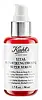
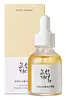
Kiehl's Vital Skin-Strengthening Hyaluronic Acid Super Serum Versus Beauty of Joseon Glow Serum: Propolis + Niacinamide
This hydrating serum is formulated around Schisandra Chinensis Fruit Extract and Panax Ginseng Root Extract to hydrate skin.
This acne serum is formulated around Propolis Extract and Niacinamide to clear breakouts and brighten dull-looking skin.


What's inside
What's inside
 Key Ingredients
Benefits
Concerns
Ingredients Side-by-side
Water
Skin ConditioningDimethicone
Emollient

Glycerin
Humectant

Alcohol Denat.
Antimicrobial




Hamamelis Virginiana Water
Astringent
Propanediol
Solvent
Phenoxyethanol
Preservative
Tocopherol
Antioxidant





Ammonium Polyacryloyldimethyl Taurate
Emulsion StabilisingSchisandra Chinensis Fruit Extract
Skin Conditioning
Capryloyl Salicylic Acid
Exfoliating



Caprylyl Glycol
Emollient
Xanthan Gum
EmulsifyingPEG-60 Hydrogenated Castor Oil
Emulsifying

Panax Ginseng Root Extract
Emollient
Sodium Acetylated Hyaluronate
Humectant
PEG-20 Methyl Glucose Sesquistearate
Emulsifying
Disodium EDTA
ChelatingOcimum Sanctum Leaf Extract
Skin ConditioningCitrus Aurantium Dulcis Peel Oil
Masking
Limonene
Perfuming
Adenosine
Skin Conditioning
Sodium Hydroxide
BufferingMethyldihydrojasmonate
MaskingCitric Acid
Buffering
Eugenol
Perfuming
Sodium Benzoate
Masking
Pelargonium Graveolens Flower Oil
Masking
Citral
Perfuming
Potassium Sorbate
Preservative
Lavandula Angustifolia Oil
Masking
Cymbopogon Schoenanthus Oil
Masking
Citronellol
Perfuming
Linalool
Perfuming
Geraniol
Perfuming
Rosmarinus Officinalis Leaf Oil
Masking
Water, Dimethicone, Glycerin, Alcohol Denat., Hamamelis Virginiana Water, Propanediol, Phenoxyethanol, Tocopherol, Ammonium Polyacryloyldimethyl Taurate, Schisandra Chinensis Fruit Extract, Capryloyl Salicylic Acid, Caprylyl Glycol, Xanthan Gum, PEG-60 Hydrogenated Castor Oil, Panax Ginseng Root Extract, Sodium Acetylated Hyaluronate, PEG-20 Methyl Glucose Sesquistearate, Disodium EDTA, Ocimum Sanctum Leaf Extract, Citrus Aurantium Dulcis Peel Oil, Limonene, Adenosine, Sodium Hydroxide, Methyldihydrojasmonate, Citric Acid, Eugenol, Sodium Benzoate, Pelargonium Graveolens Flower Oil, Citral, Potassium Sorbate, Lavandula Angustifolia Oil, Cymbopogon Schoenanthus Oil, Citronellol, Linalool, Geraniol, Rosmarinus Officinalis Leaf Oil
Propolis Extract
Skin Conditioning
Dipropylene Glycol
HumectantGlycerin
Humectant
Butylene Glycol
Humectant
Water
Skin ConditioningNiacinamide
Smoothing

1,2-Hexanediol
Skin Conditioning
Melia Azadirachta Flower Extract
Skin ConditioningMelia Azadirachta Leaf Extract
Skin ConditioningSodium Hyaluronate
Humectant
Curcuma Longa Root Extract
Antioxidant
Ocimum Sanctum Leaf Extract
Skin ConditioningTheobroma Cacao Seed Extract
Antioxidant
Melaleuca Alternifolia Leaf Extract
Perfuming
Centella Asiatica Extract
Cleansing
Corallina Officinalis Extract
Skin Conditioning
Lotus Corniculatus Seed Extract
Skin ConditioningCalophyllum Inophyllum Seed Oil
Antimicrobial
Betaine Salicylate
Antimicrobial
Sodium Polyacryloyldimethyl Taurate
Emulsion StabilisingTromethamine
BufferingPolyglyceryl-10 Laurate
Skin Conditioning
Caprylyl Glycol
Emollient
Ethylhexylglycerin
Skin ConditioningDextrin
AbsorbentPentylene Glycol
Skin Conditioning
Octanediol
Tocopherol
Antioxidant
Xanthan Gum
EmulsifyingCarbomer
Emulsion StabilisingPropolis Extract, Dipropylene Glycol, Glycerin, Butylene Glycol, Water, Niacinamide, 1,2-Hexanediol, Melia Azadirachta Flower Extract, Melia Azadirachta Leaf Extract, Sodium Hyaluronate, Curcuma Longa Root Extract, Ocimum Sanctum Leaf Extract, Theobroma Cacao Seed Extract, Melaleuca Alternifolia Leaf Extract, Centella Asiatica Extract, Corallina Officinalis Extract, Lotus Corniculatus Seed Extract, Calophyllum Inophyllum Seed Oil, Betaine Salicylate, Sodium Polyacryloyldimethyl Taurate, Tromethamine, Polyglyceryl-10 Laurate, Caprylyl Glycol, Ethylhexylglycerin, Dextrin, Pentylene Glycol, Octanediol, Tocopherol, Xanthan Gum, Carbomer
Reviews
Ingredients Explained
These ingredients are found in both products.
Ingredients higher up in an ingredient list are typically present in a larger amount.
Caprylyl Glycol is a humectant, skin conditioner, emollient, and preservative booster derived from either caprylic acid or synthetically created.
Typical use levels vary from 0.3-1% as a preservative booster and go up to 2% to condition skin.
Because it is not a free-fatty acid, this ingredient is fungal acne safe (there's nothing for Malassezia to feed on).
Learn more about Caprylyl GlycolGlycerin (or glycerol) is a compound naturally found in your skin. It's a powerhouse humectant that pulls water into the stratum corneum.
Topically, glycerin does several things at once:
Your skin makes glycerin on its own (mostly from sebaceous oil breakdown) and shuttles it to your outermost layer of skin, or your epidermis, via aquaporin-3.
Aquaporin-3 is a transporter that is essential for normal skin hydration, elasticity, and repair. Interestingly, mice lacking in AQP3 have dry and less elastic skin that can be fully corrected with glycerin.
This ingredient is non-irritating, plays well with almost every ingredient, and works across all skin types. Typical use is anywhere between 3-10% but can go up to 79% in some leave-on products.
Just know very high concentrations (>40%) can feel tacky in low humidity.
Glycerin is the name for this ingredient in American English. British English uses Glycerol/Glycerine.
Learn more about GlycerinOcimum Sanctum Leaf Extract comes from the Holy Basil plant. Holy Basil is native to India.
Holy Basil is rich in antioxidants due to its high romarinic acid, ferulic acid, and rutin content. This gives it skin brightening and soothing properties.
While Holy Basil has many claims to help fight acne, more research is needed.
One thing to note is the presence of tannins; tannins are naturally found in nature. However, this compound may be skin-sensitizing.
Learn more about Ocimum Sanctum Leaf ExtractTocopherol is a fat-soluble antioxidant known as Vitamin E.
You'll find this ingredient in the vast majority of skincare (for good reason). It works to neutralize free radicals, or unstable molecules generated by UV exposure, pollution, and other environmental stressors, before they can cause oxidative damage to your skin cells.
Topically applied tocopherol has been shown to protect against UV damage by ramping up the skin's own natural defense enzymes.
It also acts as a skin conditioning agent; some studies show that regular topical use can improve the skin's water-binding capacity over 2-4 weeks.
This ingredient is especially loved for being a team player. When combined with Vitamin C, the photoprotective effect of both ingredients roughly doubles and the combo also helps reduce UV-induced DNA damage.
This ingredient has some brightening potential but it's more of a prevention ingredient than spot-fader. Cell studies show it can slow down melanin production but it's worth noting that it's not the most powerful brightener out there.
In formulations, it also serves as a stabilizer that helps protect other oxidation-prone ingredients from degrading.
Concentrations usually range from 0.1-1% in most leave-on products.
Learn more about TocopherolWater. It's the most common cosmetic ingredient of all. You'll usually see it at the top of ingredient lists, meaning that it makes up the largest part of the product.
So why is it so popular? Water most often acts as a solvent - this means that it helps dissolve other ingredients into the formulation.
You'll also recognize water as that liquid we all need to stay alive. If you see this, drink a glass of water. Remember to stay hydrated!
Learn more about WaterXanthan gum is used as a stabilizer and thickener within cosmetic products. It helps give products a sticky, thick feeling - preventing them from being too runny.
On the technical side of things, xanthan gum is a polysaccharide - a combination consisting of multiple sugar molecules bonded together.
Xanthan gum is a pretty common and great ingredient. It is a natural, non-toxic, non-irritating ingredient that is also commonly used in food products.
Learn more about Xanthan Gum

