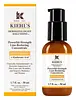
This anti-aging serum is formulated around Ascorbic Acid and Ascorbyl Glucoside to soften the look of wrinkles and brighten dull-looking skin.
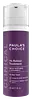
This anti-aging treatment is formulated around Retinol and Tetrahexyldecyl Ascorbate to soften the look of wrinkles and refine skin texture.

What's inside
What's inside
 Key Ingredients
Benefits
Concerns
Ingredients Side-by-side
Propylene Glycol
Humectant


Dimethicone
Emollient

Glycerin
Humectant
Ascorbic Acid
Antioxidant





Ethylhexyl Palmitate
Emollient


Cetyl PEG/PPG-10/1 Dimethicone
Emulsifying
Dimethicone Crosspolymer
Emulsion Stabilising
Ascorbyl Glucoside
Antioxidant
Cyclohexasiloxane
Emollient
Hydroxyethylpiperazine Ethane Sulfonic Acid
BufferingLauroyl Lysine
Skin Conditioning
Acrylonitrile/Methyl Methacrylate/Vinylidene Chloride Copolymer
Polysilicone-11
Adenosine
Skin Conditioning
Hydrolyzed Hyaluronic Acid
Humectant
Limonene
Perfuming


Isobutane
Citrus Aurantium Dulcis Peel Oil
Masking
Citrus Limon Peel Oil
Masking

Citral
Perfuming
Pentaerythrityl Tetra-Di-T-Butyl Hydroxyhydrocinnamate
Antioxidant
Propylene Glycol, Dimethicone, Glycerin, Ascorbic Acid, Ethylhexyl Palmitate, Cetyl PEG/PPG-10/1 Dimethicone, Dimethicone Crosspolymer, Ascorbyl Glucoside, Cyclohexasiloxane, Hydroxyethylpiperazine Ethane Sulfonic Acid, Lauroyl Lysine, Acrylonitrile/Methyl Methacrylate/Vinylidene Chloride Copolymer, Polysilicone-11, Adenosine, Hydrolyzed Hyaluronic Acid, Limonene, Isobutane, Citrus Aurantium Dulcis Peel Oil, Citrus Limon Peel Oil, Citral, Pentaerythrityl Tetra-Di-T-Butyl Hydroxyhydrocinnamate
Water
Skin ConditioningDimethicone
Emollient
Glycerin
Humectant
Butylene Glycol
Humectant
Isononyl Isononanoate
EmollientCastor Isostearate Succinate
Skin Conditioning
Glyceryl Stearate
Emollient
C12-15 Alkyl Benzoate
AntimicrobialDimethicone Crosspolymer
Emulsion Stabilising
PEG-33
HumectantPolysorbate 20
Emulsifying
Behenyl Alcohol
Emollient
PEG-100 Stearate
Surfactant
Pentaerythrityl Tetraisostearate
Emollient
Polymethylsilsesquioxane
Tetrahexyldecyl Ascorbate
Antioxidant

Retinol
Skin Conditioning

Ceramide Ng
Skin Conditioning
Palmitoyl Tetrapeptide-7
Skin Conditioning
Palmitoyl Hexapeptide-12
Skin Conditioning
Sodium Hyaluronate
Humectant
Dipotassium Glycyrrhizate
Humectant
Glycyrrhiza Glabra Root Extract
Bleaching
Avena Sativa Kernel Extract
Abrasive
Arctium Lappa Seed Oil
Emollient
Salix Alba Extract
Skin ConditioningGlycine Soja Sterols
Emollient
Lecithin
Emollient
Allantoin
Skin Conditioning
Tocopheryl Acetate
Antioxidant
Hydrolyzed Soy Protein
Humectant
Sorbitan Laurate
Emulsifying
Acetyl Dipeptide-1 Cetyl Ester
Skin Conditioning
Disodium EDTA
ChelatingHydroxyethylcellulose
Emulsion StabilisingPalmitoyl Tripeptide-1
Skin Conditioning
Sodium Hydroxide
BufferingTribehenin
Emollient
Caprylyl Glycol
Emollient
Ethylhexylglycerin
Skin ConditioningPentylene Glycol
Skin Conditioning
PEG-75 Shea Butter Glycerides
Emulsifying
PPG-12/Smdi Copolymer
EmollientPEG-10 Phytosterol
EmulsifyingPEG-8 Dimethicone
Emulsifying
PEG-14
HumectantMagnesium Aluminum Silicate
Absorbent
Arachidyl Glucoside
EmulsifyingArachidyl Alcohol
Emollient
Sclerotium Gum
Emulsion StabilisingCarbomer
Emulsion StabilisingPhenoxyethanol
Preservative
Benzoic Acid
Masking
Water, Dimethicone, Glycerin, Butylene Glycol, Isononyl Isononanoate, Castor Isostearate Succinate, Glyceryl Stearate, C12-15 Alkyl Benzoate, Dimethicone Crosspolymer, PEG-33, Polysorbate 20, Behenyl Alcohol, PEG-100 Stearate, Pentaerythrityl Tetraisostearate, Polymethylsilsesquioxane, Tetrahexyldecyl Ascorbate, Retinol, Ceramide Ng, Palmitoyl Tetrapeptide-7, Palmitoyl Hexapeptide-12, Sodium Hyaluronate, Dipotassium Glycyrrhizate, Glycyrrhiza Glabra Root Extract, Avena Sativa Kernel Extract, Arctium Lappa Seed Oil, Salix Alba Extract, Glycine Soja Sterols, Lecithin, Allantoin, Tocopheryl Acetate, Hydrolyzed Soy Protein, Sorbitan Laurate, Acetyl Dipeptide-1 Cetyl Ester, Disodium EDTA, Hydroxyethylcellulose, Palmitoyl Tripeptide-1, Sodium Hydroxide, Tribehenin, Caprylyl Glycol, Ethylhexylglycerin, Pentylene Glycol, PEG-75 Shea Butter Glycerides, PPG-12/Smdi Copolymer, PEG-10 Phytosterol, PEG-8 Dimethicone, PEG-14, Magnesium Aluminum Silicate, Arachidyl Glucoside, Arachidyl Alcohol, Sclerotium Gum, Carbomer, Phenoxyethanol, Benzoic Acid
Reviews
Ingredients Explained
These ingredients are found in both products.
Ingredients higher up in an ingredient list are typically present in a larger amount.
Dimethicone is a type of synthetic silicone created from natural materials such as quartz. It is also known as polydimethylsiloxane.
What it does:
Dimethicone comes in different viscosities:
Depending on the viscosity, dimethicone has different properties.
Ingredients lists don't always show which type is used, so we recommend reaching out to the brand if you have questions about the viscosity.
This ingredient is unlikely to cause irritation because it does not get absorbed into skin. However, people with silicone allergies should be careful about using this ingredient.
Note: Dimethicone may contribute to pilling. This is because it is not oil or water soluble, so pilling may occur when layered with products. When mixed with heavy oils in a formula, the outcome is also quite greasy.
Learn more about DimethiconeDimethicone Crosspolymer is a silicone created by modifying dimethicone with hydrocarbon side chains. Due to its large size, it does not penetrate skin. It is considered non-occlusive.
Dimethicone Crosspolymer is used to stabilize and thicken products. It also helps give products a silky feel.
Glycerin (or glycerol) is a compound naturally found in your skin. It's a powerhouse humectant that pulls water into the stratum corneum.
Topically, glycerin does several things at once:
Your skin makes glycerin on its own (mostly from sebaceous oil breakdown) and shuttles it to your outermost layer of skin, or your epidermis, via aquaporin-3.
Aquaporin-3 is a transporter that is essential for normal skin hydration, elasticity, and repair. Interestingly, mice lacking in AQP3 have dry and less elastic skin that can be fully corrected with glycerin.
This ingredient is non-irritating, plays well with almost every ingredient, and works across all skin types. Typical use is anywhere between 3-10% but can go up to 79% in some leave-on products.
Just know very high concentrations (>40%) can feel tacky in low humidity.
Glycerin is the name for this ingredient in American English. British English uses Glycerol/Glycerine.
Learn more about Glycerin

