
What's inside
What's inside
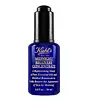 Key Ingredients
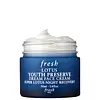
Benefits
Concerns
Ingredients Side-by-side
Caprylic/Capric Triglyceride
Masking
Dicaprylyl Carbonate
EmollientSqualane
Emollient
Rosa Canina Fruit Oil
Emollient


Oenothera Biennis Oil
Emollient

Simmondsia Chinensis Seed Oil
Emollient
Coriandrum Sativum Oil
Masking
Tocopherol
Antioxidant


Lavandula Angustifolia Oil
Masking


Pelargonium Graveolens Flower Oil
Masking
Linalool
Perfuming

Rosmarinus Officinalis Leaf Oil
Masking
Citronellol
Perfuming
Geraniol
Perfuming
Lavandula Hybrida Oil
Emollient
Cucumis Sativus Extract
Skin Conditioning
Curcuma Longa Root Extract
Masking
Limonene
Perfuming
Citral
Perfuming
Sclareolide
Masking
Rose Flower Oil
Masking
Jasminum Officinale Extract
Masking
Helianthus Annuus Seed Oil
Emollient
Caprylic/Capric Triglyceride, Dicaprylyl Carbonate, Squalane, Rosa Canina Fruit Oil, Oenothera Biennis Oil, Simmondsia Chinensis Seed Oil, Coriandrum Sativum Oil, Tocopherol, Lavandula Angustifolia Oil, Pelargonium Graveolens Flower Oil, Linalool, Rosmarinus Officinalis Leaf Oil, Citronellol, Geraniol, Lavandula Hybrida Oil, Cucumis Sativus Extract, Curcuma Longa Root Extract, Limonene, Citral, Sclareolide, Rose Flower Oil, Jasminum Officinale Extract, Helianthus Annuus Seed Oil
Water
Skin ConditioningGlycerin
Humectant
Isononyl Isononanoate
EmollientGlyceryl Stearate
Emollient
Caprylic/Capric Triglyceride
Masking
Butylene Glycol
Humectant
Pentylene Glycol
Skin ConditioningC10-18 Triglycerides
Emollient
Diglycerin
Humectant
Butyrospermum Parkii Butter
Skin Conditioning
PEG-100 Stearate
Myristyl Myristate
Emollient
Nelumbo Nucifera Extract
Skin ConditioningPrunus Persica Leaf Extract
Emollient
Citrus Limon Peel Oil
Masking
Cucumis Sativus Fruit Extract
Emollient
Nelumbo Nucifera Flower Extract
Skin ConditioningAnthemis Nobilis Flower Oil
Masking
Tocopheryl Acetate
Antioxidant
Tocopherol
Antioxidant
Behenyl Alcohol
Emollient
Ammonium Acryloyldimethyltaurate/Beheneth-25 Methacrylate Crosspolymer
Emulsion StabilisingCetearyl Alcohol
Emollient
Cetyl Palmitate
Emollient
Cocoglycerides
Emollient
Acrylates/C10-30 Alkyl Acrylate Crosspolymer
Emulsion StabilisingParfum
Masking
Sodium Hydroxide
BufferingT-Butyl Alcohol
Perfuming

Sodium Metabisulfite
Antioxidant
BHT
Antioxidant
Tetrasodium EDTA
Ethylhexylglycerin
Skin ConditioningPotassium Sorbate
Preservative
Sodium Benzoate
Masking
Phenoxyethanol
Preservative
Limonene
Perfuming
Benzyl Salicylate
Perfuming
Citral
Perfuming
Water, Glycerin, Isononyl Isononanoate, Glyceryl Stearate, Caprylic/Capric Triglyceride, Butylene Glycol, Pentylene Glycol, C10-18 Triglycerides, Diglycerin, Butyrospermum Parkii Butter, PEG-100 Stearate, Myristyl Myristate, Nelumbo Nucifera Extract, Prunus Persica Leaf Extract, Citrus Limon Peel Oil, Cucumis Sativus Fruit Extract, Nelumbo Nucifera Flower Extract, Anthemis Nobilis Flower Oil, Tocopheryl Acetate, Tocopherol, Behenyl Alcohol, Ammonium Acryloyldimethyltaurate/Beheneth-25 Methacrylate Crosspolymer, Cetearyl Alcohol, Cetyl Palmitate, Cocoglycerides, Acrylates/C10-30 Alkyl Acrylate Crosspolymer, Parfum, Sodium Hydroxide, T-Butyl Alcohol, Sodium Metabisulfite, BHT, Tetrasodium EDTA, Ethylhexylglycerin, Potassium Sorbate, Sodium Benzoate, Phenoxyethanol, Limonene, Benzyl Salicylate, Citral
Reviews
Ingredients Explained
These ingredients are found in both products.
Ingredients higher up in an ingredient list are typically present in a larger amount.
This ingredient is an emollient, solvent, and texture enhancer. It is considered a skin-softener by helping the skin prevent moisture loss.
It helps thicken a product's formula and makes it easier to spread by dissolving clumping compounds.
Caprylic Triglyceride is made by combining glycerin with coconut oil, forming a clear liquid.
While there is an assumption Caprylic Triglyceride can clog pores due to it being derived from coconut oil, there is no research supporting this.
Learn more about Caprylic/Capric TriglycerideCitral is a fragrance and used to add a lemon-like scent to products. It is both naturally found in plants and created synthetically. In plants, it is commonly occurring in lemon myrtle, lemongrass, lemon tea-tree, lemon verbena, and other citruses.
The EU mandates Citral be listed separately as a fragrance. It is a known allergen and may cause contact dermatitis. Citral can also used as a masking ingredient.
The term 'fragrance' is not regulated in many countries. In many cases, it is up to the brand to define this term. For instance, many brands choose to label themselves as "fragrance-free" because they are not using synthetic fragrances. However, their products may still contain ingredients such as essential oils that are considered a fragrance.
The term 'citral' is a collective term for two geometric isomers: geranial/Citral A and neral/Citral B.
Learn more about CitralLimonene is a fragrance that adds scent and taste to a formulation.
It's found in the peel oil of citrus fruits and other plants such as lavender and eucalyptus. The scent of limonene is generally described as "sweet citrus".
Limonene acts as an antioxidant, meaning it helps neutralize free radicals.
When exposed to air, oxidized limonene may sensitize the skin. Because of this, limonene is often avoided by people with sensitive skin.
The term 'fragrance' is not regulated in many countries. In many cases, it is up to the brand to define this term. For instance, many brands choose to label themselves as "fragrance-free" because they are not using synthetic fragrances. However, their products may still contain ingredients such as essential oils that are considered a fragrance.
Learn more about LimoneneTocopherol (also known as Vitamin E) is a common antioxidant used to help protect the skin from free-radicals and strengthen the skin barrier. It's also fat soluble - this means our skin is great at absorbing it.
Vitamin E also helps keep your natural skin lipids healthy. Your lipid skin barrier naturally consists of lipids, ceramides, and fatty acids. Vitamin E offers extra protection for your skin’s lipid barrier, keeping your skin healthy and nourished.
Another benefit is a bit of UV protection. Vitamin E helps reduce the damage caused by UVB rays. (It should not replace your sunscreen). Combining it with Vitamin C can decrease sunburned cells and hyperpigmentation after UV exposure.
You might have noticed Vitamin E + C often paired together. This is because it is great at stabilizing Vitamin C. Using the two together helps increase the effectiveness of both ingredients.
There are often claims that Vitamin E can reduce/prevent scarring, but these claims haven't been confirmed by scientific research.
Learn more about Tocopherol
