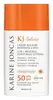
This mineral sunscreen covers the full UV range and blocks ~98% of UVB at SPF 50.
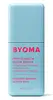
This hydrating serum is formulated around Dioscorea Japonica Root Extract and Polyglutamic Acid to hydrate skin and strengthen the skin barrier.


What's inside
What's inside
 Key Ingredients
Benefits
Concerns
Ingredients Side-by-side
Zinc Oxide 24.15%
Cosmetic Colorant


Dicaprylyl Carbonate
EmollientWater
Skin ConditioningCaprylic/Capric Triglyceride
Masking


Propanediol
Solvent
Squalane
Emollient
Polyglyceryl-4 Diisostearate/Polyhydroxystearate/Sebacate
Emulsifying

Polyhydroxystearic Acid
Emulsifying
Simmondsia Chinensis Seed Oil
Emollient

Sodium Hyaluronate
Humectant

Caesalpinia Spinosa Fruit Pod Extract
Helianthus Annuus Sprout Extract
Skin ConditioningMaltodextrin
Absorbent
Lecithin
Emollient
Isostearic Acid
Cleansing

Silica
Abrasive

Polyglyceryl-3 Polyricinoleate
Emulsifying
Titanium Dioxide
Cosmetic Colorant
Tocopherol
Antioxidant



Sodium Potassium Aluminum Silicate
Sodium Chloride
MaskingSodium Hydroxide
BufferingPhenoxyethanol
Preservative
Ethylhexylglycerin
Skin ConditioningZinc Oxide 24.15%, Dicaprylyl Carbonate, Water, Caprylic/Capric Triglyceride, Propanediol, Squalane, Polyglyceryl-4 Diisostearate/Polyhydroxystearate/Sebacate, Polyhydroxystearic Acid, Simmondsia Chinensis Seed Oil, Sodium Hyaluronate, Caesalpinia Spinosa Fruit Pod Extract, Helianthus Annuus Sprout Extract, Maltodextrin, Lecithin, Isostearic Acid, Silica, Polyglyceryl-3 Polyricinoleate, Titanium Dioxide, Tocopherol, Sodium Potassium Aluminum Silicate, Sodium Chloride, Sodium Hydroxide, Phenoxyethanol, Ethylhexylglycerin
Water
Skin ConditioningGlycerin
Humectant
Butylene Glycol
Humectant
Methylpropanediol
Solvent1,2-Hexanediol
Skin Conditioning
Propanediol
Solvent
Glyceryl Polymethacrylate
Dioscorea Japonica Root Extract
Skin Conditioning
Propylene Glycol
Humectant
Laminaria Japonica Extract
Skin Protecting
Hibiscus Esculentus Fruit Extract
Skin ConditioningPalmitoyl Tripeptide-1
Skin Conditioning

Corchorus Olitorius Leaf Extract
Skin ConditioningArginine
Masking
Panthenol
Skin Conditioning
Nelumbo Nucifera Root Extract
Skin ConditioningHydroxyacetophenone
Antioxidant
Polyglutamic Acid
Skin Conditioning
Glycereth-25 PCA Isostearate
Emulsifying
Hyaluronic Acid
Humectant
Hydrolyzed Hyaluronic Acid
Humectant
Sodium Hyaluronate
Humectant
Ceramide NP
Skin Conditioning
Betaine
Humectant
Cholesterol
Emollient
Carbomer
Emulsion StabilisingCaprylic/Capric Triglyceride
Masking
Phytosphingosine
Skin Conditioning
Xanthan Gum
EmulsifyingStearic Acid
Cleansing
Oleic Acid
Emollient
Hydrogenated Lecithin
Emulsifying
Sodium Lactate
Buffering
Sodium Polyacrylate
Absorbent
Lactic Acid
Buffering

Caprylyl Glycol
Emollient
Ethylhexylglycerin
Skin ConditioningCaprylhydroxamic Acid
ChelatingWater, Glycerin, Butylene Glycol, Methylpropanediol, 1,2-Hexanediol, Propanediol, Glyceryl Polymethacrylate, Dioscorea Japonica Root Extract, Propylene Glycol, Laminaria Japonica Extract, Hibiscus Esculentus Fruit Extract, Palmitoyl Tripeptide-1, Corchorus Olitorius Leaf Extract, Arginine, Panthenol, Nelumbo Nucifera Root Extract, Hydroxyacetophenone, Polyglutamic Acid, Glycereth-25 PCA Isostearate, Hyaluronic Acid, Hydrolyzed Hyaluronic Acid, Sodium Hyaluronate, Ceramide NP, Betaine, Cholesterol, Carbomer, Caprylic/Capric Triglyceride, Phytosphingosine, Xanthan Gum, Stearic Acid, Oleic Acid, Hydrogenated Lecithin, Sodium Lactate, Sodium Polyacrylate, Lactic Acid, Caprylyl Glycol, Ethylhexylglycerin, Caprylhydroxamic Acid
Reviews
Ingredients Explained
These ingredients are found in both products.
Ingredients higher up in an ingredient list are typically present in a larger amount.
Caprylic/Capric Triglyceride (aka MCT Oil) is a lightweight emollient, solvent, and texture enhancer. It is considered a skin-softener by helping to prevent moisture loss.
Though it behaves like an oil, it is not technically one due to its chemical composition. One perk of this ingredient is that it is very stable, resistant to oxidation, and unlikely to go rancid.
In practice, that translates to a long shelf life and a consistently elegant skin feel.
While there is an assumption Caprylic Triglyceride can clog pores due to it being derived from coconut oil, there is no research supporting this. Just patch test if you have concerns.
Fractionated coconut oil and MCT Oil are both listed as Caprylic/Capric Triglyceride according to INCI. This is because INCI names are based on the ingredient’s final chemical composition and not its marketing name or source.
This ingredient is treated as the gold standard fungal acne safe oil. Even though it is coconut derived, the problematic lauric acid is stripped out.
This leaves just caprylic (C8) and capric (C10) acid. These chain lengths actually trend antifungal; a 2020 study found caprylic acid was enough to disrupt Malassezia furfur cell membrane, with a caprylic acid derivative damaging membrane structures at concentrations as low as 0.2%.
Learn more about Caprylic/Capric TriglycerideEthylhexylglycerin is created from glycerin. It is a multitasker ingredient that:
The CIR Expert Panel found minimal skin absorption or sensitization of any kind in a safety assessment. Though this ingredient is considered well-tolerated, a small number of cases of allergic dermatitis have been published since 2002. Just be sure to patch test if you are unsure.
Industry-reported use ranges from 8% in rinse-off products and 2% in leave-on formulations.
Learn more about EthylhexylglycerinPropanediol is an all-star ingredient. It softens, hydrates, and smooths the skin.
It’s often used to:
Propanediol is not likely to cause sensitivity and considered safe to use. It is derived from corn or petroleum with a clear color and no scent.
Learn more about PropanediolSodium Hyaluronate is the salt form of hyaluronic acid. It is a long sugar chain that is naturally found in your skin, joints, and connective tissue that maintains hydration and elasticity.
In skincare, it works as a humectant. It pulls water from the environment and deeper layers of skin and binds it to the surface.
Interestingly, the size of the molecule affects its behavior:
Some clinical evidence links low molecular weight versions to improved wrinkle depth, elasticity, anti-inflammatory effects, and barrier repair.
Many serums use a blend of both weights so you can get surface hydration plus longer-lasting and deeper effects.
You'll typically see concentrations between 0.1-2% for this ingredient.
Learn more about Sodium HyaluronateWater. It's the most common cosmetic ingredient of all. You'll usually see it at the top of ingredient lists, meaning that it makes up the largest part of the product.
So why is it so popular? Water most often acts as a solvent - this means that it helps dissolve other ingredients into the formulation.
You'll also recognize water as that liquid we all need to stay alive. If you see this, drink a glass of water. Remember to stay hydrated!
Learn more about Water

