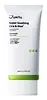
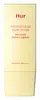
JUMISO Super Soothing Cica & Aloe Sunscreen SPF 50+ PA++++ Versus House of Hur Weightless Sun Fluid SPF 50+ PA++++
This hybrid sunscreen covers the full UV range and blocks ~98% of UVB at SPF 50.
This chemical sunscreen covers the full UV range and blocks ~98% of UVB at SPF 50.

What's inside
What's inside
 Key Ingredients
Benefits
Concerns
Ingredients Side-by-side
Zinc Oxide
Cosmetic Colorant


Isononyl Isononanoate
EmollientButyloctyl Salicylate
Skin Conditioning
Caprylyl Methicone
Skin Conditioning
Hexyl Laurate
Emollient

Pentaerythrityl Tetraethylhexanoate
Emollient
Dicaprylyl Carbonate
EmollientCI 77891
Cosmetic ColorantAcrylates Copolymer
Dipropylene Glycol
HumectantPropanediol
Solvent
Isododecane
EmollientDisteardimonium Hectorite
StabilisingPolyglyceryl-4 Diisostearate/Polyhydroxystearate/Sebacate
Emulsifying
Polyglyceryl-6 Polyhydroxystearate
Emulsifying
Centella Asiatica Extract
Cleansing




Aloe Barbadensis Leaf Extract
Emollient
Trimethylsiloxysilicate
Emollient
Polyglyceryl-3 Polydimethylsiloxyethyl Dimethicone
Skin Conditioning
Polyhydroxystearic Acid
Emulsifying
Magnesium Sulfate
Polyglyceryl-2 Isostearate
Emulsifying
Dimethicone/Vinyl Dimethicone Crosspolymer
Skin Conditioning
Triethoxycaprylylsilane
Polyglyceryl-6 Polyricinoleate
Emulsifying
1,2-Hexanediol
Skin Conditioning
Coco-Caprylate/Caprate
Emollient
Poly C10-30 Alkyl Acrylate
Emulsion StabilisingAluminum Hydroxide
EmollientStearic Acid
Cleansing
Polyglyceryl-2 Dipolyhydroxystearate
Skin Conditioning
Vinyl Dimethicone/Methicone Silsesquioxane Crosspolymer
Sorbitan Isostearate
Emulsifying
Cetyl Palmitate
Emollient
Hydroxyacetophenone
Antioxidant
Sorbitan Olivate
Emulsifying
Sorbitan Palmitate
Emulsifying
Butylene Glycol
Humectant
Trisodium Ethylenediamine Disuccinate
ChelatingPolyglycerin-6
HumectantTocopherol
Antioxidant


Ascorbyl Palmitate
Antioxidant
Zinc Oxide, Isononyl Isononanoate, Butyloctyl Salicylate, Caprylyl Methicone, Hexyl Laurate, Pentaerythrityl Tetraethylhexanoate, Dicaprylyl Carbonate, CI 77891, Acrylates Copolymer, Dipropylene Glycol, Propanediol, Isododecane, Disteardimonium Hectorite, Polyglyceryl-4 Diisostearate/Polyhydroxystearate/Sebacate, Polyglyceryl-6 Polyhydroxystearate, Centella Asiatica Extract, Aloe Barbadensis Leaf Extract, Trimethylsiloxysilicate, Polyglyceryl-3 Polydimethylsiloxyethyl Dimethicone, Polyhydroxystearic Acid, Magnesium Sulfate, Polyglyceryl-2 Isostearate, Dimethicone/Vinyl Dimethicone Crosspolymer, Triethoxycaprylylsilane, Polyglyceryl-6 Polyricinoleate, 1,2-Hexanediol, Coco-Caprylate/Caprate, Poly C10-30 Alkyl Acrylate, Aluminum Hydroxide, Stearic Acid, Polyglyceryl-2 Dipolyhydroxystearate, Vinyl Dimethicone/Methicone Silsesquioxane Crosspolymer, Sorbitan Isostearate, Cetyl Palmitate, Hydroxyacetophenone, Sorbitan Olivate, Sorbitan Palmitate, Butylene Glycol, Trisodium Ethylenediamine Disuccinate, Polyglycerin-6, Tocopherol, Ascorbyl Palmitate
Citrus Junos Fruit Extract
Skin ConditioningWater
Skin ConditioningHoney Extract
Humectant
Dibutyl Adipate
EmollientEthylhexyl Triazone
UV Absorber
Terephthalylidene Dicamphor Sulfonic Acid
UV Absorber
Silica
Abrasive

Butylene Glycol
Humectant
Methylpropanediol
SolventTromethamine
BufferingPolyglyceryl-3 Distearate
Emulsifying
1,2-Hexanediol
Skin Conditioning
Caprylyl Methicone
Skin Conditioning
Diethylamino Hydroxybenzoyl Hexyl Benzoate
UV Filter
Polysilicone-15
UV Filter
Ammonium Acryloyldimethyltaurate/Vp Copolymer
Potassium Cetyl Phosphate
EmulsifyingBis-Ethylhexyloxyphenol Methoxyphenyl Triazine
UV Absorber
Glyceryl Stearate
Emollient
Pentylene Glycol
Skin Conditioning
Polyacrylate Crosspolymer-6
Emulsion StabilisingHydroxyacetophenone
Antioxidant
Polyether-1
Glyceryl Stearate Citrate
Emollient
Ethylhexylglycerin
Skin ConditioningDisodium EDTA
ChelatingCitrus Junos Fruit Extract, Water, Honey Extract, Dibutyl Adipate, Ethylhexyl Triazone, Terephthalylidene Dicamphor Sulfonic Acid, Silica, Butylene Glycol, Methylpropanediol, Tromethamine, Polyglyceryl-3 Distearate, 1,2-Hexanediol, Caprylyl Methicone, Diethylamino Hydroxybenzoyl Hexyl Benzoate, Polysilicone-15, Ammonium Acryloyldimethyltaurate/Vp Copolymer, Potassium Cetyl Phosphate, Bis-Ethylhexyloxyphenol Methoxyphenyl Triazine, Glyceryl Stearate, Pentylene Glycol, Polyacrylate Crosspolymer-6, Hydroxyacetophenone, Polyether-1, Glyceryl Stearate Citrate, Ethylhexylglycerin, Disodium EDTA
Reviews
Ingredients Explained
These ingredients are found in both products.
Ingredients higher up in an ingredient list are typically present in a larger amount.
1,2-Hexanediol is a synthetic liquid and another multi-functional powerhouse.
It is a:
- Humectant, drawing moisture into the skin
- Emollient, helping to soften skin
- Solvent, dispersing and stabilizing formulas
- Preservative booster, enhancing the antimicrobial activity of other preservatives
Butylene Glycol (or BG) is used within cosmetic products for a few different reasons:
Overall, Butylene Glycol is a safe and well-rounded ingredient that works well with other ingredients.
Though this ingredient works well with most skin types, some people with sensitive skin may experience a reaction such as allergic rashes, closed comedones, or itchiness.
Learn more about Butylene GlycolCaprylyl Methicone is a synthetic and lightweight silicone fluid. It gives products a silky, dry-touch finish without the heaviness of pure oils.
Though the EU CosIng Database lists this ingredient as a skin conditioner, it is also used for sensory reasons. It spreads easily, cuts greasiness, and reduces tackiness.
This ingredient is volatile which means it will mostly evaporate (but it evaporates slower than older cyclomethicones, like Cyclotetrasiloxane).
Typical concentration ranges from 1-30% depending on if it's being used to tweak the feel of a product or acting as the main emollient.
Learn more about Caprylyl MethiconeHydroxyacetophenone is a small phenolic molecule that earns its place in a formulas as an antioxidant and preservative booster.
As a phenol, it is able to neutralize free radicals to protect both the product and the skin from oxidative stress.
Though it can't kill microbes on its own, it works as a good supporting agent when combined with other preservatives like Phenoxyethanol or 1,2-Hexanediol.
This ingredient naturally occurs as piceol in Norwegian spruce needles (~0.4-1.1% dry weight and in cloudberries). Though the cosmetic-grade material is synthesized for purity and consistency.
You'll usually see it used at low levels and suppliers recommend up to 1% added to a water phase.
Safety testing was done at concentrations like 0.05% in SPF products and 0.5% in a Human Repeated Insult Patch Test. The safety evidence is assuring; this ingredient is safe for cosmetics in current use and also holds safety status as a food flavoring as well.
An honest caveat: the "soothing" and "anti-inflammatory" claims come mostly from supplier marketing rather than published clinical trials. The Cosmetic Ingredient Review's own literature search found no useful efficacy studies on this ingredient.
So the antioxidant and preservative-boosting roles are the well supported ones while the calming benefit is plausible but thinly evidenced.
Overall, this is a well-tolerated, low-irritation multitasker that quietly helps a formula stay fresh and stable.
Learn more about Hydroxyacetophenone

