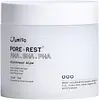
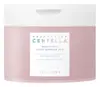
JUMISO Pore-rest AHA BHA PHA Blackhead Wipe Toner Pad Versus SKIN1004 Madagascar Centella Poremizing Clear Ampoule Pad
This pore-care toner pad uses a pre-saturated pad with Salix Alba Bark Extract and Gluconolactone to refine the look of pores and refine skin texture.
This pore-care toner pad uses a pre-saturated pad with Niacinamide and Centella Asiatica Extract to refine the look of pores and balance excess oil.

What's inside
What's inside
 Key Ingredients
Benefits
Concerns
Ingredients Side-by-side
Water
Skin ConditioningGlycerin
Humectant


Butylene Glycol
Humectant
1,2-Hexanediol
Skin Conditioning
Althaea Rosea Flower Extract
Skin ConditioningOenothera Biennis Flower Extract
AstringentPinus Palustris Leaf Extract
TonicPueraria Thunbergiana Root Extract
Skin ConditioningUlmus Davidiana Root Extract
Skin Conditioning
Pyrus Malus Fruit Extract
Skin Conditioning
Vaccinium Myrtillus Fruit/Leaf Extract
AstringentSaccharum Officinarum Extract
MoisturisingCitrus Aurantium Dulcis Fruit Extract
MaskingCitrus Limon Fruit Extract
Masking
Acer Saccharum Extract
Skin ConditioningRosa Multiflora Fruit Extract
MaskingSalix Alba Bark Extract
Astringent

Enantia Chlorantha Bark Extract
Skin ConditioningDipropylene Glycol
HumectantTrehalose
Humectant
Diglycerin
Humectant
Gluconolactone
Chelating




Panthenol
Skin Conditioning
Allantoin
Skin Conditioning
Arginine
Masking
Betaine Salicylate
Antimicrobial

Polyglyceryl-10 Laurate
Skin Conditioning
Sodium Citrate
BufferingTromethamine
BufferingCaprylyl Glycol
Emollient
Ethylhexylglycerin
Skin ConditioningCitric Acid
Buffering
Caprylic/Capric Triglyceride
Masking
Pistacia Lentiscus Gum
MaskingHydrogenated Lecithin
Emulsifying
Oleanolic Acid
Skin ConditioningCaffeine
Skin Conditioning
Xanthan Gum
EmulsifyingDisodium EDTA
ChelatingPhenethyl Alcohol
MaskingWater, Glycerin, Butylene Glycol, 1,2-Hexanediol, Althaea Rosea Flower Extract, Oenothera Biennis Flower Extract, Pinus Palustris Leaf Extract, Pueraria Thunbergiana Root Extract, Ulmus Davidiana Root Extract, Pyrus Malus Fruit Extract, Vaccinium Myrtillus Fruit/Leaf Extract, Saccharum Officinarum Extract, Citrus Aurantium Dulcis Fruit Extract, Citrus Limon Fruit Extract, Acer Saccharum Extract, Rosa Multiflora Fruit Extract, Salix Alba Bark Extract, Enantia Chlorantha Bark Extract, Dipropylene Glycol, Trehalose, Diglycerin, Gluconolactone, Panthenol, Allantoin, Arginine, Betaine Salicylate, Polyglyceryl-10 Laurate, Sodium Citrate, Tromethamine, Caprylyl Glycol, Ethylhexylglycerin, Citric Acid, Caprylic/Capric Triglyceride, Pistacia Lentiscus Gum, Hydrogenated Lecithin, Oleanolic Acid, Caffeine, Xanthan Gum, Disodium EDTA, Phenethyl Alcohol
Water
Skin ConditioningButylene Glycol
Humectant
Niacinamide
Smoothing
1,2-Hexanediol
Skin Conditioning
Glycerin
Humectant
Panthenol
Skin Conditioning
Centella Asiatica Extract
Cleansing
Xanthan Gum
EmulsifyingSodium Hyaluronate
Humectant
Mineral Salts
Skin ConditioningAllantoin
Skin Conditioning
Ethylhexylglycerin
Skin ConditioningAdenosine
Skin Conditioning
Disodium EDTA
ChelatingAloe Barbadensis Leaf Extract
Emollient
Cymbopogon Citratus Extract
Skin ConditioningEucalyptus Globulus Leaf Extract
Perfuming
Mentha Arvensis Extract
MaskingMethyl Diisopropyl Propionamide
MaskingErythritol
Humectant
Hydrolyzed Extensin
Skin ConditioningCyanocobalamin
Skin ConditioningOenothera Biennis Flower Extract
AstringentPinus Palustris Leaf Extract
TonicPueraria Lobata Root Extract
HumectantUlmus Davidiana Root Extract
Skin Conditioning
Jasminum Officinale Flower Extract
Masking
Salix Alba Bark Extract
Astringent
Solanum Melongena Fruit Extract
Skin ConditioningPentylene Glycol
Skin Conditioning
Caprylyl Glycol
Emollient
Sodium Phytate
ChelatingHydroxypropyltrimonium Hyaluronate
Sodium DNA
Skin Conditioning
Hydrolyzed Hyaluronic Acid
Humectant
Sodium Acetylated Hyaluronate
Humectant
Hyaluronic Acid
Humectant
Hydrolyzed Sodium Hyaluronate
Skin Conditioning
Sodium Hyaluronate Crosspolymer
Humectant
Potassium Hyaluronate
Skin ConditioningWater, Butylene Glycol, Niacinamide, 1,2-Hexanediol, Glycerin, Panthenol, Centella Asiatica Extract, Xanthan Gum, Sodium Hyaluronate, Mineral Salts, Allantoin, Ethylhexylglycerin, Adenosine, Disodium EDTA, Aloe Barbadensis Leaf Extract, Cymbopogon Citratus Extract, Eucalyptus Globulus Leaf Extract, Mentha Arvensis Extract, Methyl Diisopropyl Propionamide, Erythritol, Hydrolyzed Extensin, Cyanocobalamin, Oenothera Biennis Flower Extract, Pinus Palustris Leaf Extract, Pueraria Lobata Root Extract, Ulmus Davidiana Root Extract, Jasminum Officinale Flower Extract, Salix Alba Bark Extract, Solanum Melongena Fruit Extract, Pentylene Glycol, Caprylyl Glycol, Sodium Phytate, Hydroxypropyltrimonium Hyaluronate, Sodium DNA, Hydrolyzed Hyaluronic Acid, Sodium Acetylated Hyaluronate, Hyaluronic Acid, Hydrolyzed Sodium Hyaluronate, Sodium Hyaluronate Crosspolymer, Potassium Hyaluronate
Ingredients Explained
These ingredients are found in both products.
Ingredients higher up in an ingredient list are typically present in a larger amount.
1,2-Hexanediol is a synthetic liquid and another multi-functional powerhouse.
It is a:
- Humectant, drawing moisture into the skin
- Emollient, helping to soften skin
- Solvent, dispersing and stabilizing formulas
- Preservative booster, enhancing the antimicrobial activity of other preservatives
Allantoin is a soothing ingredient known for its protective and moisturizing properties; it's basically a quiet workhorse ingredient you can find in a huge range of cosmetics.
Though it can be derived from the comfrey plant, allantoin is produced synthetically for cosmetic products to ensure purity.
Research shows it can encourage your skin cells to turn over and renew by stimulating keratinocyte and fibroblast proliferation.
It also has mild keratolytic properties to help loosen and shed dead skin cells without being harsh.
Studies also suggest allantoin can help calm inflammation by dialing down some of the chemical signals your skin sends out when it is irritated.
This ingredient is typically used in the 0.1-0.5% range, and the FDA recognizes it as a skin protectant in OTC products up to 2%.
Overall, allantoin is a wonderful addition to most routines; it is stable across a wide pH range (~4-8), works well with other ingredients, and is considered non-sensitizing/non-irritating.
Fun fact: Allantoin is naturally occurring in comfrey root, beets, chamomile, and wheat sprouts. Our bodies even produce it as a byproduct of uric acid metabolism.
Learn more about AllantoinButylene Glycol (or BG) is used within cosmetic products for a few different reasons:
Overall, Butylene Glycol is a safe and well-rounded ingredient that works well with other ingredients.
Though this ingredient works well with most skin types, some people with sensitive skin may experience a reaction such as allergic rashes, closed comedones, or itchiness.
Learn more about Butylene GlycolCaprylyl Glycol is a humectant, skin conditioner, emollient, and preservative booster derived from either caprylic acid or synthetically created.
Typical use levels vary from 0.3-1% as a preservative booster and go up to 2% to condition skin.
Because it is not a free-fatty acid, this ingredient is fungal acne safe (there's nothing for Malassezia to feed on).
Learn more about Caprylyl GlycolDisodium EDTA is a chelating agent. It grabs onto and deactivates metal ions that sneak into your products from water, packaging, or air.
This ingredient mainly works behind the scenes and helps with:
On top of that, this ingredient can counteract the effects of hard water by binding to the minerals in it.
One thing worth knowing is that Disodium EDTA has been shown to be a mild penetration enhancer. It can help other ingredients absorb into skin more effectively which can be a double-edged sword (great for actives, but can also make the active too strong if you have sensitive skin).
Clinical patch testing showed no significant skin irritation at typical use concentrations and minimal dermal absorption.
You'll most likely see this ingredient near the end of an ingredient list. It's typically found in concentrations less than 1%.
Learn more about Disodium EDTAEthylhexylglycerin is created from glycerin. It is a multitasker ingredient that:
The CIR Expert Panel found minimal skin absorption or sensitization of any kind in a safety assessment. Though this ingredient is considered well-tolerated, a small number of cases of allergic dermatitis have been published since 2002. Just be sure to patch test if you are unsure.
Industry-reported use ranges from 8% in rinse-off products and 2% in leave-on formulations.
Learn more about EthylhexylglycerinGlycerin (or glycerol) is a compound naturally found in your skin. It's a powerhouse humectant that pulls water into the stratum corneum.
Topically, glycerin does several things at once:
Your skin makes glycerin on its own (mostly from sebaceous oil breakdown) and shuttles it to your outermost layer of skin, or your epidermis, via aquaporin-3.
Aquaporin-3 is a transporter that is essential for normal skin hydration, elasticity, and repair. Interestingly, mice lacking in AQP3 have dry and less elastic skin that can be fully corrected with glycerin.
This ingredient is non-irritating, plays well with almost every ingredient, and works across all skin types. Typical use is anywhere between 3-10% but can go up to 79% in some leave-on products.
Just know very high concentrations (>40%) can feel tacky in low humidity.
Glycerin is the name for this ingredient in American English. British English uses Glycerol/Glycerine.
Learn more about GlycerinWe don't have a description for Oenothera Biennis Flower Extract yet.
Panthenol is a common ingredient that helps hydrate and soothe the skin. It is found naturally in our skin and hair.
There are two forms of panthenol: D and L.
D-panthenol is also known as dexpanthenol. Most cosmetics use dexpanthenol or a mixture of D and L-panthenol.
Panthenol is famous due to its ability to go deeper into the skin's layers. Using this ingredient has numerous pros (and no cons):
Like hyaluronic acid, panthenol is a humectant. Humectants are able to bind and hold large amounts of water to keep skin hydrated.
This ingredient works well for wound healing. It works by increasing tissue in the wound and helps close open wounds.
Once oxidized, panthenol converts to pantothenic acid. Panthothenic acid is found in all living cells.
This ingredient is also referred to as pro-vitamin B5.
Learn more about PanthenolWe don't have a description for Pinus Palustris Leaf Extract yet.
Salix Alba Bark Extract comes from the bark of the white willow tree. The official CosIng listing states this ingredient to have astringent, skin conditioning, soothing, and tonic properties.
Its star compound is salicin, a natural glucoside that is chemically related to salicylic acid. That's why you'll often see it marketed as a "natural BHA alternative" but that's a bit of a stretch.
Your skin can't convert salicin to salicylic acid because it needs specific enzymes that aren't present on the skin's surface. It won't behave like true salicylic acid, especially at the concentrations used in cosmetics.
However, this ingredient has its own perks. It contains flavonoids, polyphenols, and tannins that give it proven antioxidant and soothing properties.
An 8-week clinical study found a cream with 2% of this extract improved skin microcirculation, elasticity, and dark circles. This is most likely due to its role in increasing hyaluronic acid synthesis in fibroblasts and improved vascular integrity.
Another study found a topical serum with 0.5% salicin showed improvements in visible signs of aging, hyperpigmentation, and texture.
Just be careful if you have a known aspirin/salicylate allergy and be sure to consult with a medical professional about using this ingredient if you do.
Fun fact: Willow Bark extract has been used for thousands of years and ancient civilizations used white willow to help treat pain and fevers.
Learn more about Salix Alba Bark ExtractThis tree is also known as the David Elm. It contains the ingredient bakuchiol.
Other great compounds found in this ingredient include galactose, glucose, and phenolics. The sugar content gives it great skin hydrating properties. Phenolics are potent antioxidants commonly found in fruits and veggies.
A 2020 study found the phenolics of this root to have an anti-inflammatory effect.
Fun fact: This ingredient is used in traditional Asian medicine.
Learn more about Ulmus Davidiana Root ExtractWater. It's the most common cosmetic ingredient of all. You'll usually see it at the top of ingredient lists, meaning that it makes up the largest part of the product.
So why is it so popular? Water most often acts as a solvent - this means that it helps dissolve other ingredients into the formulation.
You'll also recognize water as that liquid we all need to stay alive. If you see this, drink a glass of water. Remember to stay hydrated!
Learn more about WaterXanthan gum is used as a stabilizer and thickener within cosmetic products. It helps give products a sticky, thick feeling - preventing them from being too runny.
On the technical side of things, xanthan gum is a polysaccharide - a combination consisting of multiple sugar molecules bonded together.
Xanthan gum is a pretty common and great ingredient. It is a natural, non-toxic, non-irritating ingredient that is also commonly used in food products.
Learn more about Xanthan Gum

