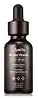
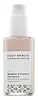
JUMISO All Day Vitamin VC-IP 1.0 Firming Serum Versus alpyn beauty Vitamin C & Bearberry Instant Glow Serum
This brightening serum is formulated around Niacinamide and Ascorbyl Tetraisopalmitate to fade the look of dark spots and soften the look of wrinkles.
This brightening serum is formulated around 3-O-Ethyl Ascorbic Acid and Arctostaphylos Uva Ursi Leaf Extract to brighten dull-looking skin and fade the look of dark spots.


What's inside
What's inside
 Key Ingredients
Benefits
Concerns
Ingredients Side-by-side
Aronia Melanocarpa Fruit Extract
Skin ConditioningButylene Glycol
Humectant

Propanediol
Solvent
Betaine
Humectant
Panthenol
Skin Conditioning

Niacinamide
Smoothing







1,2-Hexanediol
Skin Conditioning
Ascorbyl Tetraisopalmitate
Antioxidant



Hydroxyethyl Acrylate/Sodium Acryloyldimethyl Taurate Copolymer
Emulsion StabilisingCetearyl Olivate
Sorbitan Olivate
Emulsifying
Allantoin
Skin Conditioning
Tocopherol
Antioxidant
Adenosine
Skin Conditioning
Sodium Hyaluronate
Humectant
Bakuchiol
Antimicrobial
Alpha-Arbutin
Antioxidant
Ferulic Acid
Antimicrobial
Centella Asiatica Oil
Antimicrobial
Glycine Soja Oil
Emollient


Aronia Melanocarpa Fruit Extract, Butylene Glycol, Propanediol, Betaine, Panthenol, Niacinamide, 1,2-Hexanediol, Ascorbyl Tetraisopalmitate, Hydroxyethyl Acrylate/Sodium Acryloyldimethyl Taurate Copolymer, Cetearyl Olivate, Sorbitan Olivate, Allantoin, Tocopherol, Adenosine, Sodium Hyaluronate, Bakuchiol, Alpha-Arbutin, Ferulic Acid, Centella Asiatica Oil, Glycine Soja Oil
Aloe Barbadensis Leaf Juice
Skin Conditioning
Cetearyl Alcohol
Emollient

Glycerin
Humectant
Squalane
Emollient
Capryloyl Glycerin/Sebacic Acid Copolymer
Skin ConditioningDiheptyl Succinate
EmollientMica
Cosmetic ColorantTitanium Dioxide
Cosmetic Colorant

Bakuchiol
Antimicrobial
Tocopherol
Antioxidant
3-O-Ethyl Ascorbic Acid
Skin Conditioning
Glycolic Acid
Buffering


Sodium Phytate
ChelatingSodium Hyaluronate
Humectant
Hydrolyzed Sodium Hyaluronate
Skin Conditioning
Azelaic Acid
Buffering
Zinc Oxide
Cosmetic Colorant
Xanthan Gum
EmulsifyingLinoleic Acid
Cleansing
Cetearyl Glucoside
Emulsifying
Arnica Montana Flower Extract
Masking
Simmondsia Chinensis Seed Wax
Skin Conditioning
Borago Officinalis Extract
Emollient
Calendula Officinalis Flower Extract
Masking
Chamomilla Recutita Flower Extract
Masking
Salvia Officinalis Leaf Extract
CleansingDehydroacetic Acid
Preservative
Benzyl Alcohol
Perfuming


Potassium Sorbate
Preservative
Lactic Acid
Buffering
Tripeptide-29
Skin Conditioning
Hydrolyzed Lupine Protein
Skin ConditioningCentella Asiatica Meristem Cell Culture
Antioxidant
Lavandula Angustifolia Oil
Masking
Citrus Aurantium Dulcis Oil
Masking
Helianthus Annuus Seed Oil
Emollient
Arctostaphylos Uva Ursi Leaf Extract
Skin Conditioning
Water
Skin ConditioningGlycyrrhiza Glabra Root Extract
Bleaching
Ethylhexylglycerin
Skin ConditioningTin Oxide
Abrasive
Caesalpinia Sappan Bark Extract
Skin ConditioningAloe Barbadensis Leaf Juice, Cetearyl Alcohol, Glycerin, Squalane, Capryloyl Glycerin/Sebacic Acid Copolymer, Diheptyl Succinate, Mica, Titanium Dioxide, Bakuchiol, Tocopherol, 3-O-Ethyl Ascorbic Acid, Glycolic Acid, Sodium Phytate, Sodium Hyaluronate, Hydrolyzed Sodium Hyaluronate, Azelaic Acid, Zinc Oxide, Xanthan Gum, Linoleic Acid, Cetearyl Glucoside, Arnica Montana Flower Extract, Simmondsia Chinensis Seed Wax, Borago Officinalis Extract, Calendula Officinalis Flower Extract, Chamomilla Recutita Flower Extract, Salvia Officinalis Leaf Extract, Dehydroacetic Acid, Benzyl Alcohol, Potassium Sorbate, Lactic Acid, Tripeptide-29, Hydrolyzed Lupine Protein, Centella Asiatica Meristem Cell Culture, Lavandula Angustifolia Oil, Citrus Aurantium Dulcis Oil, Helianthus Annuus Seed Oil, Arctostaphylos Uva Ursi Leaf Extract, Water, Glycyrrhiza Glabra Root Extract, Ethylhexylglycerin, Tin Oxide, Caesalpinia Sappan Bark Extract
Reviews
Ingredients Explained
These ingredients are found in both products.
Ingredients higher up in an ingredient list are typically present in a larger amount.
Bakuchiol is a plant-derived antioxidant from the seeds of the Psoralea corylifolia plant. It has antimicrobial, emollient, skin conditioning, and antioxidant properties.
You'll likely see it called a "retinol replacement" but the two are technically not related. This is because bakuchiol is able to flip many of the same switches in your skin cells to tell them to:
1) produce more collagen (type I, III, and IV)
2) activate the same genes retinoids do
Unlike retinoids, this ingredient will not increase photosensitivity and is safe to use during pregnancy (but please still check in with your doctor!).
The flagship clinical trial from Dhaliwal et al. 2019 found 0.5% bakuchiol (twice daily) and 0.5% retinol (once daily) reduced wrinkles and hyperpigmentation equally, but bakuchiol had significantly less irritation.
Systematic reviews also back this up:
Bakuchiol is comparable to retinol for photoaging but with better tolerability. It also has mild antibacterial properties against Cutibacterium acnes and antifungal activity in vitro against Candida and dermatophytes.
The reason bakuchiol works well is due to its structure; it is a meroterpene phenol, or a hybrid molecule. The phenol half acts as an antioxidant while the terpene half is fat-loving. This helps the molecule slip through the skin barrier.
This ingredient is usually used between 0.5-2%. Only one case of contact dermatitis has ever been reported for this ingredient.
Learn more about BakuchiolSodium Hyaluronate is the salt form of hyaluronic acid. It is a long sugar chain that is naturally found in your skin, joints, and connective tissue that maintains hydration and elasticity.
In skincare, it works as a humectant. It pulls water from the environment and deeper layers of skin and binds it to the surface.
Interestingly, the size of the molecule affects its behavior:
Some clinical evidence links low molecular weight versions to improved wrinkle depth, elasticity, anti-inflammatory effects, and barrier repair.
Many serums use a blend of both weights so you can get surface hydration plus longer-lasting and deeper effects.
You'll typically see concentrations between 0.1-2% for this ingredient.
Learn more about Sodium HyaluronateTocopherol is a fat-soluble antioxidant known as Vitamin E.
You'll find this ingredient in the vast majority of skincare (for good reason). It works to neutralize free radicals, or unstable molecules generated by UV exposure, pollution, and other environmental stressors, before they can cause oxidative damage to your skin cells.
Topically applied tocopherol has been shown to protect against UV damage by ramping up the skin's own natural defense enzymes.
It also acts as a skin conditioning agent; some studies show that regular topical use can improve the skin's water-binding capacity over 2-4 weeks.
This ingredient is especially loved for being a team player. When combined with Vitamin C, the photoprotective effect of both ingredients roughly doubles and the combo also helps reduce UV-induced DNA damage.
This ingredient has some brightening potential but it's more of a prevention ingredient than spot-fader. Cell studies show it can slow down melanin production but it's worth noting that it's not the most powerful brightener out there.
In formulations, it also serves as a stabilizer that helps protect other oxidation-prone ingredients from degrading.
Concentrations usually range from 0.1-1% in most leave-on products.
Learn more about Tocopherol

