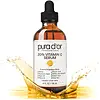
This brightening treatment is formulated around Ascorbic Acid and Aloe Barbadensis Leaf Juice to brighten dull-looking skin and fade the look of dark spots.
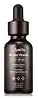
This brightening serum is formulated around Niacinamide and Ascorbyl Tetraisopalmitate to fade the look of dark spots and soften the look of wrinkles.


What's inside
What's inside
 Key Ingredients
Benefits
Concerns
Ingredients Side-by-side
Aloe Barbadensis Leaf Juice
Skin Conditioning


Ascorbic Acid
Antioxidant






Propanediol
Solvent
Hamamelis Virginiana Bark/Leaf/Twig Extract
Skin Conditioning

Tremella Fuciformis Sporocarp Extract
Antioxidant
Betaine
Humectant
Glycerin
Humectant
Hyaluronic Acid
Humectant
Ferulic Acid
Antimicrobial
Dimethyl Sulfone
SolventTocopherol
Antioxidant
Argania Spinosa Kernel Oil
Emollient



Retinol
Skin Conditioning



Simmondsia Chinensis Seed Oil
Emollient
Phytic Acid
Chelating
Sodium Citrate
BufferingSodium Metabisulfite
Antioxidant
Xanthan Gum
EmulsifyingCaprylyl Glycol
Emollient
Caprylhydroxamic Acid
ChelatingPolysorbate 20
Emulsifying
Aloe Barbadensis Leaf Juice, Ascorbic Acid, Propanediol, Hamamelis Virginiana Bark/Leaf/Twig Extract, Tremella Fuciformis Sporocarp Extract, Betaine, Glycerin, Hyaluronic Acid, Ferulic Acid, Dimethyl Sulfone, Tocopherol, Argania Spinosa Kernel Oil, Retinol, Simmondsia Chinensis Seed Oil, Phytic Acid, Sodium Citrate, Sodium Metabisulfite, Xanthan Gum, Caprylyl Glycol, Caprylhydroxamic Acid, Polysorbate 20
Aronia Melanocarpa Fruit Extract
Skin ConditioningButylene Glycol
Humectant
Propanediol
Solvent
Betaine
Humectant
Panthenol
Skin Conditioning
Niacinamide
Smoothing
1,2-Hexanediol
Skin Conditioning
Ascorbyl Tetraisopalmitate
Antioxidant
Hydroxyethyl Acrylate/Sodium Acryloyldimethyl Taurate Copolymer
Emulsion StabilisingCetearyl Olivate
Sorbitan Olivate
Emulsifying
Allantoin
Skin Conditioning
Tocopherol
Antioxidant
Adenosine
Skin Conditioning
Sodium Hyaluronate
Humectant
Bakuchiol
Antimicrobial
Alpha-Arbutin
Antioxidant
Ferulic Acid
Antimicrobial
Centella Asiatica Oil
Antimicrobial
Glycine Soja Oil
Emollient

Aronia Melanocarpa Fruit Extract, Butylene Glycol, Propanediol, Betaine, Panthenol, Niacinamide, 1,2-Hexanediol, Ascorbyl Tetraisopalmitate, Hydroxyethyl Acrylate/Sodium Acryloyldimethyl Taurate Copolymer, Cetearyl Olivate, Sorbitan Olivate, Allantoin, Tocopherol, Adenosine, Sodium Hyaluronate, Bakuchiol, Alpha-Arbutin, Ferulic Acid, Centella Asiatica Oil, Glycine Soja Oil
Reviews
Ingredients Explained
These ingredients are found in both products.
Ingredients higher up in an ingredient list are typically present in a larger amount.
Betaine is a humectant. Like hyaluronic acid, it helps attract and retain moisture in the skin. It’s known for being gentle and for helping the skin maintain balanced hydration.
Betaine is mainly used to improve hydration and support calmer skin. It helps skin cells regulate water balance because it functions as an osmolyte.
Some studies suggest betaine may support making skin tone more even.
Fun fact: Betaine naturally exists in the skin and the body. In cosmetic products, it can be either plant-derived (most commonly from sugar beets) or synthetically produced for consistency and stability.
Betaine is also known as trimethylglycine.
Learn more about BetaineFerulic Acid is a plant based antioxidant that can be naturally found in the cell walls of grains like rice, oats, and corn. It has antioxidant and antimicrobial properties, and has the ability to boost the performance of other antioxidants as well.
A well-known study found that adding Ferulic Acid to a solution of Vitamins C and E doubled the photoprotection of skin. This is why you'll often see it paired with Vitamin C or Vitamin E serums rather than sold on its own.
A 2025 review of 18 human studies found that using Ferulic Acid (0.5-1%) daily for one to three months showed improvements in:
As far as allergies go, Ferulic acid is generally well-tolerated but can cause an allergic reaction in very rare cases. It's also worth noting that Ferulic acid is often extracted from plant sources like rice bran or wheat bran, so be sure to path test if you have known grain allergies.
Outside of skincare, researchers are also looking into Ferulic Acid for its potential benefits in areas like diabetes, Alzheimer's, and heart health.
Learn more about Ferulic AcidPropanediol is an all-star ingredient. It softens, hydrates, and smooths the skin.
It’s often used to:
Propanediol is not likely to cause sensitivity and considered safe to use. It is derived from corn or petroleum with a clear color and no scent.
Learn more about PropanediolTocopherol is a fat-soluble antioxidant known as Vitamin E.
You'll find this ingredient in the vast majority of skincare (for good reason). It works to neutralize free radicals, or unstable molecules generated by UV exposure, pollution, and other environmental stressors, before they can cause oxidative damage to your skin cells.
Topically applied tocopherol has been shown to protect against UV damage by ramping up the skin's own natural defense enzymes.
It also acts as a skin conditioning agent; some studies show that regular topical use can improve the skin's water-binding capacity over 2-4 weeks.
This ingredient is especially loved for being a team player. When combined with Vitamin C, the photoprotective effect of both ingredients roughly doubles and the combo also helps reduce UV-induced DNA damage.
This ingredient has some brightening potential but it's more of a prevention ingredient than spot-fader. Cell studies show it can slow down melanin production but it's worth noting that it's not the most powerful brightener out there.
In formulations, it also serves as a stabilizer that helps protect other oxidation-prone ingredients from degrading.
Concentrations usually range from 0.1-1% in most leave-on products.
Learn more about Tocopherol

