Juice Beauty Stem Cellular Anti-Wrinkle Overnight Cream Versus Pacifica Wake Up Beautiful Overnight Retinoid Cream
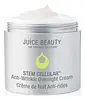
This anti-aging night moisturizer is formulated around Aloe Barbadensis Leaf Juice and Ceramide NP to soften the look of wrinkles and hydrate skin.
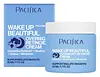
This anti-aging night moisturizer is formulated around Hydroxypinacolone Retinoate to soften the look of wrinkles and refine skin texture.

What's inside
What's inside
 Key Ingredients
Benefits
Concerns
Ingredients Side-by-side
Vitis Vinifera Juice
Antioxidant
Aloe Barbadensis Leaf Juice
Skin Conditioning


Pyrus Malus Juice
Skin ConditioningCitrus Limon Juice
Skin Conditioning
Caprylic/Capric Triglyceride
Masking

Helianthus Annuus Seed Oil
Emollient


Glyceryl Stearate
Emollient
Stearyl Alcohol
Emollient
Cetyl Alcohol
Emollient
Stearic Acid
Cleansing
Glycerin
Humectant
Glyceryl Stearate Citrate
Emollient
Simmondsia Chinensis Seed Oil
Emollient
Butyrospermum Parkii Butter
Skin Conditioning

Vitis Vinifera Seed Oil
Emollient
Squalane
Emollient
Oenothera Biennis Oil
Emollient
Ceramide NP
Skin Conditioning
Tocopherol
Antioxidant


Capryloyl Glycerin
Narcissus Tazetta Bulb Extract
Astringent
Citrus Limon Leaf Cell Extract
Skin ConditioningMalus Domestica Fruit Cell Culture Extract
Skin ConditioningVitis Vinifera Fruit Extract
Skin ConditioningPalmitoyl Tripeptide-5
Skin Conditioning

Panthenol
Skin Conditioning
Allantoin
Skin Conditioning
Ascorbic Acid
Antioxidant
Chamomilla Recutita Extract
Skin Conditioning
Sodium Hyaluronate
Humectant
Sodium PCA
Humectant
Beta-Glucan
Skin Conditioning
Diheptyl Succinate
EmollientEthylhexylglycerin
Skin ConditioningSodium Phytate
ChelatingCarbomer
Emulsion StabilisingCaprylyl Glycol
Emollient
Gluconolactone
Chelating



Cinnamomum Camphora Wood Oil
Masking
Litsea Cubeba Fruit Oil
Masking

Citral
Perfuming
Ethyl Linalool
Masking
Limonene
Perfuming
Vitis Vinifera Juice, Aloe Barbadensis Leaf Juice, Pyrus Malus Juice, Citrus Limon Juice, Caprylic/Capric Triglyceride, Helianthus Annuus Seed Oil, Glyceryl Stearate, Stearyl Alcohol, Cetyl Alcohol, Stearic Acid, Glycerin, Glyceryl Stearate Citrate, Simmondsia Chinensis Seed Oil, Butyrospermum Parkii Butter, Vitis Vinifera Seed Oil, Squalane, Oenothera Biennis Oil, Ceramide NP, Tocopherol, Capryloyl Glycerin, Narcissus Tazetta Bulb Extract, Citrus Limon Leaf Cell Extract, Malus Domestica Fruit Cell Culture Extract, Vitis Vinifera Fruit Extract, Palmitoyl Tripeptide-5, Panthenol, Allantoin, Ascorbic Acid, Chamomilla Recutita Extract, Sodium Hyaluronate, Sodium PCA, Beta-Glucan, Diheptyl Succinate, Ethylhexylglycerin, Sodium Phytate, Carbomer, Caprylyl Glycol, Gluconolactone, Cinnamomum Camphora Wood Oil, Litsea Cubeba Fruit Oil, Citral, Ethyl Linalool, Limonene
Water
Skin ConditioningGlyceryl Stearate Se
Emulsifying
Glycerin
Humectant
Helianthus Annuus Seed Oil
Emollient
Coco-Caprylate/Caprate
Emollient
Cetyl Esters
Emollient
Hydroxypinacolone Retinoate
Skin Conditioning
Inonotus Obliquus Extract
Skin ConditioningMelatonin
Antioxidant
Chenopodium Quinoa Seed Oil
Emollient
Rosa Damascena Flower Water
Masking
Citrus Aurantium Amara Flower Extract
RefreshingJasminum Officinale Flower Extract
Masking
Lavandula Angustifolia Flower Extract
Cleansing
Rose Extract
Skin ConditioningPaeonia Officinalis Flower Extract
TonicPrunus Serrulata Flower Extract
Skin ConditioningSambucus Nigra Flower Extract
RefreshingRosa Damascena Flower Oil
Masking
Tocopherol
Antioxidant
Caprylic/Capric Triglyceride
Masking
Dimethyl Isosorbide
SolventSclerotium Gum
Emulsion StabilisingPotassium Sorbate
Preservative
Sodium Benzoate
Masking
Citric Acid
Buffering
Phenoxyethanol
Preservative
Ethylhexylglycerin
Skin ConditioningWater, Glyceryl Stearate Se, Glycerin, Helianthus Annuus Seed Oil, Coco-Caprylate/Caprate, Cetyl Esters, Hydroxypinacolone Retinoate, Inonotus Obliquus Extract, Melatonin, Chenopodium Quinoa Seed Oil, Rosa Damascena Flower Water, Citrus Aurantium Amara Flower Extract, Jasminum Officinale Flower Extract, Lavandula Angustifolia Flower Extract, Rose Extract, Paeonia Officinalis Flower Extract, Prunus Serrulata Flower Extract, Sambucus Nigra Flower Extract, Rosa Damascena Flower Oil, Tocopherol, Caprylic/Capric Triglyceride, Dimethyl Isosorbide, Sclerotium Gum, Potassium Sorbate, Sodium Benzoate, Citric Acid, Phenoxyethanol, Ethylhexylglycerin
Ingredients Explained
These ingredients are found in both products.
Ingredients higher up in an ingredient list are typically present in a larger amount.
Caprylic/Capric Triglyceride (aka MCT Oil) is a lightweight emollient, solvent, and texture enhancer. It is considered a skin-softener by helping to prevent moisture loss.
Though it behaves like an oil, it is not technically one due to its chemical composition. One perk of this ingredient is that it is very stable, resistant to oxidation, and unlikely to go rancid.
In practice, that translates to a long shelf life and a consistently elegant skin feel.
While there is an assumption Caprylic Triglyceride can clog pores due to it being derived from coconut oil, there is no research supporting this. Just patch test if you have concerns.
Fractionated coconut oil and MCT Oil are both listed as Caprylic/Capric Triglyceride according to INCI. This is because INCI names are based on the ingredient’s final chemical composition and not its marketing name or source.
This ingredient is treated as the gold standard fungal acne safe oil. Even though it is coconut derived, the problematic lauric acid is stripped out.
This leaves just caprylic (C8) and capric (C10) acid. These chain lengths actually trend antifungal; a 2020 study found caprylic acid was enough to disrupt Malassezia furfur cell membrane, with a caprylic acid derivative damaging membrane structures at concentrations as low as 0.2%.
Learn more about Caprylic/Capric TriglycerideEthylhexylglycerin is created from glycerin. It is a multitasker ingredient that:
The CIR Expert Panel found minimal skin absorption or sensitization of any kind in a safety assessment. Though this ingredient is considered well-tolerated, a small number of cases of allergic dermatitis have been published since 2002. Just be sure to patch test if you are unsure.
Industry-reported use ranges from 8% in rinse-off products and 2% in leave-on formulations.
Learn more about EthylhexylglycerinGlycerin (or glycerol) is a compound naturally found in your skin. It's a powerhouse humectant that pulls water into the stratum corneum.
Topically, glycerin does several things at once:
Your skin makes glycerin on its own (mostly from sebaceous oil breakdown) and shuttles it to your outermost layer of skin, or your epidermis, via aquaporin-3.
Aquaporin-3 is a transporter that is essential for normal skin hydration, elasticity, and repair. Interestingly, mice lacking in AQP3 have dry and less elastic skin that can be fully corrected with glycerin.
This ingredient is non-irritating, plays well with almost every ingredient, and works across all skin types. Typical use is anywhere between 3-10% but can go up to 79% in some leave-on products.
Just know very high concentrations (>40%) can feel tacky in low humidity.
Glycerin is the name for this ingredient in American English. British English uses Glycerol/Glycerine.
Learn more about GlycerinHelianthus Annuus Seed Oil is a plant oil derived from the seeds of a sunflower.
It is rich in fatty acids, primarily linoleic acid and oleic acid. This gives it emollient and skin conditioning properties.
The reason this ingredient is so effective is because it forms a thin film on the skin that reduces transepidermal water loss (TEWL) while supplying linoleic acid to the stratum corneum to improve barrier strength.
The high linoleic acid content is particularly noteworthy for acne-prone skin.
Research suggests that acne-prone skin tends to be deficient in linoleic acid in sebum. Topical application may help replenish this to support a healthier follicular environment and less comedone-promoting sebum.
One randomized study found sunflower seed oil preserved skin barrier integrity in adult volunteers with and without atopic dermatitis (outperforming olive oil).
This ingredient is well-studied, gentle, and an effective emollient suitable for most skin types.
On fungal acne: This ingredient may not be Fungal acne (Malassezia folliculitis) safe. This is because it contains fatty acids with carbon chain lengths in the C11-C24 range.
Learn more about Helianthus Annuus Seed OilTocopherol is a fat-soluble antioxidant known as Vitamin E.
You'll find this ingredient in the vast majority of skincare (for good reason). It works to neutralize free radicals, or unstable molecules generated by UV exposure, pollution, and other environmental stressors, before they can cause oxidative damage to your skin cells.
Topically applied tocopherol has been shown to protect against UV damage by ramping up the skin's own natural defense enzymes.
It also acts as a skin conditioning agent; some studies show that regular topical use can improve the skin's water-binding capacity over 2-4 weeks.
This ingredient is especially loved for being a team player. When combined with Vitamin C, the photoprotective effect of both ingredients roughly doubles and the combo also helps reduce UV-induced DNA damage.
This ingredient has some brightening potential but it's more of a prevention ingredient than spot-fader. Cell studies show it can slow down melanin production but it's worth noting that it's not the most powerful brightener out there.
In formulations, it also serves as a stabilizer that helps protect other oxidation-prone ingredients from degrading.
Concentrations usually range from 0.1-1% in most leave-on products.
Learn more about Tocopherol

