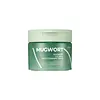
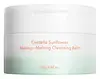
Isntree Mugwort Calming Deep Cleansing Balm Versus Haruharu Wonder Centella Sunflower Makeup-Melting Cleansing Balm
This oil-based makeup remover is made to dissolve makeup, sunscreen, and daily buildup.
This oil-based makeup remover is made to dissolve makeup, sunscreen, and daily buildup.

What's inside
What's inside
 Key Ingredients
Benefits
Concerns
Ingredients Side-by-side
Cetyl Ethylhexanoate
EmollientCaprylic/Capric Triglyceride
Masking


Ethylhexyl Palmitate
Emollient




PEG-20 Glyceryl Triisostearate
Emollient
Synthetic Wax
Abrasive
PEG-10 Isostearate
Emulsifying
Sorbitan Sesquioleate
Emulsifying
CI 77288
Cosmetic ColorantCaprylyl Glycol
Emollient
CI 77499
Cosmetic ColorantJuglans Regia Seed Oil
Skin Conditioning
Helianthus Annuus Seed Oil
Emollient
Vitis Vinifera Seed Oil
Emollient
Indigofera Tinctoria Extract
MaskingEthylhexylglycerin
Skin ConditioningPrunus Amygdalus Dulcis Oil
Skin Conditioning
Oenothera Biennis Oil
Emollient
Simmondsia Chinensis Seed Oil
Emollient
Artemisia Princeps Leaf Water
MaskingWater
Skin ConditioningButylene Glycol
Humectant
Phytosterols
Skin Conditioning
Panthenol
Skin Conditioning
Melaleuca Alternifolia Leaf Oil
Antioxidant





Capryloyl Salicylic Acid
Exfoliating

Citric Acid
Buffering

Salicylic Acid
Masking



Artemisia Vulgaris Oil
Perfuming
Gluconolactone
Chelating

Artemisia Argyi Leaf Extract
Skin Conditioning1,2-Hexanediol
Skin Conditioning
Sodium Hyaluronate
Humectant
Hydrolyzed Hyaluronic Acid
Humectant
Sodium Acetylated Hyaluronate
Humectant
Cetyl Ethylhexanoate, Caprylic/Capric Triglyceride, Ethylhexyl Palmitate, PEG-20 Glyceryl Triisostearate, Synthetic Wax, PEG-10 Isostearate, Sorbitan Sesquioleate, CI 77288, Caprylyl Glycol, CI 77499, Juglans Regia Seed Oil, Helianthus Annuus Seed Oil, Vitis Vinifera Seed Oil, Indigofera Tinctoria Extract, Ethylhexylglycerin, Prunus Amygdalus Dulcis Oil, Oenothera Biennis Oil, Simmondsia Chinensis Seed Oil, Artemisia Princeps Leaf Water, Water, Butylene Glycol, Phytosterols, Panthenol, Melaleuca Alternifolia Leaf Oil, Capryloyl Salicylic Acid, Citric Acid, Salicylic Acid, Artemisia Vulgaris Oil, Gluconolactone, Artemisia Argyi Leaf Extract, 1,2-Hexanediol, Sodium Hyaluronate, Hydrolyzed Hyaluronic Acid, Sodium Acetylated Hyaluronate
Cetyl Ethylhexanoate
EmollientPEG-20 Glyceryl Triisostearate
Emollient
Synthetic Wax
Abrasive
Helianthus Annuus Seed Oil Unsaponifiables
Emollient
Argania Spinosa Kernel Oil
Emollient
Butyrospermum Parkii Butter
Skin Conditioning
Simmondsia Chinensis Seed Oil
Emollient
Squalane
Emollient
Olea Europaea Fruit Oil
Masking
1,2-Hexanediol
Skin Conditioning
Water
Skin ConditioningPanthenol
Skin Conditioning
Butylene Glycol
Humectant
Propanediol
Solvent
Centella Asiatica Extract
Cleansing
Melaleuca Alternifolia Flower/Leaf/Stem Extract
Skin ConditioningCalendula Officinalis Flower Extract
Masking
Ethylhexylglycerin
Skin ConditioningCetyl Ethylhexanoate, PEG-20 Glyceryl Triisostearate, Synthetic Wax, Helianthus Annuus Seed Oil Unsaponifiables, Argania Spinosa Kernel Oil, Butyrospermum Parkii Butter, Simmondsia Chinensis Seed Oil, Squalane, Olea Europaea Fruit Oil, 1,2-Hexanediol, Water, Panthenol, Butylene Glycol, Propanediol, Centella Asiatica Extract, Melaleuca Alternifolia Flower/Leaf/Stem Extract, Calendula Officinalis Flower Extract, Ethylhexylglycerin
Reviews
Ingredients Explained
These ingredients are found in both products.
Ingredients higher up in an ingredient list are typically present in a larger amount.
1,2-Hexanediol is a synthetic liquid and another multi-functional powerhouse.
It is a:
- Humectant, drawing moisture into the skin
- Emollient, helping to soften skin
- Solvent, dispersing and stabilizing formulas
- Preservative booster, enhancing the antimicrobial activity of other preservatives
Butylene Glycol (or BG) is used within cosmetic products for a few different reasons:
Overall, Butylene Glycol is a safe and well-rounded ingredient that works well with other ingredients.
Though this ingredient works well with most skin types, some people with sensitive skin may experience a reaction such as allergic rashes, closed comedones, or itchiness.
Learn more about Butylene GlycolCetyl Ethylhexanoate is an emollient ester. It comes from cetearyl alcohol and 2-ethylhexanoic acid.
Cetyl Ethylhexanoate is an emollient that adds a velvety feel to skin without being greasy or oily. Emollients help trap moisture into your skin, keeping your skin soft and hydrated.
Ethylhexylglycerin is created from glycerin. It is a multitasker ingredient that:
The CIR Expert Panel found minimal skin absorption or sensitization of any kind in a safety assessment. Though this ingredient is considered well-tolerated, a small number of cases of allergic dermatitis have been published since 2002. Just be sure to patch test if you are unsure.
Industry-reported use ranges from 8% in rinse-off products and 2% in leave-on formulations.
Learn more about EthylhexylglycerinPanthenol is a common ingredient that helps hydrate and soothe the skin. It is found naturally in our skin and hair.
There are two forms of panthenol: D and L.
D-panthenol is also known as dexpanthenol. Most cosmetics use dexpanthenol or a mixture of D and L-panthenol.
Panthenol is famous due to its ability to go deeper into the skin's layers. Using this ingredient has numerous pros (and no cons):
Like hyaluronic acid, panthenol is a humectant. Humectants are able to bind and hold large amounts of water to keep skin hydrated.
This ingredient works well for wound healing. It works by increasing tissue in the wound and helps close open wounds.
Once oxidized, panthenol converts to pantothenic acid. Panthothenic acid is found in all living cells.
This ingredient is also referred to as pro-vitamin B5.
Learn more about PanthenolPEG-20 Glyceryl Triisostearate is a synthetic, oil-loving helper ingredient that does two jobs:
This ingredient is made by joining three building blocks: PEG, Isostearic Acid and glycerin. The PEG gives it the oil-and-water blending power.
This ingredient has been found safe for use in cosmetics and broader PEG family testing shows minimal irritation/sensitization. The molecule's large size also means it isn't expected to penetrate skin to any meaningful degree.
Fungal acne note: This ingredient may not be fungal acne safe due to isostearic acid (C18). Isostearic acid falls into the C11-24 range that Malassezia can feed on.
Learn more about PEG-20 Glyceryl TriisostearateJojoba oil is one of the most well-studied plant-derived ingredients in cosmetics. It is an emollient with a special structure.
Because it is made up of 97-98% wax esters, it closely mirrors the linear monoesters found in human sebum. This makes it skin compatible, non-greasy, and lightweight.
Unlike other plant oils, jojoba wax doesn't easily penetrate skin. It mostly works in the uppermost layers as an emollient. This just means it forms a light barrier on the skin to help retain moisture.
Formulations with jojoba esters up to 90% reduced transepidermal water loss (TEWL) and increased barrier recovery by 81% (outperforming bisabolol at 47%).
Besides barrier support, the science also suggests jojoba to have anti-inflammatory effects and potential applications for skin infections, aging, and wound healing.
Fun fact: Indigenous cultures have used jojoba as a moisturizer and to help treat burns for centuries.
Fungal acne: The Malassezia yeast is known to metabolize fatty acids in the C11-24 range and jojoba's dominant fatty acid components fall into this range. This ingredient may not be fungal acne safe.
Learn more about Simmondsia Chinensis Seed OilSynthetic Wax is a manufactured hydrocarbon wax. In formulas, it works as an occlusive emollient that helps reduce water loss and improves the spreadability of products.
Research comparing synthetic wax to traditional mineral-derived products found that formulas containing it perform as well for skin hydration.
It is considered non-comedogenic and vegan-friendly.
This ingredient has a well-established safety record by the CIR Expert Panel for Cosmetic Ingredient Safety.
Synthetic Waxes are straight/branched-chain hydrocarbons with no ester bond or fatty acids. That means there is nothing for the Malassezia yeast to feed on.
Learn more about Synthetic WaxWater. It's the most common cosmetic ingredient of all. You'll usually see it at the top of ingredient lists, meaning that it makes up the largest part of the product.
So why is it so popular? Water most often acts as a solvent - this means that it helps dissolve other ingredients into the formulation.
You'll also recognize water as that liquid we all need to stay alive. If you see this, drink a glass of water. Remember to stay hydrated!
Learn more about Water

