

What's inside
What's inside
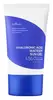 Key Ingredients
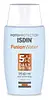
Benefits
Concerns
Ingredients Side-by-side
Water
Skin ConditioningButylene Glycol
Humectant

Ethylhexyl Salicylate
UV Absorber

Homosalate
Skin Conditioning
Dibutyl Adipate
EmollientNiacinamide
Smoothing










Bis-Ethylhexyloxyphenol Methoxyphenyl Triazine
Skin Conditioning
Cyclopentasiloxane
Emollient
Methylene Bis-Benzotriazolyl Tetramethylbutylphenol
UV Filter
Polysilicone-15
UV Filter
Diethylamino Hydroxybenzoyl Hexyl Benzoate
UV Filter
1,2-Hexanediol
Skin Conditioning
Pentylene Glycol
Skin Conditioning
Pinus Pinaster Bark Extract
Antioxidant
Ceramide NP
Skin Conditioning
Centella Asiatica Extract
Cleansing
Glycerin
Humectant
Portulaca Oleracea Extract
Skin Conditioning
Houttuynia Cordata Extract
Skin Conditioning
Olea Europaea Fruit Oil
Masking


Ficus Carica Fruit Extract
Humectant
Sodium Hyaluronate
Humectant
Ceteth-10
EmulsifyingHydrogenated Lecithin
Emulsifying
Decyl Glucoside
Cleansing
Propanediol
Solvent
Tocopherol
Antioxidant
Astaxanthin
Skin Conditioning
Hyaluronic Acid
Humectant
Sodium Hyaluronate Crosspolymer
Humectant
Ascorbyl Propyl Hyaluronate
Skin Conditioning
Hydrolyzed Hyaluronic Acid
Humectant
Hydroxypropyltrimonium Hyaluronate
Acrylates/C10-30 Alkyl Acrylate Crosspolymer
Emulsion StabilisingSodium Acetylated Hyaluronate
Humectant
Hydrolyzed Sodium Hyaluronate
Skin Conditioning
Adenosine
Skin Conditioning
Xanthan Gum
EmulsifyingCetyl PEG/PPG-10/1 Dimethicone
Emulsifying
Tromethamine
BufferingCarbomer
Emulsion StabilisingPropylene Glycol
Humectant

Ethylhexylglycerin
Skin ConditioningWater, Butylene Glycol, Ethylhexyl Salicylate, Homosalate, Dibutyl Adipate, Niacinamide, Bis-Ethylhexyloxyphenol Methoxyphenyl Triazine, Cyclopentasiloxane, Methylene Bis-Benzotriazolyl Tetramethylbutylphenol, Polysilicone-15, Diethylamino Hydroxybenzoyl Hexyl Benzoate, 1,2-Hexanediol, Pentylene Glycol, Pinus Pinaster Bark Extract, Ceramide NP, Centella Asiatica Extract, Glycerin, Portulaca Oleracea Extract, Houttuynia Cordata Extract, Olea Europaea Fruit Oil, Ficus Carica Fruit Extract, Sodium Hyaluronate, Ceteth-10, Hydrogenated Lecithin, Decyl Glucoside, Propanediol, Tocopherol, Astaxanthin, Hyaluronic Acid, Sodium Hyaluronate Crosspolymer, Ascorbyl Propyl Hyaluronate, Hydrolyzed Hyaluronic Acid, Hydroxypropyltrimonium Hyaluronate, Acrylates/C10-30 Alkyl Acrylate Crosspolymer, Sodium Acetylated Hyaluronate, Hydrolyzed Sodium Hyaluronate, Adenosine, Xanthan Gum, Cetyl PEG/PPG-10/1 Dimethicone, Tromethamine, Carbomer, Propylene Glycol, Ethylhexylglycerin
Water
Skin ConditioningOctocrylene
UV Absorber
Ethylhexyl Salicylate
UV Absorber
Propanediol
Solvent
Butyl Methoxydibenzoylmethane
UV Absorber
Polymethyl Methacrylate
Dimethicone
Emollient
Phenylbenzimidazole Sulfonic Acid
UV Absorber
Polysilicone-15
UV Filter
Propylene Glycol Dicaprylate/Dicaprate
EmollientTromethamine
BufferingBis-Ethylhexyloxyphenol Methoxyphenyl Triazine
Skin Conditioning
Silica
Abrasive
Dimethicone/Vinyl Dimethicone Crosspolymer
Skin Conditioning
1,2-Hexanediol
Skin Conditioning
Polysorbate 60
Emulsifying
PEG-10 Dimethicone
Skin Conditioning
Sodium Hyaluronate
Humectant
Tocopheryl Acetate
Antioxidant
Xanthan Gum
EmulsifyingCaprylyl Glycol
Emollient
Parfum
Masking
Disodium EDTA
PEG-8
HumectantTocopherol
Antioxidant
Tropolone
Skin ConditioningAscorbyl Palmitate
Antioxidant
Ascorbic Acid
Antioxidant
Citric Acid
Buffering
Water, Octocrylene, Ethylhexyl Salicylate, Propanediol, Butyl Methoxydibenzoylmethane, Polymethyl Methacrylate, Dimethicone, Phenylbenzimidazole Sulfonic Acid, Polysilicone-15, Propylene Glycol Dicaprylate/Dicaprate, Tromethamine, Bis-Ethylhexyloxyphenol Methoxyphenyl Triazine, Silica, Dimethicone/Vinyl Dimethicone Crosspolymer, 1,2-Hexanediol, Polysorbate 60, PEG-10 Dimethicone, Sodium Hyaluronate, Tocopheryl Acetate, Xanthan Gum, Caprylyl Glycol, Parfum, Disodium EDTA, PEG-8, Tocopherol, Tropolone, Ascorbyl Palmitate, Ascorbic Acid, Citric Acid
Reviews
Ingredients Explained
These ingredients are found in both products.
Ingredients higher up in an ingredient list are typically present in a larger amount.
1,2-Hexanediol is a synthetic liquid and another multi-functional powerhouse.
It is a:
- Humectant, drawing moisture into the skin
- Emollient, helping to soften skin
- Solvent, dispersing and stabilizing formulas
- Preservative booster, enhancing the antimicrobial activity of other preservatives
You might know this ingredient as Tinosorb S or Bemotrizinol. It is a UV filter that covers both UVA and UVB rays.
This ingredient has two peak UV absorption peaks ( 310 and 340 nm) and is able to absorb both UV-A and UV-B rays. This ingredient works by preventing UV rays from reaching and damaging your skin.
On top of that - it is highly photostable and helps prevent the photodegration of other sunscreen ingredients such as avobenzone.
Tinosorb S is allowed in the EU, Australia, and Asia. It is close to being approved by the FDA and we'll hopefully get this ingredient in the U.S. by late 2026.
Fun fact: Tinosorb S is the most effective UV absorber at maximum concentration (measured by SPF) permitted in the EU.
This ingredient is oil-soluble, so your oil-cleansers will take this right off at night.
Learn more about Bis-Ethylhexyloxyphenol Methoxyphenyl TriazineEthylhexyl Salicylate is an organic compound used to block UV rays. It primarily absorbs UVB rays but offers a small amount of UVA protection as well.
Commonly found in sunscreens, Ethylhexyl Salicylate is created from salicylic acid and 2-ethylhexanol. You might know salicylic acid as the effective acne fighter ingredient and BHA.
The ethylhexanol in this ingredient is a fatty alcohol and helps hydrate your skin, similar to oils. It is an emollient, which means it traps moisture into the skin.
According to manufacturers, Ethylhexyl Salicylate absorbs UV wavelength of 295-315 nm, with a peak absorption at 307-310 nm. UVA rays are linked to long term skin damage, such as hyperpigmentation. UVB rays emit more energy and are capable of damaging our DNA. UVB rays cause sunburn.
Learn more about Ethylhexyl SalicylatePolysilicone-15 is a chemical UV filter that absorbs UV-B rays.
It is a photostable ingredient used to boost SPF factor and protect products from UV-induced deterioration.
This ingredient is not water-soluble.
Learn more about Polysilicone-15Propanediol is an all-star ingredient. It softens, hydrates, and smooths the skin.
It’s often used to:
Propanediol is not likely to cause sensitivity and considered safe to use. It is derived from corn or petroleum with a clear color and no scent.
Learn more about PropanediolSodium Hyaluronate is the salt form of hyaluronic acid. It is a long sugar chain that is naturally found in your skin, joints, and connective tissue that maintains hydration and elasticity.
In skincare, it works as a humectant. It pulls water from the environment and deeper layers of skin and binds it to the surface.
Interestingly, the size of the molecule affects its behavior:
Some clinical evidence links low molecular weight versions to improved wrinkle depth, elasticity, anti-inflammatory effects, and barrier repair.
Many serums use a blend of both weights so you can get surface hydration plus longer-lasting and deeper effects.
You'll typically see concentrations between 0.1-2% for this ingredient.
Learn more about Sodium HyaluronateTocopherol is a fat-soluble antioxidant known as Vitamin E.
You'll find this ingredient in the vast majority of skincare (for good reason). It works to neutralize free radicals, or unstable molecules generated by UV exposure, pollution, and other environmental stressors, before they can cause oxidative damage to your skin cells.
Topically applied tocopherol has been shown to protect against UV damage by ramping up the skin's own natural defense enzymes.
It also acts as a skin conditioning agent; some studies show that regular topical use can improve the skin's water-binding capacity over 2-4 weeks.
This ingredient is especially loved for being a team player. When combined with Vitamin C, the photoprotective effect of both ingredients roughly doubles and the combo also helps reduce UV-induced DNA damage.
This ingredient has some brightening potential but it's more of a prevention ingredient than spot-fader. Cell studies show it can slow down melanin production but it's worth noting that it's not the most powerful brightener out there.
In formulations, it also serves as a stabilizer that helps protect other oxidation-prone ingredients from degrading.
Concentrations usually range from 0.1-1% in most leave-on products.
Learn more about TocopherolTromethamine helps balance the pH and improve the texture of a product. It is synthetically created.
As an emulsifier, Tromethamine prevents oil and water ingredients from separating. This helps stabilize the product and elongate a product's shelf life. Tromethamine also makes a product thicker.
Tromethamine helps balance the pH level of a product. Normal pH level of skin is slightly acidic (~4.75-5.5). The acidity of our skin is maintained by our glands and skin biome. Being slightly acidic allows our skin to create an "acid mantle". This acid mantle is a thin barrier that protects our skin from bacteria and contaminants.
Oral Tromethanmine is an anti-inflammatory drug but plays the role of masking, adding fragrance, and/or balancing pH in skincare.
1,3-Propanediol, 2-amino-2-(hydroxymethyl)-
Learn more about TromethamineWater. It's the most common cosmetic ingredient of all. You'll usually see it at the top of ingredient lists, meaning that it makes up the largest part of the product.
So why is it so popular? Water most often acts as a solvent - this means that it helps dissolve other ingredients into the formulation.
You'll also recognize water as that liquid we all need to stay alive. If you see this, drink a glass of water. Remember to stay hydrated!
Learn more about WaterXanthan gum is used as a stabilizer and thickener within cosmetic products. It helps give products a sticky, thick feeling - preventing them from being too runny.
On the technical side of things, xanthan gum is a polysaccharide - a combination consisting of multiple sugar molecules bonded together.
Xanthan gum is a pretty common and great ingredient. It is a natural, non-toxic, non-irritating ingredient that is also commonly used in food products.
Learn more about Xanthan Gum
