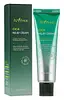
This calming moisturizer is formulated around Centella Asiatica Extract and Asiaticoside to calm redness and strengthen the skin barrier.
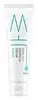
This barrier-repair moisturizer is formulated around Aloe Barbadensis Leaf Extract and Asiaticoside to strengthen the skin barrier and calm redness.

What's inside
What's inside
 Key Ingredients
Benefits
Concerns
Ingredients Side-by-side
Water
Skin ConditioningCentella Asiatica Extract
Cleansing





Dipropylene Glycol
HumectantCaprylic/Capric Triglyceride
Masking

Glycerin
Humectant
Hydrogenated Polydecene
EmollientCetearyl Alcohol
Emollient





Beeswax
Emulsion Stabilising
Coco-Caprylate/Caprate
Emollient
1,2-Hexanediol
Skin Conditioning
Cetearyl Olivate
Glyceryl Stearate
Emollient
Leontopodium Alpinum Callus Culture Extract
Antioxidant
Melia Azadirachta Leaf Extract
Skin ConditioningMelia Azadirachta Flower Extract
Skin ConditioningCoccinia Indica Fruit Extract
Skin Conditioning
Amber Powder
Solanum Melongena Fruit Extract
Skin ConditioningCurcuma Longa Root Extract
Antioxidant
Ocimum Sanctum Leaf Extract
Skin ConditioningCorallina Officinalis Extract
Skin Conditioning
Hydrogenated Lecithin
Emulsifying
Glyceryl Caprylate
EmollientMoringa Oleifera Seed Oil
Emollient
Asiaticoside
Antioxidant
Sh-Oligopeptide-1
Skin Conditioning
Acetyl Hexapeptide-8
Humectant
Palmitoyl Tripeptide-1
Skin Conditioning
Copper Tripeptide-1
Skin Conditioning
Phosphatidylcholine
EmulsifyingPanthenol
Skin Conditioning
Allantoin
Skin Conditioning
Palmitic Acid
Emollient
Cetearyl Glucoside
Emulsifying
Hydroxyethyl Acrylate/Sodium Acryloyldimethyl Taurate Copolymer
Emulsion StabilisingAdenosine
Skin Conditioning
Xanthan Gum
EmulsifyingC12-16 Alcohols
EmollientMicrocrystalline Cellulose
AbsorbentCellulose Gum
Emulsion StabilisingDextrin
AbsorbentSorbitan Olivate
Emulsifying
Butylene Glycol
Humectant
Ethylhexylglycerin
Skin ConditioningWater, Centella Asiatica Extract, Dipropylene Glycol, Caprylic/Capric Triglyceride, Glycerin, Hydrogenated Polydecene, Cetearyl Alcohol, Beeswax, Coco-Caprylate/Caprate, 1,2-Hexanediol, Cetearyl Olivate, Glyceryl Stearate, Leontopodium Alpinum Callus Culture Extract, Melia Azadirachta Leaf Extract, Melia Azadirachta Flower Extract, Coccinia Indica Fruit Extract, Amber Powder, Solanum Melongena Fruit Extract, Curcuma Longa Root Extract, Ocimum Sanctum Leaf Extract, Corallina Officinalis Extract, Hydrogenated Lecithin, Glyceryl Caprylate, Moringa Oleifera Seed Oil, Asiaticoside, Sh-Oligopeptide-1, Acetyl Hexapeptide-8, Palmitoyl Tripeptide-1, Copper Tripeptide-1, Phosphatidylcholine, Panthenol, Allantoin, Palmitic Acid, Cetearyl Glucoside, Hydroxyethyl Acrylate/Sodium Acryloyldimethyl Taurate Copolymer, Adenosine, Xanthan Gum, C12-16 Alcohols, Microcrystalline Cellulose, Cellulose Gum, Dextrin, Sorbitan Olivate, Butylene Glycol, Ethylhexylglycerin
Anisaldehyde
Masking
Aloe Barbadensis Leaf Extract
Emollient
Dimethicone
Emollient
Glycerin
Humectant
Butylene Glycol
Humectant
1,2-Hexanediol
Skin Conditioning
Alcohol Denat.
Antimicrobial


Hydrogenated Polyisobutene
EmollientCyclopentasiloxane
Emollient
Dimethicone/Vinyl Dimethicone Crosspolymer
Skin Conditioning
Sorbitan Stearate
Emulsifying
Polysorbate 20
Emulsifying
Sorbitan Fatty Acid Ester
EmulsifyingGlyceryl Stearate
Emollient
Hyaluronic Acid
Humectant
Salix Alba Bark Extract
Astringent

Lactobacillus
Skin ConditioningMalt Extract
Skin ProtectingOriganum Vulgare Leaf Extract
Skin ConditioningBeer Extract
Skin ConditioningGold
Cosmetic ColorantPinus Pinaster Leaf Extract
Skin ConditioningMentha Piperita Leaf Extract
Skin ConditioningEthylhexylglycerin
Skin ConditioningAsiaticoside
Antioxidant
Soy Acid
EmollientArachidic Acid
Cleansing
Anisaldehyde, Aloe Barbadensis Leaf Extract, Dimethicone, Glycerin, Butylene Glycol, 1,2-Hexanediol, Alcohol Denat., Hydrogenated Polyisobutene, Cyclopentasiloxane, Dimethicone/Vinyl Dimethicone Crosspolymer, Sorbitan Stearate, Polysorbate 20, Sorbitan Fatty Acid Ester, Glyceryl Stearate, Hyaluronic Acid, Salix Alba Bark Extract, Lactobacillus, Malt Extract, Origanum Vulgare Leaf Extract, Beer Extract, Gold, Pinus Pinaster Leaf Extract, Mentha Piperita Leaf Extract, Ethylhexylglycerin, Asiaticoside, Soy Acid, Arachidic Acid
Ingredients Explained
These ingredients are found in both products.
Ingredients higher up in an ingredient list are typically present in a larger amount.
1,2-Hexanediol is a synthetic liquid and another multi-functional powerhouse.
It is a:
- Humectant, drawing moisture into the skin
- Emollient, helping to soften skin
- Solvent, dispersing and stabilizing formulas
- Preservative booster, enhancing the antimicrobial activity of other preservatives
Asiaticoside comes from the super popular skin-soothing ingredient, Centella asiatica. It's the reason centella-based products have a strong reputation for repairing and calming skin, along with its sibling compound Madecassoside.
Research from 2016-2025 supports its role in:
You'll usually find this in concentrations between 0.2-5%.
Learn more about AsiaticosideButylene Glycol (or BG) is used within cosmetic products for a few different reasons:
Overall, Butylene Glycol is a safe and well-rounded ingredient that works well with other ingredients.
Though this ingredient works well with most skin types, some people with sensitive skin may experience a reaction such as allergic rashes, closed comedones, or itchiness.
Learn more about Butylene GlycolEthylhexylglycerin is created from glycerin. It is a multitasker ingredient that:
The CIR Expert Panel found minimal skin absorption or sensitization of any kind in a safety assessment. Though this ingredient is considered well-tolerated, a small number of cases of allergic dermatitis have been published since 2002. Just be sure to patch test if you are unsure.
Industry-reported use ranges from 8% in rinse-off products and 2% in leave-on formulations.
Learn more about EthylhexylglycerinGlycerin (or glycerol) is a compound naturally found in your skin. It's a powerhouse humectant that pulls water into the stratum corneum.
Topically, glycerin does several things at once:
Your skin makes glycerin on its own (mostly from sebaceous oil breakdown) and shuttles it to your outermost layer of skin, or your epidermis, via aquaporin-3.
Aquaporin-3 is a transporter that is essential for normal skin hydration, elasticity, and repair. Interestingly, mice lacking in AQP3 have dry and less elastic skin that can be fully corrected with glycerin.
This ingredient is non-irritating, plays well with almost every ingredient, and works across all skin types. Typical use is anywhere between 3-10% but can go up to 79% in some leave-on products.
Just know very high concentrations (>40%) can feel tacky in low humidity.
Glycerin is the name for this ingredient in American English. British English uses Glycerol/Glycerine.
Learn more about GlycerinGlyceryl Stearate is made by reacting glycerin with stearic acid (typically sourced from plant oils like palm or coconut). It's an emulsifier, emollient, and mild occlusive.
Emulsifiers help ingredients like oil and water stay mixed so your formula stays nicely blended and uniform in texture.
This ingredient is typically used in concentrations between 1-10%. Studies have found it to be non-sensitizing, non-phototoxic, and non-photoallergenic.
A close cousin of this ingredient is Glyceryl Stearate SE ("self-emulsifying"). This just has a small amount of sodium or potassium stearate added so it can emulsify without a co-emulsifier.
Since this ingredient is an ester of a C18 fatty acid, it may not be fungal acne safe. The Malassezia yeast can potentially metabolize within the C11-C24 range.
Fun fact: The human body also creates Glyceryl Stearate naturally.
Learn more about Glyceryl Stearate

