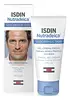
This oil-control treatment is formulated around Zinc PCA and Piroctone Olamine to balance excess oil and calm redness.
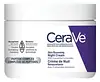
This barrier-repair night moisturizer is formulated around Ceramide NP and Niacinamide to strengthen the skin barrier and soften the look of wrinkles.


What's inside
What's inside
 Key Ingredients
Benefits
Concerns
Ingredients Side-by-side
Water
Skin ConditioningGlycerin
Humectant


Acetamide Mea
Foam BoostingIsodecyl Neopentanoate
EmollientCyclopentasiloxane
Emollient
Pentylene Glycol
Skin Conditioning
Cetyl Alcohol
Emollient



Cyclohexasiloxane
Emollient
Sclerotium Gum
Emulsion StabilisingZinc PCA
Humectant




Piroctone Olamine
Preservative
Polyacrylamide
Polymethyl Methacrylate
Butylene Glycol
Humectant
Stearyl Glycyrrhetinate
Skin ConditioningC13-14 Isoparaffin
Emollient
Glyceryl Stearate
Emollient
PEG-100 Stearate
Surfactant
Acrylates/C10-30 Alkyl Acrylate Crosspolymer
Emulsion StabilisingDimethicone/Vinyl Dimethicone Crosspolymer
Skin Conditioning
Sodium Hydroxide
BufferingLaureth-7
EmulsifyingBiosaccharide Gum-2
Skin ConditioningDisodium EDTA
ChelatingHydroxyphenyl Propamidobenzoic Acid
Skin ConditioningAscorbyl Palmitate
Antioxidant


Water, Glycerin, Acetamide Mea, Isodecyl Neopentanoate, Cyclopentasiloxane, Pentylene Glycol, Cetyl Alcohol, Cyclohexasiloxane, Sclerotium Gum, Zinc PCA, Piroctone Olamine, Polyacrylamide, Polymethyl Methacrylate, Butylene Glycol, Stearyl Glycyrrhetinate, C13-14 Isoparaffin, Glyceryl Stearate, PEG-100 Stearate, Acrylates/C10-30 Alkyl Acrylate Crosspolymer, Dimethicone/Vinyl Dimethicone Crosspolymer, Sodium Hydroxide, Laureth-7, Biosaccharide Gum-2, Disodium EDTA, Hydroxyphenyl Propamidobenzoic Acid, Ascorbyl Palmitate
Water
Skin ConditioningGlycerin
Humectant
Caprylic/Capric Triglyceride
Masking
Butyrospermum Parkii Butter
Skin Conditioning

Dimethicone/Vinyl Dimethicone Crosspolymer
Skin Conditioning
Cyclopentasiloxane
Emollient
Glyceryl Stearate Se
Emulsifying
Cetyl Alcohol
Emollient
Dimethicone
Emollient
Saccharide Isomerate
Humectant
Stearic Acid
Cleansing
Palmitic Acid
Emollient
Glycine Soja Sterols
Emollient
Allantoin
Skin Conditioning
Ceramide NP
Skin Conditioning

Ceramide AP
Skin Conditioning
Ceramide EOP
Skin Conditioning
Carbomer
Emulsion StabilisingNiacinamide
Smoothing


Cetearyl Alcohol
Emollient
Behentrimonium Methosulfate
SurfactantSodium Hydroxide
BufferingMyristic Acid
Cleansing
Sodium Lauroyl Lactylate
EmulsifyingSodium Benzoate
Masking
Sodium Citrate
BufferingSodium Hyaluronate
Humectant
Cholesterol
Emollient
Phenoxyethanol
Preservative
Tocopherol
Antioxidant
Tripeptide-1
Skin Conditioning
Laureth-9
EmulsifyingCitric Acid
Buffering
Caprooyl Tetrapeptide-3
Skin Protecting
Biosaccharide Gum-1
Humectant
Phytosphingosine
Skin Conditioning
Xanthan Gum
EmulsifyingDextran
Ethylhexylglycerin
Skin ConditioningButylene Glycol
Humectant
Water, Glycerin, Caprylic/Capric Triglyceride, Butyrospermum Parkii Butter, Dimethicone/Vinyl Dimethicone Crosspolymer, Cyclopentasiloxane, Glyceryl Stearate Se, Cetyl Alcohol, Dimethicone, Saccharide Isomerate, Stearic Acid, Palmitic Acid, Glycine Soja Sterols, Allantoin, Ceramide NP, Ceramide AP, Ceramide EOP, Carbomer, Niacinamide, Cetearyl Alcohol, Behentrimonium Methosulfate, Sodium Hydroxide, Myristic Acid, Sodium Lauroyl Lactylate, Sodium Benzoate, Sodium Citrate, Sodium Hyaluronate, Cholesterol, Phenoxyethanol, Tocopherol, Tripeptide-1, Laureth-9, Citric Acid, Caprooyl Tetrapeptide-3, Biosaccharide Gum-1, Phytosphingosine, Xanthan Gum, Dextran, Ethylhexylglycerin, Butylene Glycol
Reviews
Ingredients Explained
These ingredients are found in both products.
Ingredients higher up in an ingredient list are typically present in a larger amount.
Butylene Glycol (or BG) is used within cosmetic products for a few different reasons:
Overall, Butylene Glycol is a safe and well-rounded ingredient that works well with other ingredients.
Though this ingredient works well with most skin types, some people with sensitive skin may experience a reaction such as allergic rashes, closed comedones, or itchiness.
Learn more about Butylene GlycolCetyl Alcohol is a fatty alcohol. Fatty Alcohols are most often used as an emollient or to thicken a product.
Its main roles are:
Though it has "alcohol" in the name, it is not related to denatured alcohol or ethyl alcohol.
The FDA allows products labeled "alcohol-free" to have fatty alcohols.
This ingredient may not be fungal acne safe. It is a primary fatty alcohol with a chain length above 12 carbons. A study from 2019 show Malassezia can feed on fatty alcohols in this range, so it may trigger fungal acne in those prone to it.
Learn more about Cetyl AlcoholCyclopentasiloxane (D5) is a lightweight silicone that mostly acts as an emollient and solvent in cosmetics. Its the reason your products feel silky, fast-spreading, and non-greasy.
Since D5 is volatile, it does its thing and then evaporates off the skin quickly.
The safety profile of this ingredient is reassuring; the US CIR Expert Panel concluded D5 is safe as used in cosmetics and Health Canada concluded that D5 is not harmful to human health or the environment as currently used in cosmetics
There's a study that people mention about D5 in a rat study showing tumors. This study is related to long-term inhalation of high D5 levels.
Regulatory bodies have judged this study to be not applicable in topical skincare since skin absorption of D5 is very low and we're not really inhaling huge amounts of D5.
The only restriction for this ingredient is environmental. The European Chemicals Agency (ECHA) restricted D5 in wash-off cosmetics at or above 0.1% due to their persistence in water.
Learn more about CyclopentasiloxaneThis ingredient is a silicone elastomer that works as a texture enhancer, adds a silky slip, and also helps absorb excess oil.
Because it's a large macromolecule that's insoluble in water and chemically inert, it's not expected to penetrate or be absorbed into skin.
Human patch tests with a facial lotion containing 1% of this ingredient found no sensitization.
Learn more about Dimethicone/Vinyl Dimethicone CrosspolymerGlycerin (or glycerol) is a compound naturally found in your skin. It's a powerhouse humectant that pulls water into the stratum corneum.
Topically, glycerin does several things at once:
Your skin makes glycerin on its own (mostly from sebaceous oil breakdown) and shuttles it to your outermost layer of skin, or your epidermis, via aquaporin-3.
Aquaporin-3 is a transporter that is essential for normal skin hydration, elasticity, and repair. Interestingly, mice lacking in AQP3 have dry and less elastic skin that can be fully corrected with glycerin.
This ingredient is non-irritating, plays well with almost every ingredient, and works across all skin types. Typical use is anywhere between 3-10% but can go up to 79% in some leave-on products.
Just know very high concentrations (>40%) can feel tacky in low humidity.
Glycerin is the name for this ingredient in American English. British English uses Glycerol/Glycerine.
Learn more about GlycerinSodium Hydroxide is also known as lye or caustic soda. It is used to adjust the pH of products; many ingredients require a specific pH to be effective.
In small amounts, sodium hydroxide is considered safe to use. However, large amounts may cause chemical burns due to its high alkaline.
Your skin has a natural pH and acid mantle. This acid mantle helps prevent harmful bacteria from breaking through. The acid mantle also helps keep your skin hydrated.
"Alkaline" refers to a high pH level. A low pH level would be considered acidic.
Learn more about Sodium HydroxideWater. It's the most common cosmetic ingredient of all. You'll usually see it at the top of ingredient lists, meaning that it makes up the largest part of the product.
So why is it so popular? Water most often acts as a solvent - this means that it helps dissolve other ingredients into the formulation.
You'll also recognize water as that liquid we all need to stay alive. If you see this, drink a glass of water. Remember to stay hydrated!
Learn more about Water

